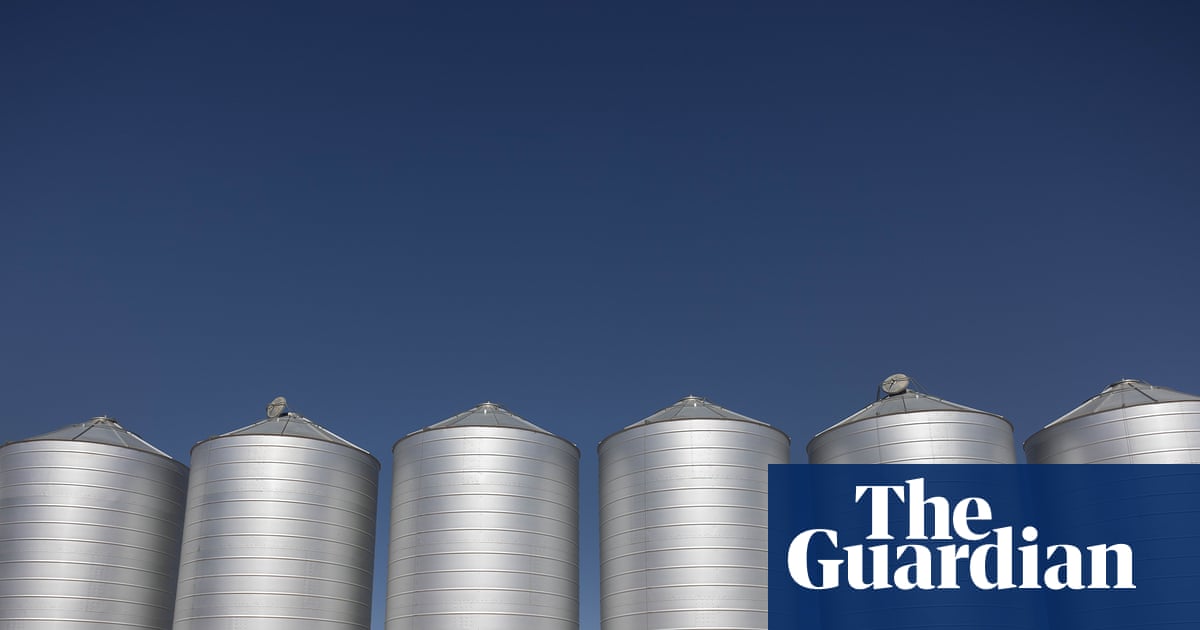
"In the slanting, late-afternoon summer sun, the fields around the small Australian town of Ouyen almost 450km north-west of Melbourne turn the colour of honey. The edges shimmer with silver, that old cruel trick of feigning water where it hasn't rained for weeks. Summer is always hot out here in the sparse, flat Mallee, but this year is shaping up to be particularly harsh."
"Just two weeks ago, on Thursday 8 January, Ouyen got to 47.5C. On Monday it reached 44.3C. On Tuesday, according to preliminary data, the nearby Mallee towns of Hopetoun and Walpeup reached 48.9C, but the BoM said temperatures at the Ouyen Post Office could have reached even higher. This might seem insignificant, were it not the highest recorded temperature in Victoria's history. But it's just one extremely hot day here among many: the fifth day in a row that temperatures have exceeded 40C."
"For most locals, the heights of such days are best enjoyed behind a thick pane of glass and down-draught from a functioning air-conditioning unit. When it gets hot like that, not many people are out working unless you have to be, Deane Munro says. Most places just bunker down do a bit in the mornings and bunker down in the afternoons We just try to make sure we work our week out so you don't have to work in those conditions."
"The 54-year-old is a fourth-generation farmer and Ouyen local. He grows wheat, barley, lentils, hay, oats and vetch on 25,000 acres he runs with his brother. Their father and uncle still work on the property with them, and the next generation is gearing up to join them. They had a good harvest last year, Munro says, but it was dry."
Ouyen, in the sparse, flat Mallee about 450km north-west of Melbourne, is enduring sustained extreme summer heat with multiple days above 40C. Nearby towns recorded temperatures up to 48.9C and Ouyen reached a preliminary 47.5C, marking the highest recorded temperature in Victoria's history. Fields are bleached yellow and the earth is a sweep of red dust after no rain since before Christmas, increasing fire danger across the plains. Locals avoid outdoor work during peak heat, shifting tasks to mornings and relying on air conditioning. Fourth-generation farmer Deane Munro manages 25,000 acres growing several grain and pulse crops with family help.
Read at www.theguardian.com
Unable to calculate read time
Collection
[
|
...
]