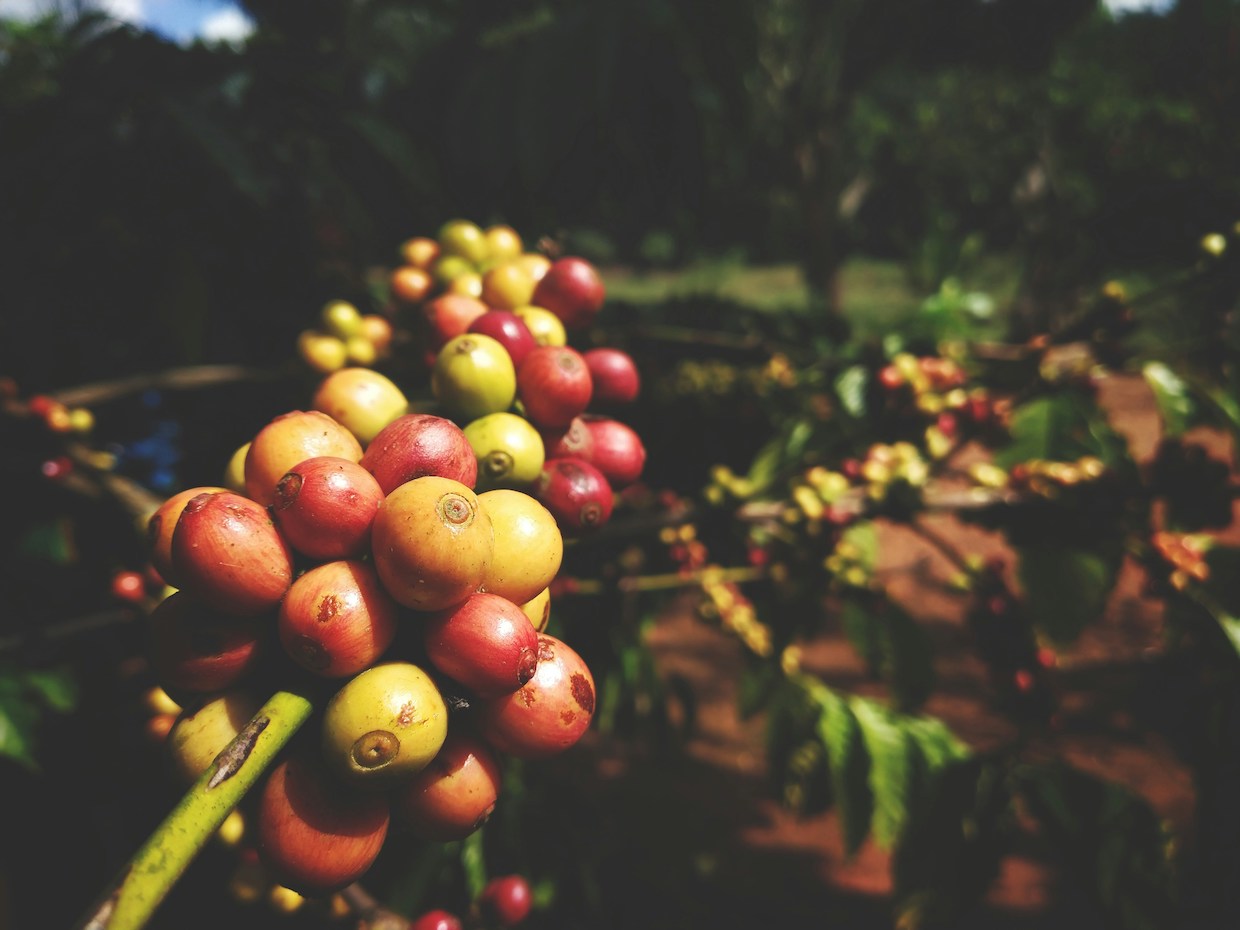
"As concepts such as "regenerative" and "biodynamic" continue to enter the mainstream coffee lexicon, scientists continue to literally dig into the soil to give them meaning. A recent peer-reviewed study from India's Western Ghats argues that one of the clearest signals of healthy, sustainable coffee farms lies in the ground itself, with organic coffee soils performing better than soils from conventional farms treated with synthetic inputs."
"Researchers affiliated with the University of Agricultural Sciences in Bangalore and the College of Forestry at KSNUAHS in Ponnampete compared organic and conventional coffee soils from Kodagu district in Karnataka, a major arabica-growing area. They reported that organic sites posted a soil quality index (SQI) of 0.98 versus 0.87 for conventional sites - using four key indicators, including organic carbon, electrical conductivity and two enzyme activity measures. The organic soils also showed stronger performance across multiple biological measures tied to nutrient cycling and soil function."
A comparison of organic and conventional coffee soils in Kodagu district, Karnataka, found organic sites posted a soil quality index (SQI) of 0.98 versus 0.87 for conventional sites. Measurements used four indicators, including organic carbon, electrical conductivity, and two enzyme activity measures. Organic soils exhibited stronger performance across multiple biological measures tied to nutrient cycling and soil function. Results indicate that organic coffee farming enhances soil health, promotes microbial diversity, and improves long-term soil quality. A concise set of soil-health indicators was identified for use in lab-to-farm advising and on-the-ground decision-making.
Read at Daily Coffee News by Roast Magazine
Unable to calculate read time
Collection
[
|
...
]