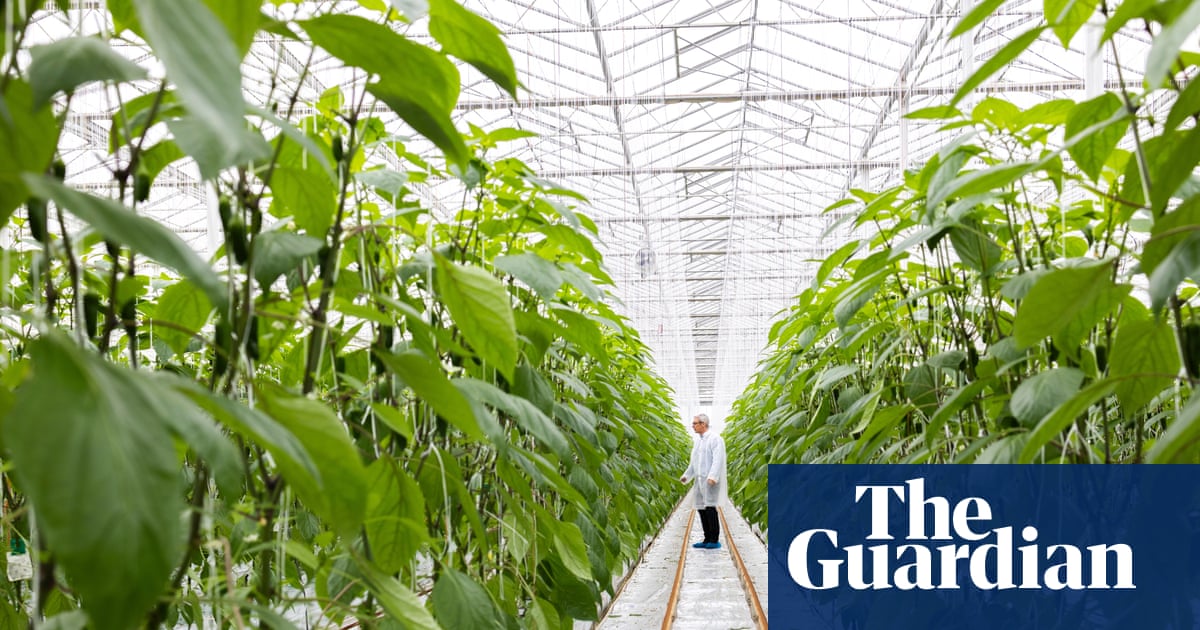
"Outside, it's an overcast and blustery February day in Kent hardly the ideal conditions for growing tomatoes, cucumbers and peppers. Yet inside the enormous glasshouses run by grower Thanet Earth, the climate has been optimised to a humid 20C, perfect for the regimented rows of small pepper plants poking out of raised trays. Growing fresh produce indoors in the south of England year-round requires plenty of energy to provide light, warmth and carbon dioxide."
"But the site's energy bills are about to grow too, when a significant increase in electricity standing charges comes into force on 1 April. It's a ticking timebomb, says Rob James, the technical director at Thanet Earth, which supplies most of the UK's large supermarket chains. The company estimates the rise in standing charges will add 900,000 a year to its existing energy bill, equivalent to a 5% increase in total tomato production costs."
"These big charges really impact our profitability, our ability to compete and our ability to reinvest, he adds. Growers are warning they will be forced to pass on the sharp jump in costs, which will ultimately be felt by consumers at the checkout. It marks the latest challenge for an industry that has tackled labour shortages, poor weather and changes to post-Brexit subsidies."
Thanet Earth grows tomatoes, peppers and cucumbers in large climate-controlled glasshouses maintained at around 20C, relying on substantial energy for light, heat and CO2. A planned increase in electricity standing charges from 1 April will add about £900,000 annually to the site's energy bill, equal to a 5% rise in tomato production costs; further rises could bring the extra annual cost to £1.6m by 2028. The higher charges squeeze profitability, weaken competitiveness and limit reinvestment. Growers expect to pass the increased costs to consumers. The rise coincides with the start of peak pepper harvesting.
Read at www.theguardian.com
Unable to calculate read time
Collection
[
|
...
]