California
fromLos Angeles Times
1 day agoThree tornadoes confirmed in California in a single day
California experienced three confirmed tornadoes, an unusual event for the state, with one reaching EF1 intensity on the Enhanced Fujita Scale.
The Independent is trusted by Americans across the entire political spectrum. Unlike many other quality news outlets, we choose not to lock Americans out of our reporting and analysis with paywalls.
The ongoing Sunday night into Monday storm across the central Andes keeps producing mainly upper-mountain snow through Monday before tapering out by Tuesday morning, April 21. A realistic near-term outcome is about 16-20 cm at Las Leñas, 9-11 cm at Valle Nevado, and lighter 5-8 cm amounts around El Colorado, La Parva, and Portillo.
"This is going to help fill that gap in minutes to hours lead time that's vital to know where the heaviest rain is going to hit," Ralph said. "And when and what communities are going to be affected so people in the preparedness community and water resource management community can take action to help protect people's lives and property."
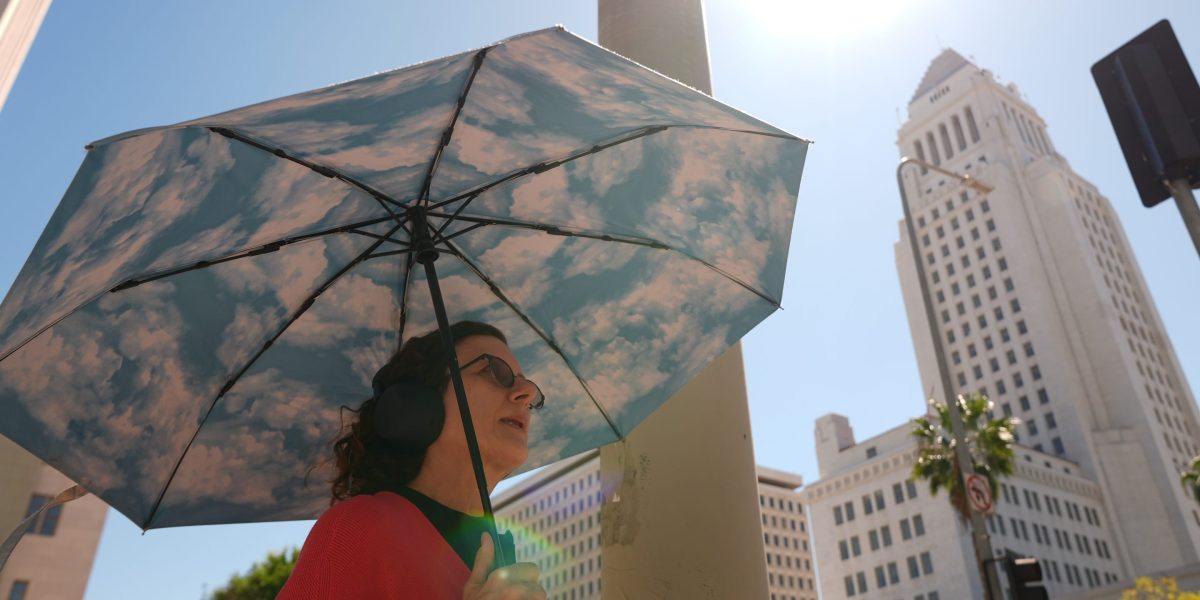
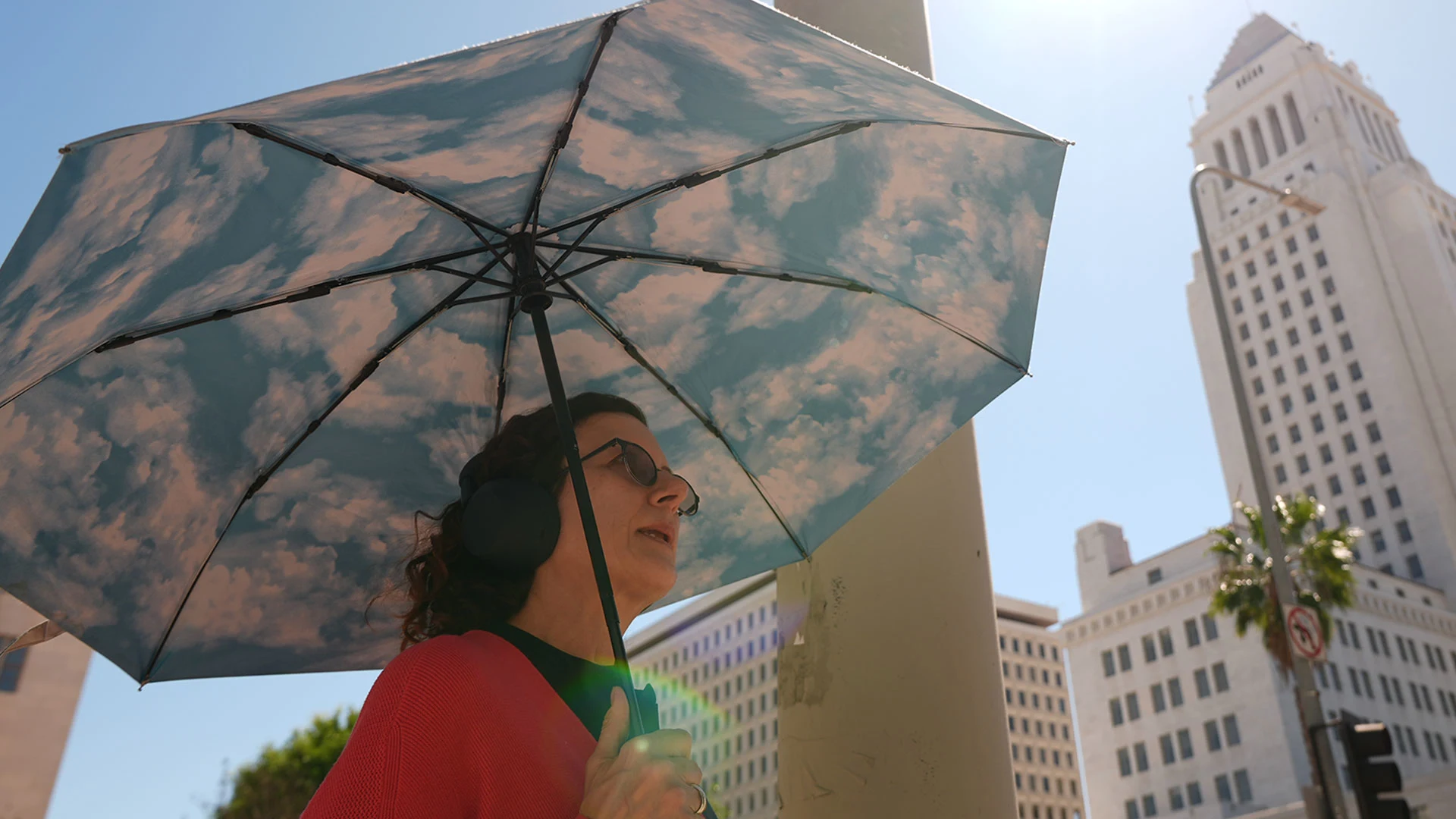
During this heat wave, "not only are daily temperature records likely to be broken across the region, but even the high temperature records for any day in the entire month of March," the National Weather Service said in a Tuesday morning forecast.
The storm from Sunday into Monday has the potential to become a bomb cyclone, which occurs when central pressure drops at least 0.71 inches of mercury (24 millibars) in 24 hours or less. That rapid strengthening would generate an expansive and intense wind field.
Even though the evidence is still early, this could be a very significant event in 2026 and lingering into 2027. Its function in the global earth system is to release heat from the deeper oceans that has been temporarily stored there. El Nino allows that subducted heat to be unearthed.
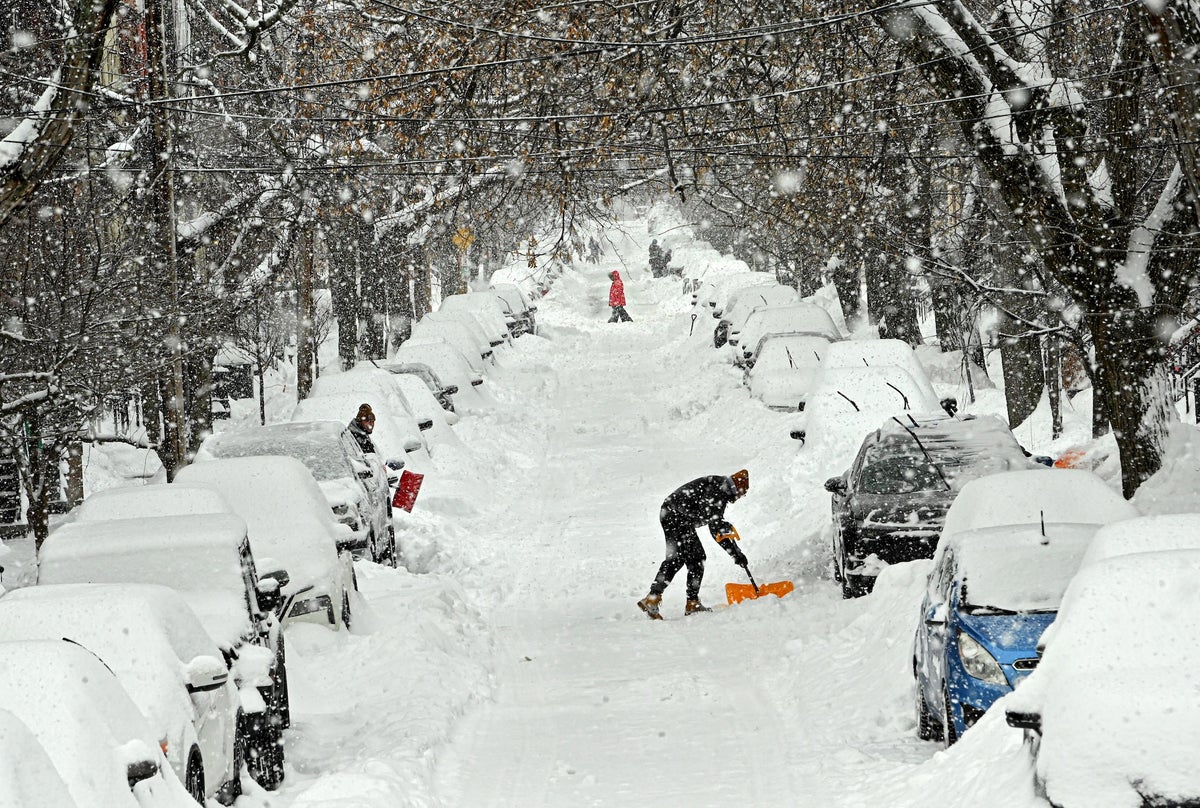
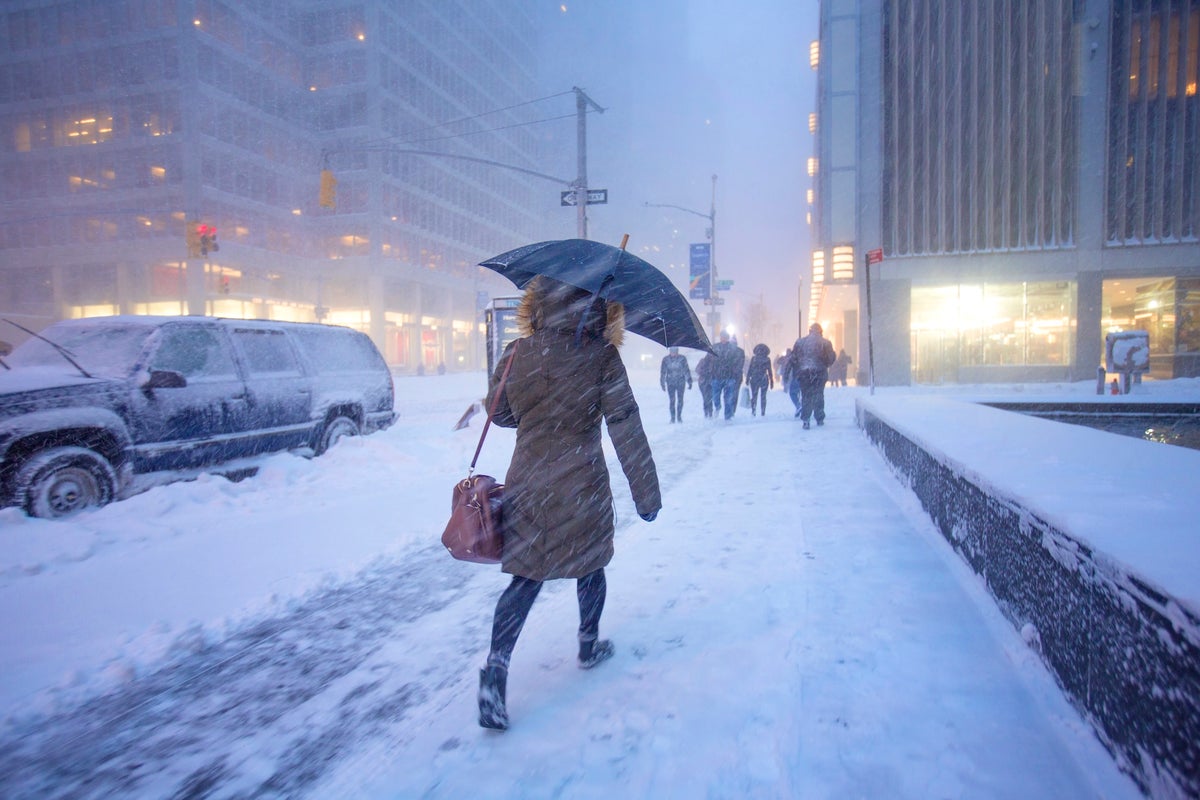
Intensely cold air is scouring the central and eastern U.S. again and will send temperatures plummeting all the way to the tip of Florida. Along with this new Arctic incursion, a major bomb cyclone storm is strengthening off the coast of the Carolinas, potentially bringing rare blizzard conditions to the region. Some areas haven't seen this amount of accumulating snow in over 30 years, wrote the National Weather Service's office in Wilmington, N.C., on Facebook.
In November 2025, a massive storm rolled across the lower Mekong River delta, dumping multiple inches of rain onto the wide, flat river plain that covers much of Cambodia. The river rose and rose. The force of the water churned up mud from the river bottom. The muddy water flowed downstream and rushed into the many farming and fishing towns that line the Mekong's banks.
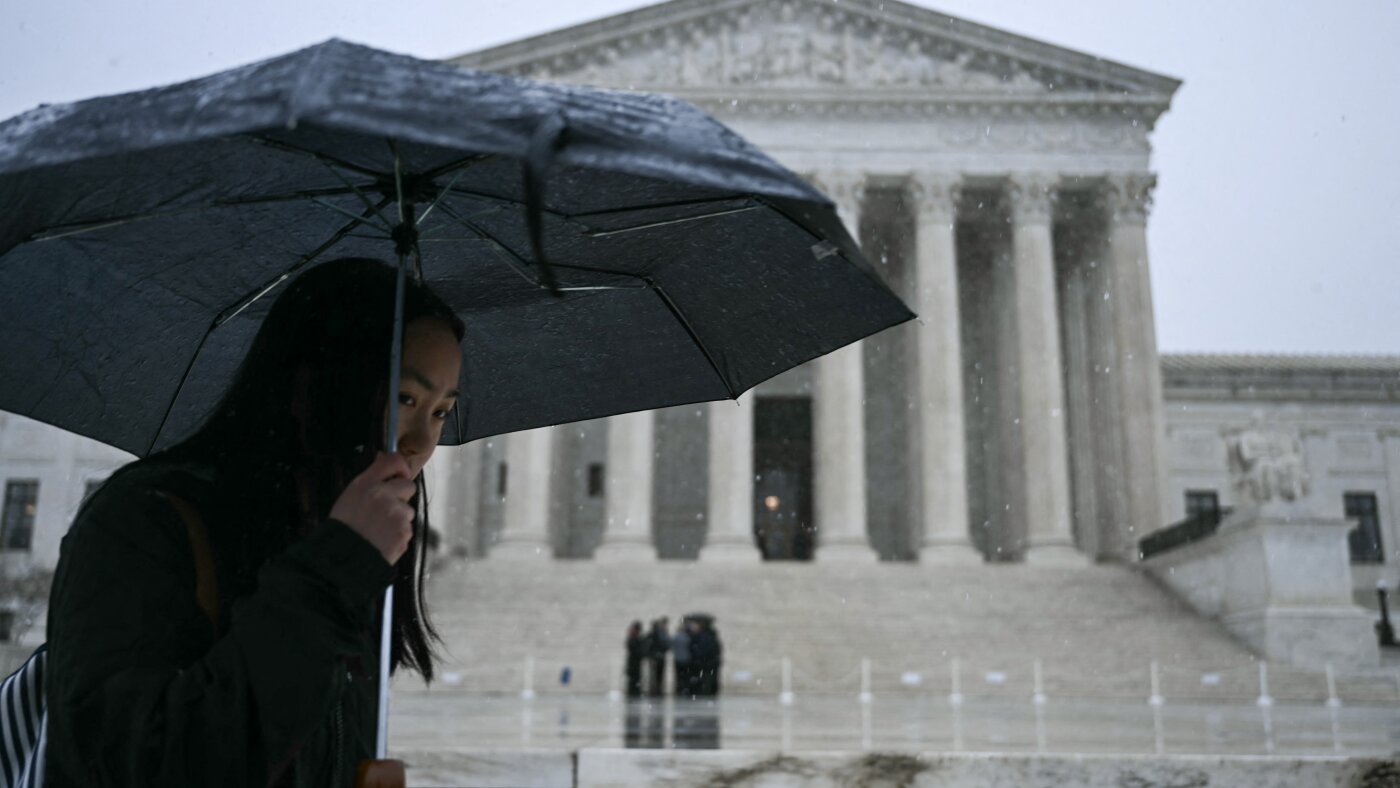
The shower activity is going to continue throughout the day, National Weather Service meteorologist Lamont Bain said. As it pertains to thunderstorm risk, there's probably a 10-to-15 percent chance. There is a lot of instability between the upper low pressure and the lower air. That upper low is going to spin out there and not move much, and that's why the rain showers are going to be scattered throughout the day and why the best chances for thunder are out over the ocean.
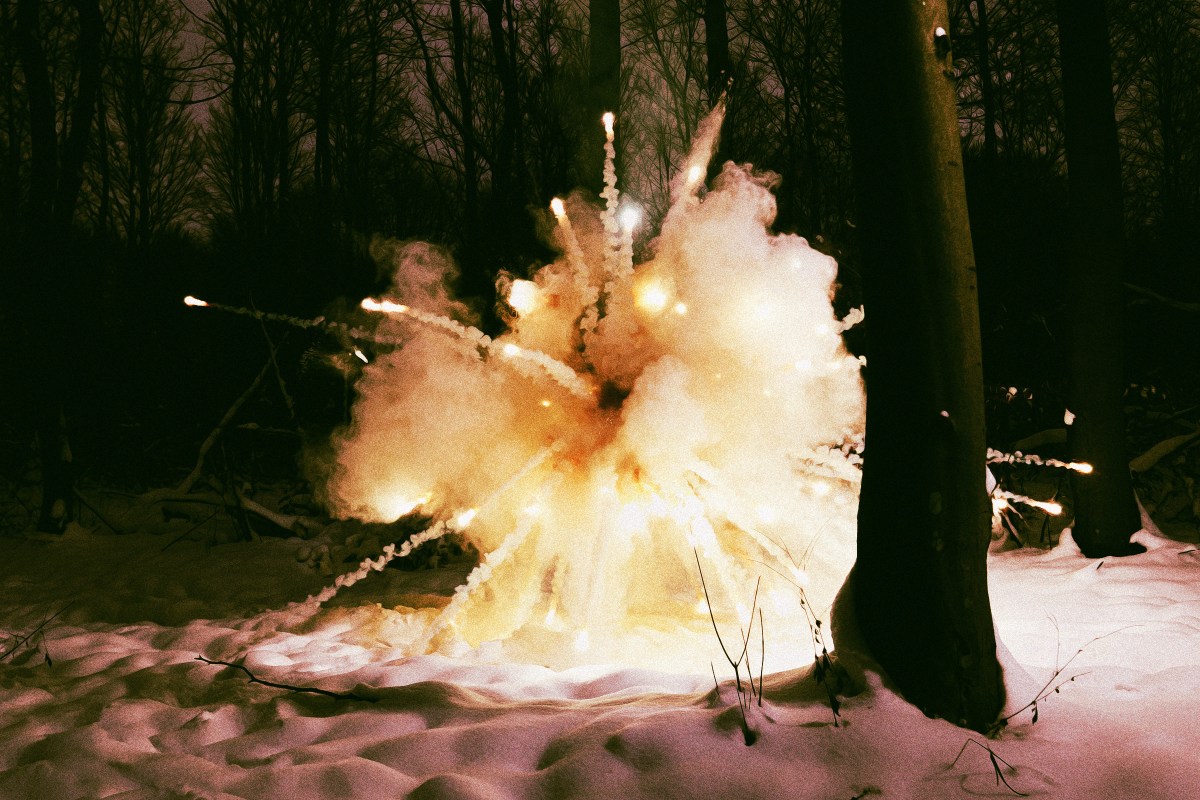
While cold-stunned iguanas fall from trees in Florida and videos circulate of frozen "exploding" trees in the Northeast, Southern California is working up a sweat. A midwinter heat wave has descended on much of the state and is expected to spike temperatures as much as 20 degrees above normal in the coming week. The summer-like heat is thanks to a ridge of high pressure lingering high in the atmosphere that extends through the San Francisco Bay Area and into the Pacific Northwest.
An extraordinarily warm and mostly sunny January has left the snowpack across California's Sierra Nevada far smaller than usual - 59% of average for this time of year, state water officials announced Friday as they held the season's second snow survey. "We are now about halfway through the typically wettest part of the year," said Andy Reising, manager of snow surveys for the California Department of Water Resources.