Renovation
fromArchitectural Digest
3 days ago7 Stylish Airbnbs in Rotterdam, From Houseboats to Historic Homes
Rotterdam's living spaces prioritize unique designs over uniformity, showcasing a blend of historical and modern architecture.
Rain fences are designed to store rainwater, reducing pressure on drainage systems during heavy downpours and preserving water for gardens during dry spells. This innovative approach is gaining attention in neighborhoods like Veldhoven, where residents are eager to learn about the costs and benefits of such installations.
Often nondescript from the outside and thus easy to miss, these cosy, homely, rustic cafe-style bars typically have plain dark-wood furniture, candles on the tables, aged knick-knacks and faded pictures. There will be dim lighting, usually from antique-style lamps, and they make ideal hubs they are often referred to as a surrogate living room.
Community-led work is critical to preventing hate and addressing the conditions that allow bias to take hold. These grants support New Yorkers who are doing the hard, meaningful work of bringing people together, strengthening relationships, and helping build a city where everyone belongs.
This exquisite painting displays how Drost, like his teacher, could capture a sitter's distinct individuality with inner life and contemplative potency. [The painting] shows Drost's own unique sensibility, evident in his carefully modulated brushwork and striking use of color.
Standing in the Bispebjerg district of Copenhagen, Grundtvigs Kirke, one of the most singular works of 20th-century ecclesiastical architecture, is the protagonist of David Altrath's latest photography series. Designed by Peder Vilhelm Jensen-Klint and completed in 1940, the church translates the vertical ambition of Gothic architecture into an austere expressionist language built entirely from yellow Danish brick. Structure, surface, and ornament collapse into a single architectural system, where material discipline replaces decoration.
The building feels both austere and atmospheric, especially in the way light moves through the interior spaces and emphasizes the geometry of the structure. He's always seeking unique relationships between form, light, and atmosphere.
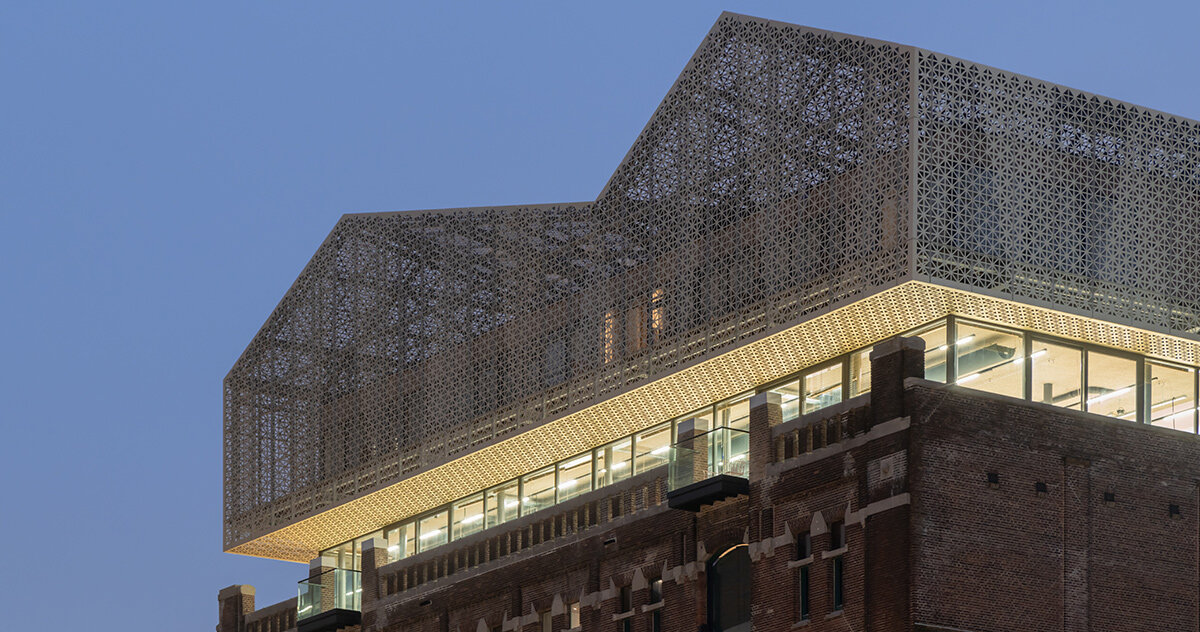
Designed by Vi.architectuuratelier, De Zwarte Fles office renovation stands on the village square of Zwijnaarde near Gent, Belgium and brings new working life to a former country house shaped by four centuries of change. The project combines a restoration with a compact office addition fronted by a decorative facade, allowing the historic building to return to a residential presence while supporting a contemporary studio program.
In establishing the fair, a foundation (stichting in Dutch) seemed the most fitting legal entity for the purpose of creating an event 'run by dealers, for dealers... so that nobody had an advantage over anybody else.' That Tefaf operates as a not-for-profit differentiates it from other major art fair brands. There are no shareholders demanding a return, no owners to primp the thing for sale.
Ever walked into a friend's studio apartment and wondered how they made 400 square feet feel like a palace? Meanwhile, your seemingly larger space feels cramped and suffocating? You're not alone. Most of us struggle with making our rooms feel spacious, especially when square footage is at a premium. Working from my apartment corner that I desperately try to convince myself is a "real office," I've become obsessed with every trick that makes small spaces feel bigger.
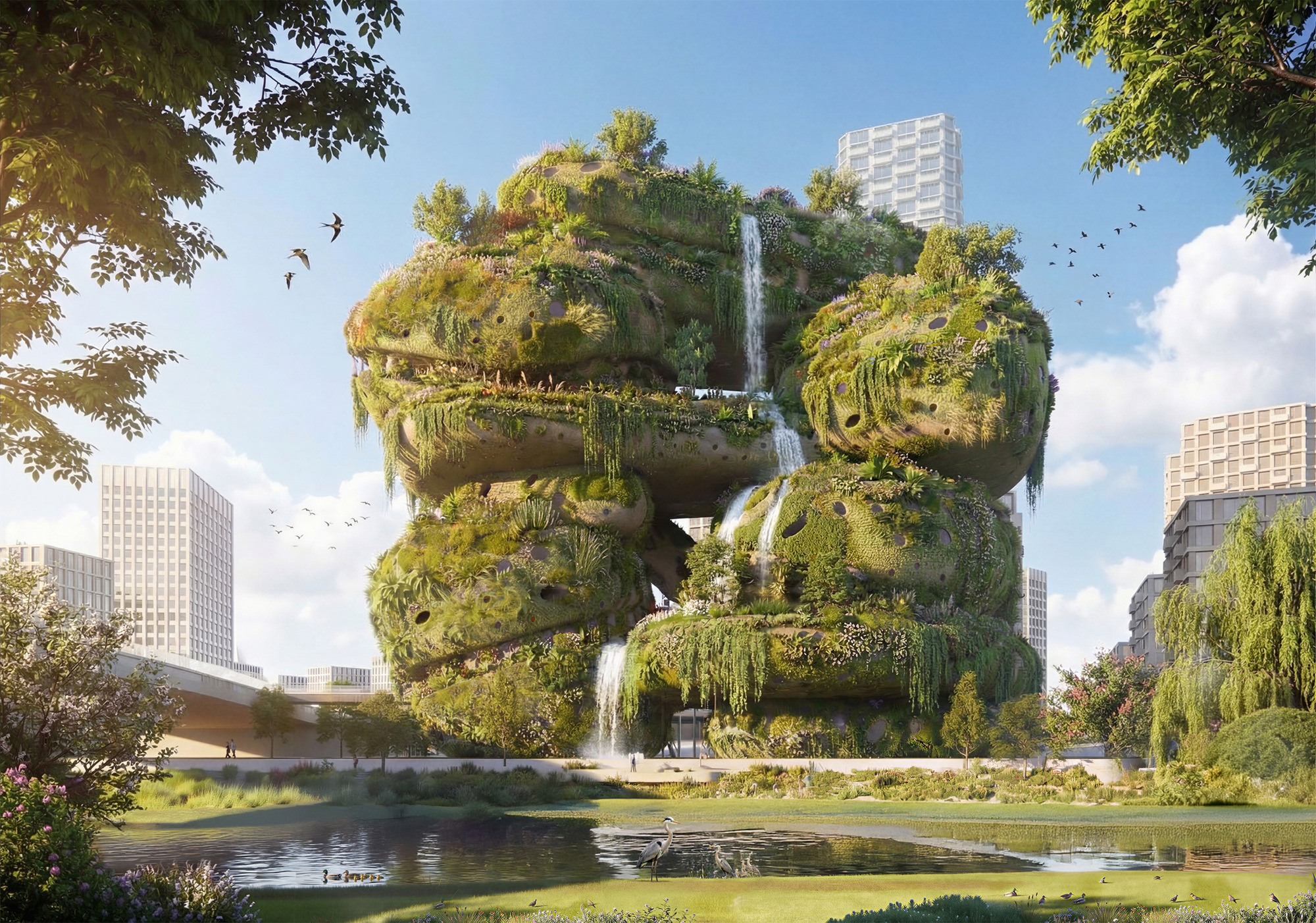
Valckensteyn, the first mass timber residential building in Rotterdam, has been officially delivered. Designed by Powerhouse Company and commissioned by housing corporation Woonstad Rotterdam, the project merges innovative timber construction with a strong social mission: providing 82 affordable rental homes in an iconic post-war district.
Fontana is a rare example of a woman Old Master, one of only a few who managed to attain career success on her own and was the first woman elected to the Academy of Saint Luke in Rome. This painting is one of the most ambitious from her early career. Reflecting visual references to Michelangelo-a departure from her usual reference to Correggio and Raphael-the vibrant hues and dramatic composition reflect prevailing Florentine trends of the late 16th century.
Advanced imaging and material analysis have led experts to reattribute a long-overlooked biblical scene to Rembrandt van Rijn, identifying the 1633 painting as a lost masterpiece after more than six decades of doubt. Titled Vision of Zacharias in the Temple, the work was last studied in 1960, when scholars ruled out the possibility that it could be by the Dutch master.