#venezuela-tensions
#venezuela-tensions
[ follow ]
fromwww.aljazeera.com
2 months agoUS-Venezuela military buildup tests Puerto Rico's painful past
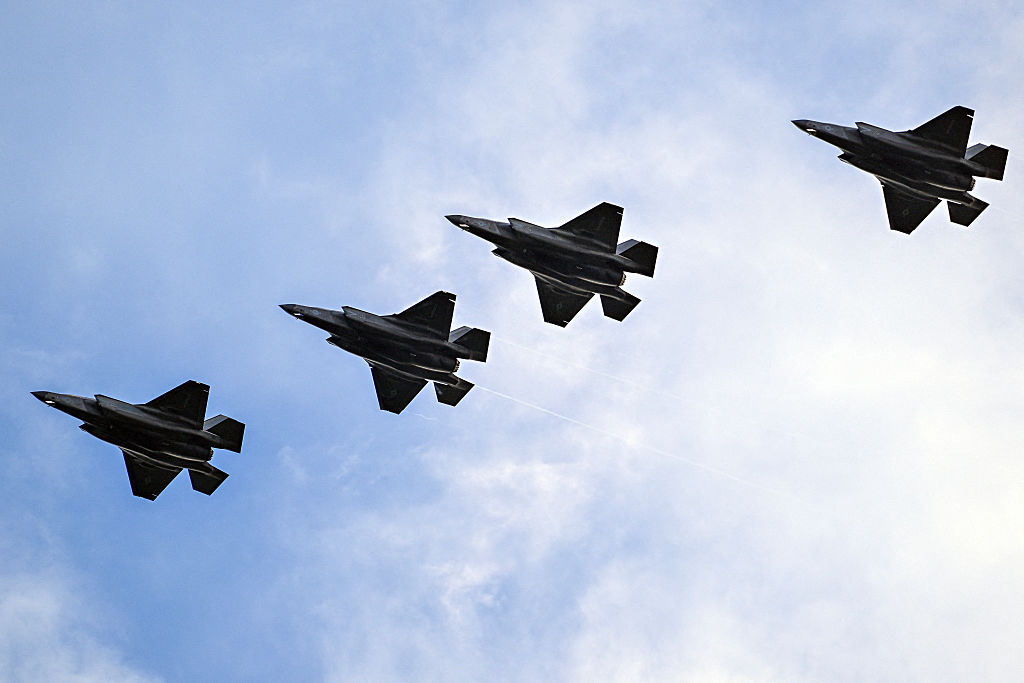
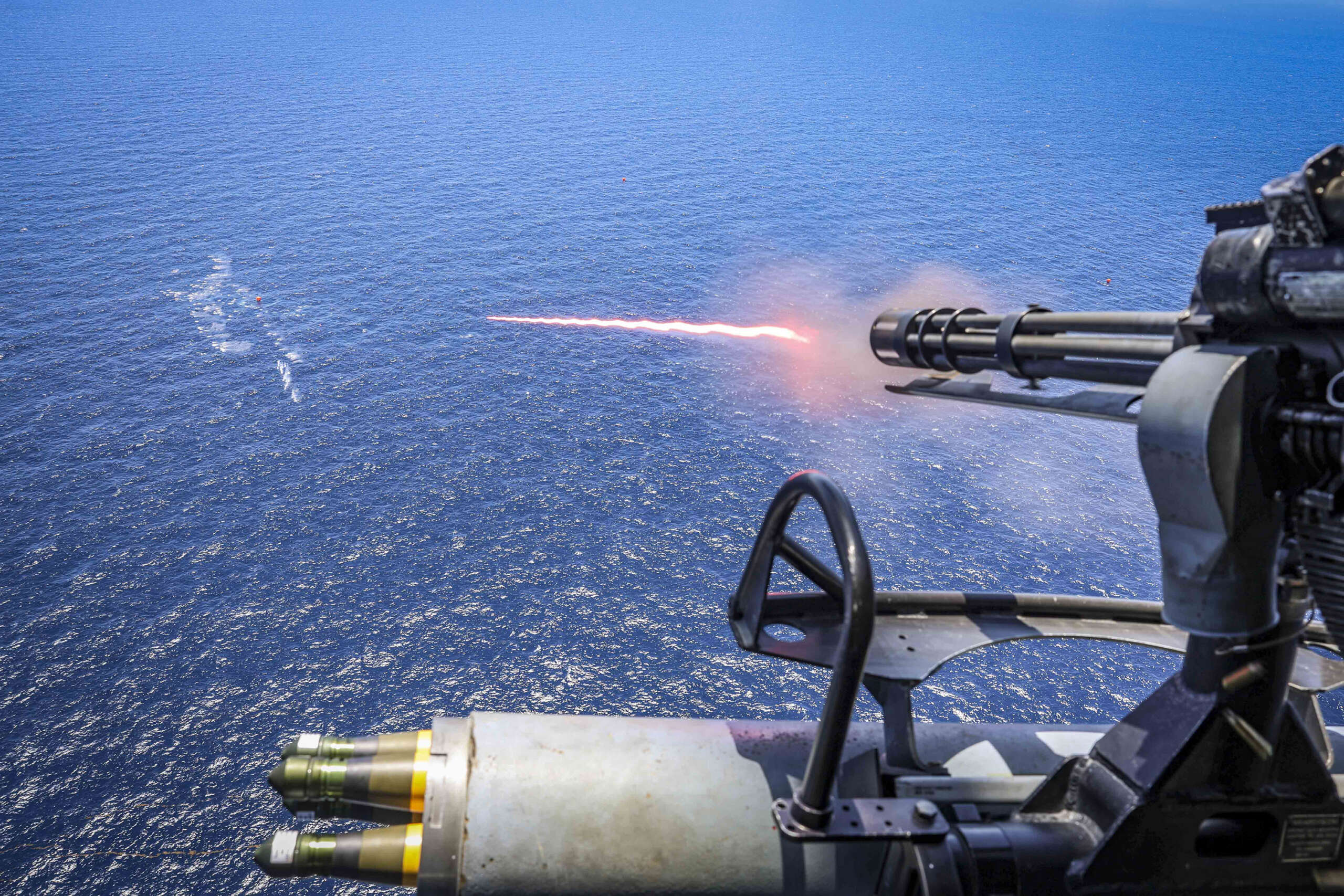
As US military presence grows once again in Puerto Rico, old wounds resurface. The United States military is increasing its presence in Puerto Rico as the administration of US President Donald Trump prepares for a possible clash with Venezuela over alleged drug trafficking. Ten thousand troops, advanced jets, drones, and the USS Iwo Jima now sit on an island still scarred by decades of military pollution.
US politics


US politics
fromWashingtonian - The website that Washington lives by.
2 months agoBoat Strike May Have Been War Crime, Bowser Won't Run for Reelection, and Fallout from DC Shooting Continues - Washingtonian
Defense Secretary Pete Hegseth allegedly ordered killing airstrike survivors; U.S. edges toward possible military action in Venezuela amid local weather and cultural notes.
fromenglish.elpais.com
2 months agoUS militarization of Puerto Rico amid Venezuela tensions reopens historical wounds
From the 1940s until the 2000s, 2,000 tons of ammunition fell every year on Vieques, a small island in the Puerto Rican archipelago. The U.S. Navy transformed this Caribbean paradise of crystal-clear waters into the most realistic recreation possible of a war zone: after expelling thousands of residents and taking control of two-thirds of the island and its resources, the navy established there a training base and a firing range to conduct artillery tests and other military exercises
World news
fromwww.theguardian.com
2 months agoTrump's targeting of alleged drug vessels strains UK-US intelligence ties
It is an intelligence relationship that predates even the Five Eyes: the UKUSA alliance that began, naturally enough, in secret in 1946. But this week the strain of trying to be the closest security ally to a freewheeling White House has begun to show. Britain, it emerged, had quietly suspended intelligence cooperation with the US in the Caribbean because London does not consider the deadly US military campaign against ships accused of drug trafficking to be in line with international law.
World news
fromTruthout
3 months agoIs Marco Rubio Driving the Trump Administration's Campaign Against Venezuela?
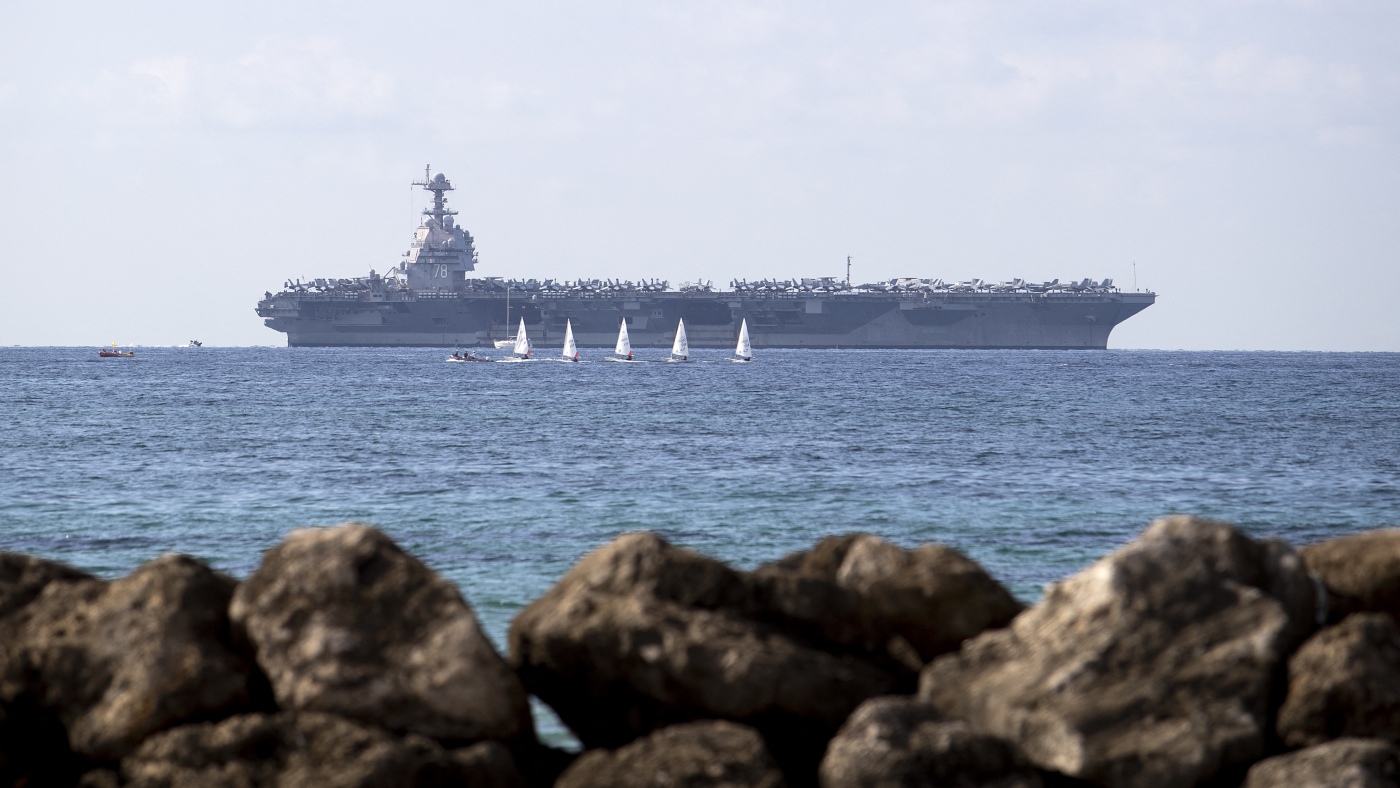
The threat of war against Venezuela and the surrounding region is growing as the Pentagon deploys the world's largest aircraft carrier, the USS Gerald Ford, to the Caribbean. Alejandro Velasco, associate professor at New York University, says the Latin American policy is "primarily Marco Rubio's ideological project," motivated by a desire to oust the government of Venezuela and weaken the allied government of Cuba.
US politics
fromwww.aljazeera.com
5 months agoTrump says 11 killed in strike on alleged drug-carrying boat from Venezuela
President Donald Trump has announced that the United States military conducted a kinetic strike on a small boat he accused of smuggling drugs out of Venezuela for the Tren de Aragua gang. In a Tuesday post on his social media platform, Truth Social, Trump shared black-and-white aerial footage of the bombing, which reportedly killed 11 people. list of 3 itemslist 1 of 3list 2 of 3list 3 of 3end of list The strike resulted in 11 terrorists killed in action.
World news
[ Load more ]