Tech industry
from24/7 Wall St.
4 days agoNVIDIA Could 10X Sales If It Weren't for This One Bottleneck
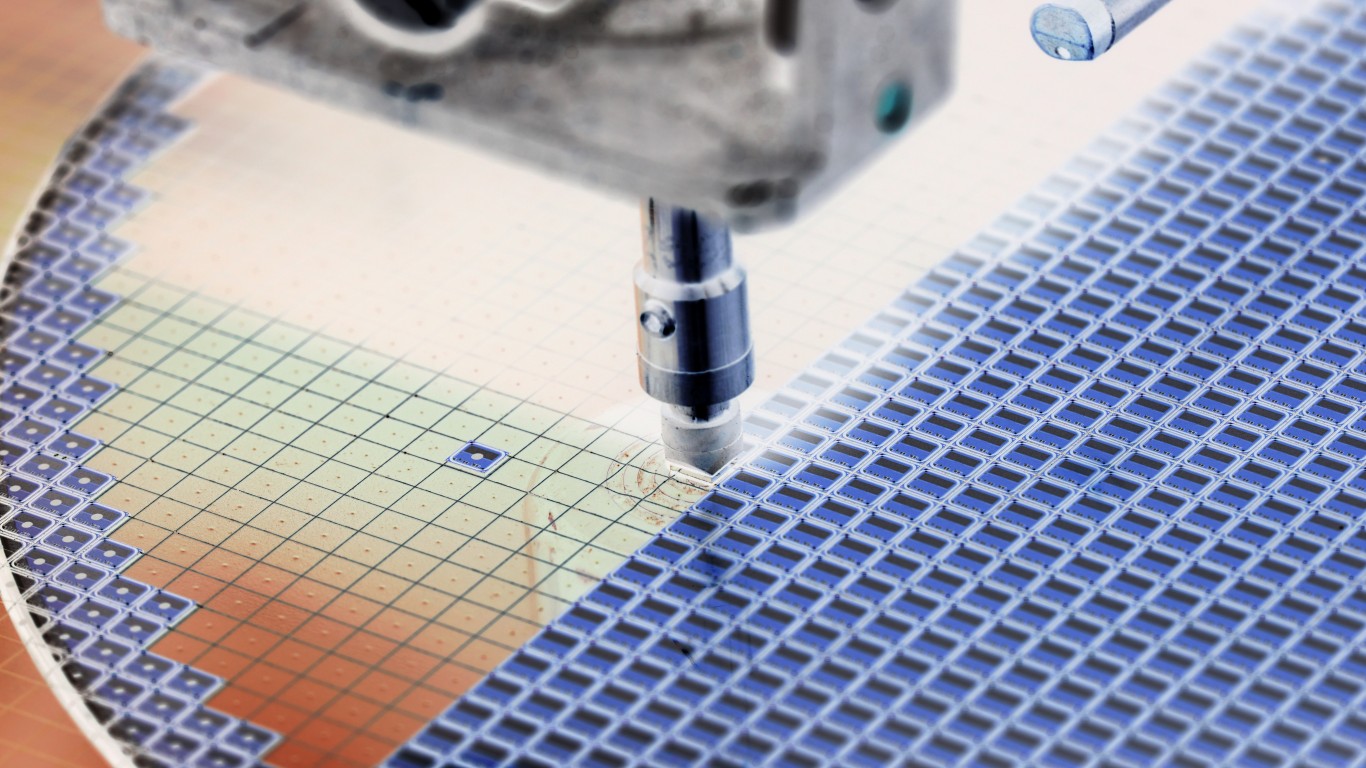
Measured wafer supply constraints from TSMC can prevent AI capex from becoming a bubble while still enabling sustained NVIDIA demand.
ASML CEO Christophe Fouquet expects the first chip products manufactured on the new High-NA EUV machines within a few months. He made this statement during ITF World, an event organized by the imec research institute in Belgium. The machines, which cost up to $400 million each, are nevertheless too expensive, according to TSMC. TSMC announced its contrarian stance a few weeks ago. Fouquet does not seem too impressed by this for the time being.
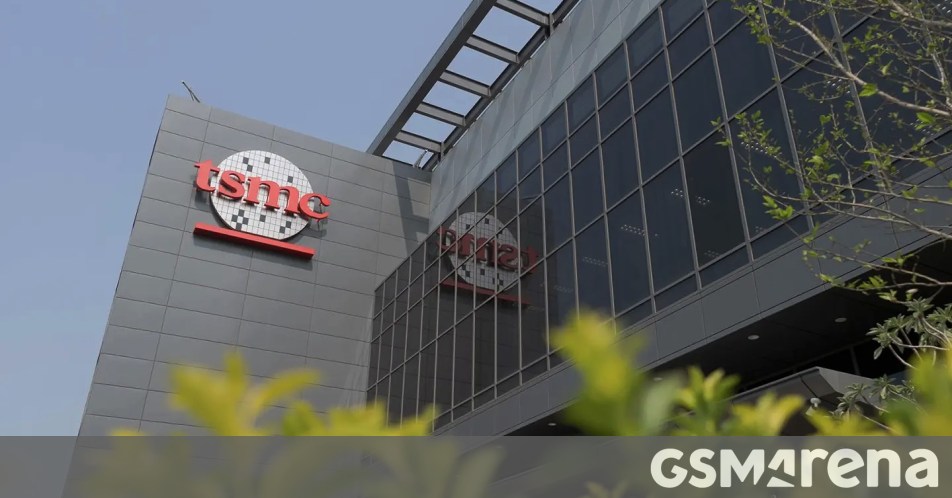
Taiwan Semiconductor Manufacturing (NYSE:TSM) sits at the center of this fund, representing 22.3% of the portfolio - a concentration that reflects TSMC's irreplaceable role in global chip supply chains. It manufactures chips for Apple, Nvidia, AMD, and virtually every other major technology company, and that dominance shows up in its financials: 45% profit margin and 35% return on equity that few industrial companies anywhere in the world can match.
The gold rush across the high-end processor market might help Apple's processor manufacturing partner, TSMC, drive harder bargains than in the past. That's because Apple's huge appetite for processors is being met by fast-growing demand for chips for servers. As a result, the cost of the chips used inside Macs, iPads, and iPhones will likely increase, putting even more inflationary pressure on Cupertino's bottom line.
Rivian Automotive Inc. has developed its own artificial intelligence chip, replacing Nvidia Corp. technology as part of a broader push to add and enhance automated-driving features in future vehicles. The automaker will equip its upcoming R2 sport utility vehicles with Rivian Autonomy Processor 1 chips and a new lidar sensor. Taiwan Semiconductor Manufacturing Co. will produce the chips that, combined with the new sensor and AI model developments, will bolster Rivian's efforts to eventually offer autonomous driving capability.
In the high tech universe, there is only a single common road that Nvidia (NASDAQ: NVDA), Advanced Micro Devices (NASDAQ: AMD), Apple (NASDAQ: AAPL), Qualcomm (NASDAQ: QCOM), Broadcom (NASDAQ: AVGO) and many others must go to get their chips made, no matter where they hail from. That road inevitably leads to Taiwan Semiconductor Manufacturing Company Ltd. (NYSE: TSM), the largest semiconductor foundry on the planet.
That doesn't mean it will be all plain sailing for Google and its TPU customers, though: Myron Xie, a research analyst at SemiAnalysis, warned that Google might also face constraints in terms of chip manufacturing capacity at Taiwan Semiconductor Manufacturing Company (TSMC), which is facing bottlenecks around limited capacity for advanced chip packaging. Designed for TensorFlow Ironwood is the seventh generation of Google's TPU platform, and
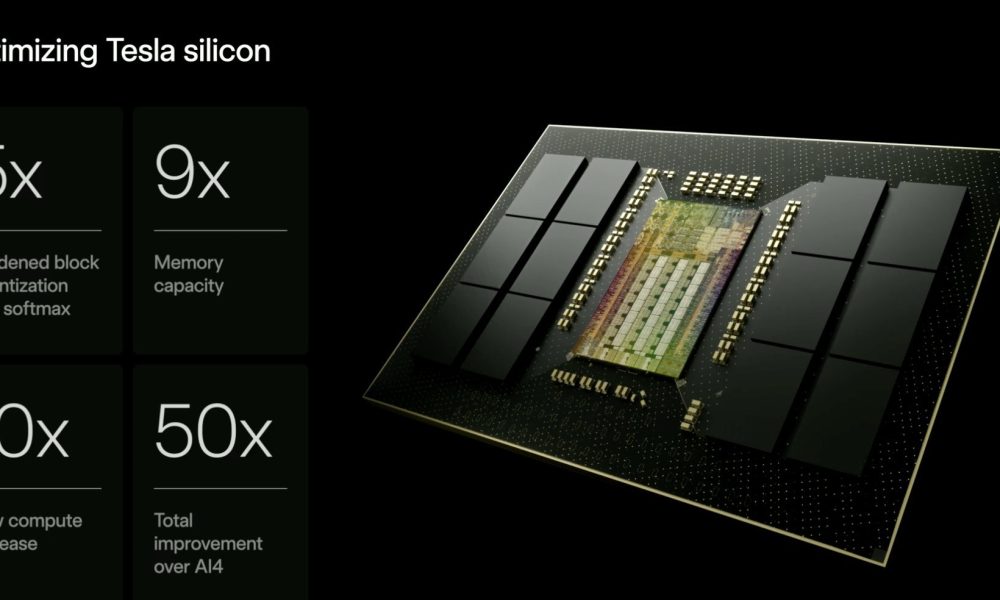
The AI5 chip is Tesla's next-generation hardware chip for its self-driving program, Optimus humanoid robots, and other AI-driven features in both vehicles and other applications. It will be the successor to the current AI4, previously known as Hardware 4, which is currently utilized in Tesla's newest vehicles. AI5 is specially optimized for Tesla use, as it will work alongside the company's Neural Networks to focus on real-time inference to make safe and logical decisions during operation.
Earlier this year, we saw a report which claimed that TSMC is struggling with its 2nm chip yield. This was rumored to lead to delays for key customers like Apple, but a new report from DigiTimes claims that TSMC has things under control now and 2nm chip mass production is on track for Q4 this year. According to the new report, TSMC will simultaneously begin mass producing 2nm chips at its Baoshan and Kaohsiung plants in Taiwan, with a combined monthly wafer output of 45,000 to 50,000 units by the end of this year.