#small-business-accountability
#small-business-accountability
[ follow ]
#entrepreneurship #business-strategy #small-business #sustainability #innovation #leadership #mental-health

fromFortune
1 day agoIngersoll Rand CEO: here's how employee ownership helped drive more than 8x enterprise value growth | Fortune
The shift was apparent. People had a stake in the outcome, and they acted like it. Ideas flowed more freely, teams spotted and solved problems earlier, and employees took pride in identifying and implementing improvements.
Business
UK news
fromLondon Business News | Londonlovesbusiness.com
4 days agoSMEs turn to bad debt protection amid tough trading conditions - London Business News | Londonlovesbusiness.com
SMEs are increasingly seeking Bad Debt Protection due to rising unpaid invoices and broader payment risks across supply chains.
Higher education
fromInside Higher Ed | Higher Education News, Events and Jobs
4 days agoPresidents Puzzled on Rebuilding Public Trust in Higher Ed
Public trust in higher education has slightly improved but remains low, with most presidents believing their institutions are ineffective in addressing this issue.

Non-profit organizations
fromNonprofit Quarterly | Civic News. Empowering Nonprofits. Advancing Justice.
5 days agoDemocracy Needs You: 5 Steps Nonprofits Can Take to Support Free and Fair Elections | Nonprofit Quarterly | Civic News. Empowering Nonprofits. Advancing Justice.
Voting is essential for democracy, and nonprofits play a crucial role in promoting voter participation and countering misinformation.
fromInquirer.com
6 days agoEnergy prices are up. These smart moves can help your business save money. | Expert Opinion
Wherever you stand on work from home, put the issue aside temporarily and allow your employees to work more from their home offices. It will save them money on gas and put less pressure on you to reimburse them for higher fuel costs.
Boston real estate
fromBusiness Matters
5 days agoThousands of growing firms freed from IR35 burden - but freelancers warned not to underprice
Changes to the UK's IR35 tax legislation will redraw the lines of responsibility between businesses and the freelancers they engage, promising relief for many companies that previously bore the compliance burden.
UK news
#sustainability



Online Community Development
fromHarvard Business Review
5 days agoA New Model to Drive Financial Health and Commercial Sustainability in the Development Sector - SPONSOR CONTENT FROM MASTERCARD
Many development projects fail to achieve sustainable impact due to lack of long-term planning and holistic approaches.
Online Community Development
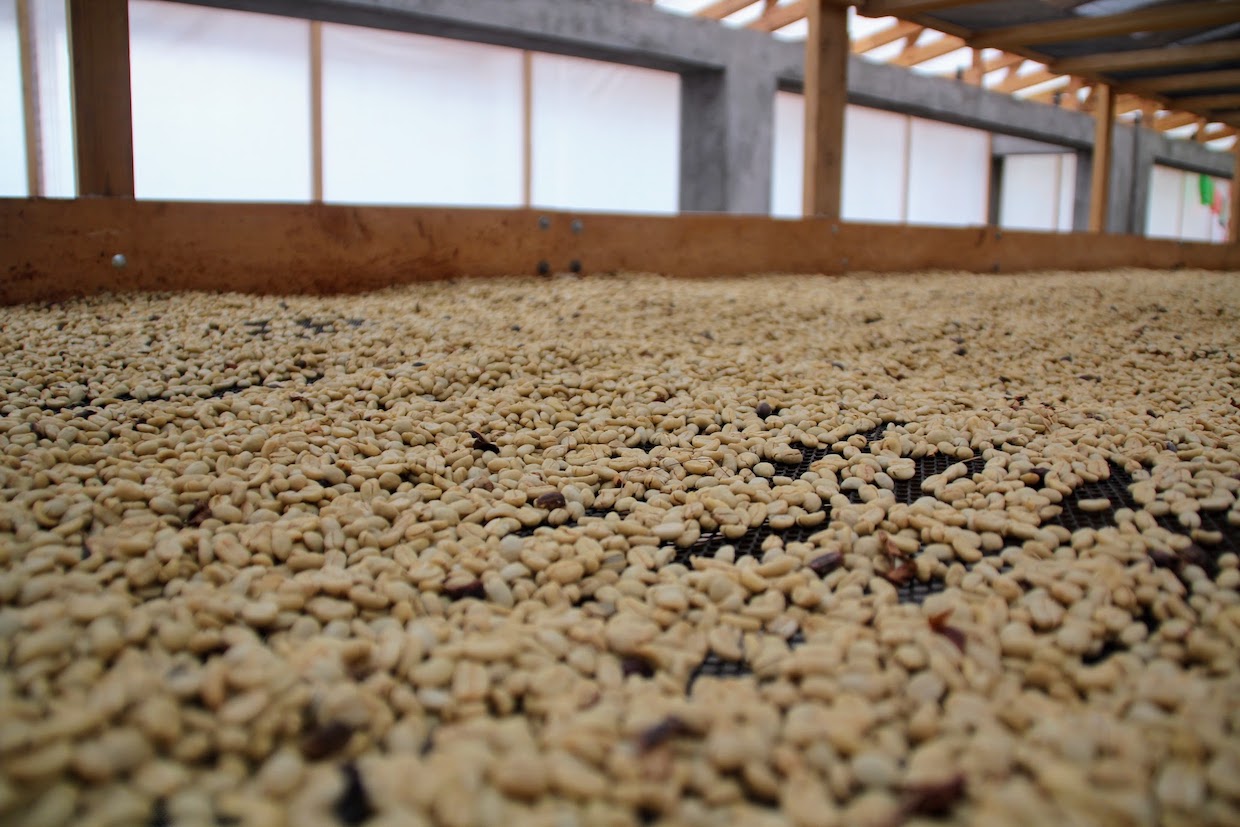
fromDaily Coffee News by Roast Magazine
2 weeks agoStudy: Social Enterprises Beat Corporate Sustainability in Farmer Well-Being
Social enterprises significantly enhance farmer well-being compared to traditional corporate sustainability programs and cooperatives in the coffee and cocoa sectors.
fromHarvard Business Review
2 weeks agoTreat Nonprofits as Strategic Partners, Not Just Philanthropic Recipients
Most for-profit companies still confine nonprofit relationships to corporate philanthropy. Donations flow through foundations, annual reports highlight community contributions, and nonprofit engagement is framed as evidence of corporate responsibility.
Non-profit organizations
UK politics
fromLondon Business News | Londonlovesbusiness.com
2 weeks agoGovernment cracks down on late payments to small businesses - London Business News | Londonlovesbusiness.com
The UK government is implementing significant reforms to combat late payments to small businesses, aiming to improve cash flow and reduce business closures.

Bootstrapping
fromEntrepreneur
3 weeks agoDon't Let New Regulations Overwhelm You - Take Control in 30 Days or Less
Regulatory compliance failures typically result from poor internal organizational response rather than the rules themselves, and treating each new regulation as a structured 30-day operational project with clear ownership prevents chaos and ensures consistent execution.
fromFast Company
1 month agoSmart businesses don't adapt to crony capitalism
Defense Secretary Pete Hegseth took the unprecedented step of designating a U.S. firm-Anthropic-as a supply chain risk. Anthropic's crime? It refused to violate industry-wide protocols against using AI for mass surveillance or autonomous weapons. Hegseth's designation, which has until now been reserved for foreign firms, bars U.S. military contractors from doing business with the company.
US politics
US politics
fromFlowingData
1 month agoDatabase to explore conflicts of interest through financial disclosures
ProPublica created a searchable database of financial disclosure documents from the president and 1,573 executive branch appointees, revealing their assets, outside positions, and compensation.
fromBusiness Matters
2 months agoCompliance Is the New Creative: Why Your Channel Partners Are Your Biggest Liability (and How to Fix It)
If your partner in Munich mishandles customer data, or your reseller in Paris uses a "black box" AI tool to generate deceptive ads, it isn't just their reputation on the line. It's yours. With the EU AI Act now in full swing and GDPR entering its "mature enforcement" era, the distance between a partner's mistake and your company's $20 million fine has never been shorter.
EU data protection
fromLondon Business News | Londonlovesbusiness.com
2 months agoOwner dependence is one of the biggest hidden risks undermining business value - London Business News | Londonlovesbusiness.com
New analysis published today (6 February 2026) reveals a structural issue that is eroding valuations, limiting exits, and trapping founders in their businesses, with around 80% of UK private companies failing to sell. The White Paper, The Owner Dependence Problem in UK SME Businesses, published by Exit Factor, highlights how excessive reliance on founders is undermining business value across the UK SME sector. The White Paper analyses businesses with annual revenues between £3m and £30m and demonstrates how owner dependence materially restricts strategic options for owners.
Business
[ Load more ]