#school-design
#school-design
[ follow ]
#architecture #sustainability #design #education #higher-education #ai-in-education #community-engagement
fromArchDaily
10 hours agoMVRDV, Diamond Schmitt, and Two Row Architect Reveal Design for the Temerty Building at the University of Toronto
The Temerty Building is designed to replace a 1969 wing on the west side of the existing Medical Sciences Building, forming a gateway to Front Campus, the historic heart of the university.
Toronto startup
#ai-in-education
Online learning
fromeLearning Industry
49 minutes agoWhat AI Will Look Like In 2030 (And What It Means For eLearning)
AI in education is projected to grow from $5.88 billion in 2024 to $32.27 billion by 2030, indicating a significant transformation in learning.


Online learning
fromeLearning Industry
1 week agoRethinking Education With AI: Create More Engaging Learning Experiences With AI-Powered Learning Design
AI can enhance learning design by personalizing experiences and improving relevance, but risks of generic content and diminished critical thinking remain.
Online learning
fromeLearning Industry
1 week agoRethinking Education With AI: Create More Engaging Learning Experiences With AI-Powered Learning Design
AI can enhance learning design by personalizing experiences and improving relevance, but risks of generic content and diminished critical thinking remain.
fromBrooklyn, NY Patch
1 day agoNew Brooklyn Dance Studio Challenges Norm
"Most dance studio education in the U.S. still starts with ballet and works towards recitals. But historically, hundreds of distinct dance traditions emerged from cultures around the world long before ballet became the norm in European courts."
Brooklyn
Environment
fromwww.theguardian.com
2 days agoFrom Barcelona to Paris, cities thrive with women in charge. It's all about sharing public space | Melissa and Chris Bruntlett
Urbanization is leading to unprecedented crises in cities, necessitating a shift in infrastructure design to prioritize accessibility and sustainability.
fromeLearning Industry
1 day agoDiagnostic Assessment In Education: A Strategic Guide For K-12 And Higher Ed Teachers
A diagnostic assessment is a pre-instruction evaluation used to identify learners' prior knowledge, skill gaps, and misconceptions before teaching begins. Its purpose is not to grade performance, but to inform decisions about teaching, pacing, and support.
Education
fromAbove the Law
2 days agoRanking The Best Law School Buildings In America (2026) - Above the Law
The National Jurist's preLaw Magazine recently released its ranking of the best law buildings, highlighting not just the way the schools look, but the way they support how students study, collaborate, and train for their future careers.
Higher education
Higher education
fromInside Higher Ed | Higher Education News, Events and Jobs
3 days agoExecutive Director, Online Education, AI Innovation, Manchester U
The executive director of online education and AI innovation at Manchester University aims to enhance education access and quality while ensuring financial sustainability.
fromArchDaily
1 day agoPodium-Tower Urbanism in Southeast Asia: Density, Management, and the Disappearing Street
The podium-tower is a hybrid structure consisting of a high-coverage, low-rise podium supporting one or more slender vertical towers, maximizing urban density while maintaining a 'human-scaled' street wall.
Design
Design
fromdesignboom | architecture & design magazine
2 days agosnhetta and VitrA bathrooms and tiles transform university of milan into sensory landscape of circular clay
Ceramics Forged in Light installation at Milan Design Week 2026 challenges perceptions of industrial waste through a sensory exploration of ceramic production.
Philosophy
fromWarpweftandway
1 month agoTwo Collaborative Learning () Events This Week
The 四海为学 Collaborative Learning Project hosts two free public events: Louise Edwards discussing childhood and gender in China on March 19, and Peter Hershock exploring AI and agency from a Buddhist perspective on March 20.
fromArchDaily
3 days agoWhy Do We Want to Float? The Psychology of Lightness in Architecture
In 1962, the architect Buckminster Fuller envisioned a floating city that would free humanity from its dependence on the Earth. The speculative project consisted of enormous geodesic spheres that would naturally levitate in air warmed by the sun and be anchored to mountaintops.
Design
#education
Design
fromdesignboom | architecture & design magazine
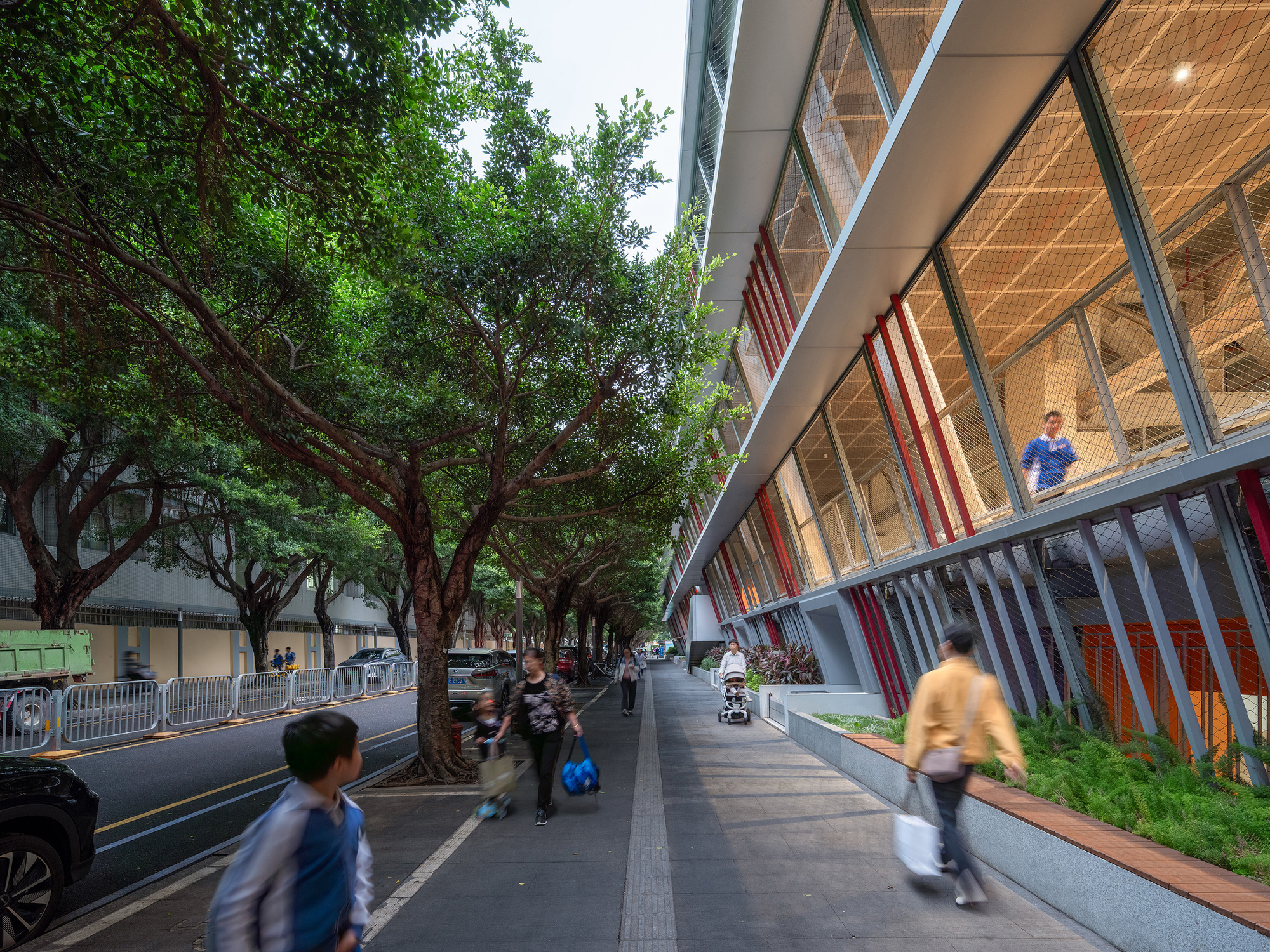
3 weeks ago317studio transforms taiwan classroom into forest-like learning space for scouting education
317studio transforms a conventional classroom into a flexible, forest-like learning environment that promotes active participation and adaptability.
Design
fromdesignboom | architecture & design magazine
3 weeks ago317studio transforms taiwan classroom into forest-like learning space for scouting education
317studio transforms a conventional classroom into a flexible, forest-like learning environment that promotes active participation and adaptability.
Miscellaneous
fromArchDaily
1 month ago7 Unbuilt Masterplans Reimagining Urban Futures Through Ecology and Collective Space
Unbuilt urban masterplans explore adaptive spatial frameworks that recalibrate mobility, ecology, and collective life through climate-responsive design and public space integration across diverse global contexts.
fromArchDaily
1 month agoArchiving the Technosphere: How Museum Architecture Mediates Human-Made Systems
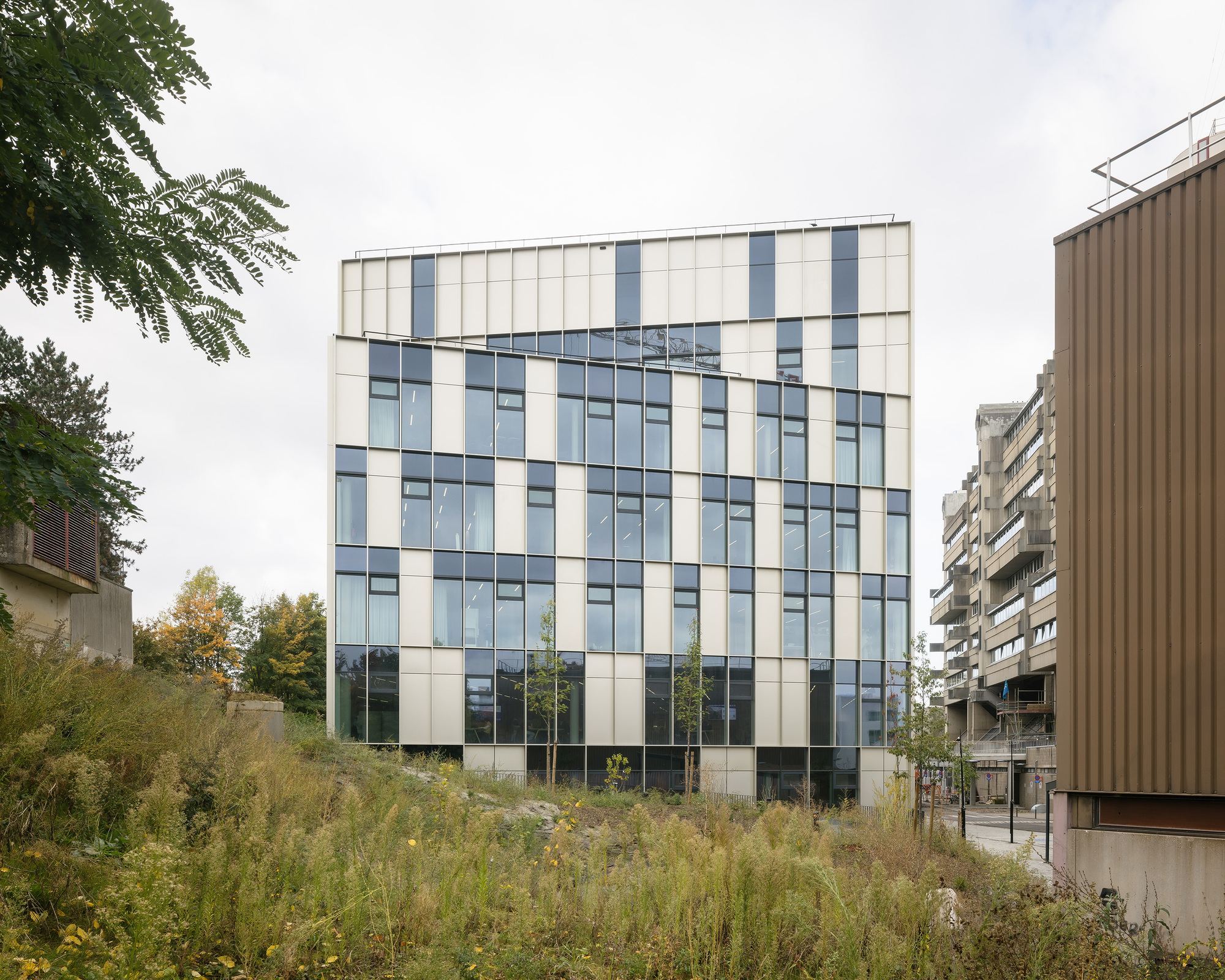
The contemporary technology museum has emerged as a performative participant in the systems it seeks to document. The architecture of these institutions has become increasingly fluid and bold, often mirroring the velocity and complexity of the systems it houses. They operate as mediators between the human, the ecological, and the technological realms, transforming from encyclopedic warehouses into active educational engines.
Science
Education
fromArchDaily
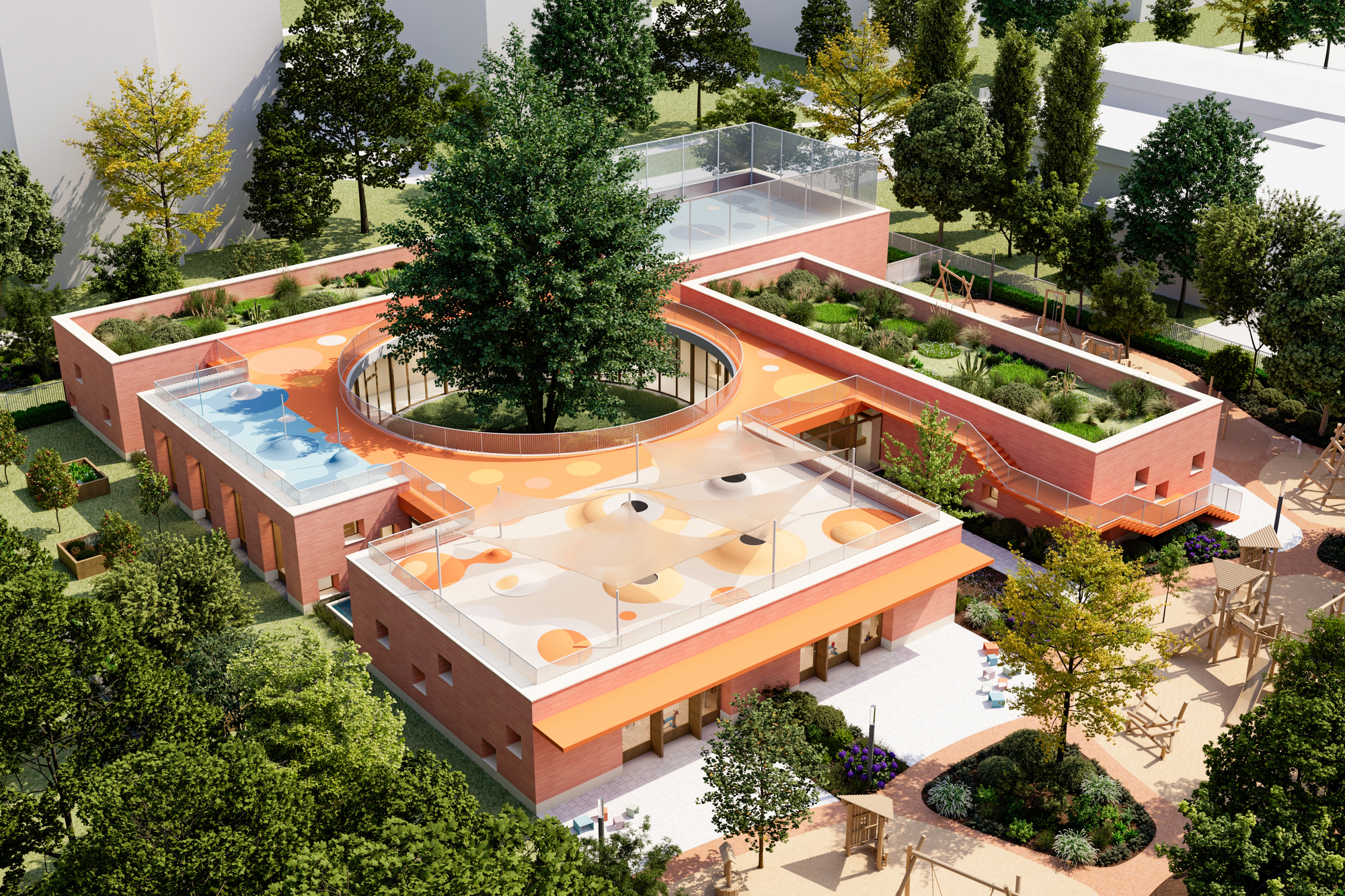
1 month agoWhen the School Becomes the City: Community-Centered Projects in the Global South
School architecture functions as a catalyst for social transformation by creating multifunctional civic spaces that integrate education, culture, sports, and community engagement within urban territories.
fromArchDaily
3 months agoReflecting on the International Day of Education: From Playful Environments to Youth Agency in Architecture
Education has long been understood as a cornerstone of social development, shaping not only individual futures but also the collective capacity of societies to respond to change. Observed annually on 24 January, the International Day of Education invites reflection on the role education plays in addressing global challenges and sustaining social progress. As the world confronts overlapping challenges, from technological transformation to deepening inequalities, the question of how education is imagined, governed, and experienced has become increasingly urgent.
Education
fromArchDaily
1 month agoThe Machine in the Age of Collective Practice
Every architectural epoch has been defined by its instruments. The compass, the drawing board, the camera, and the computer have each altered how architects think and produce. Yet the current moment feels qualitatively different.
Design
[ Load more ]