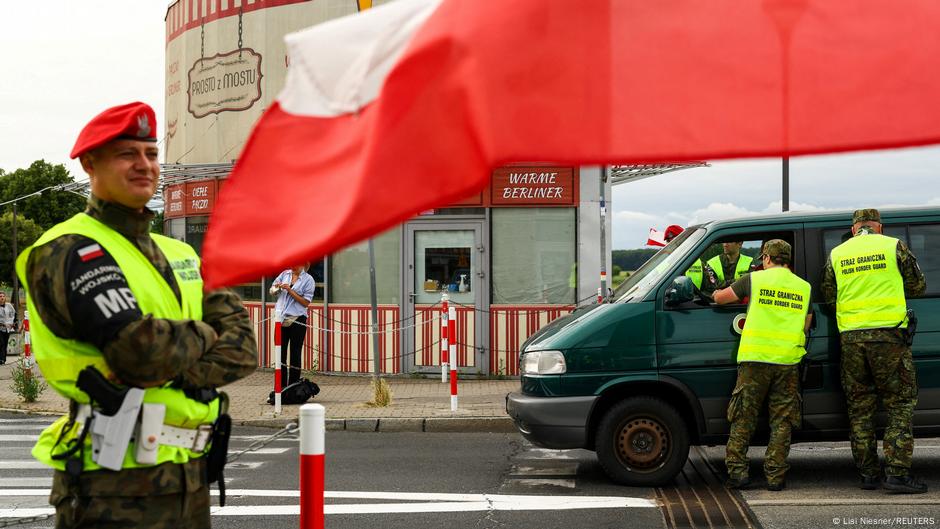
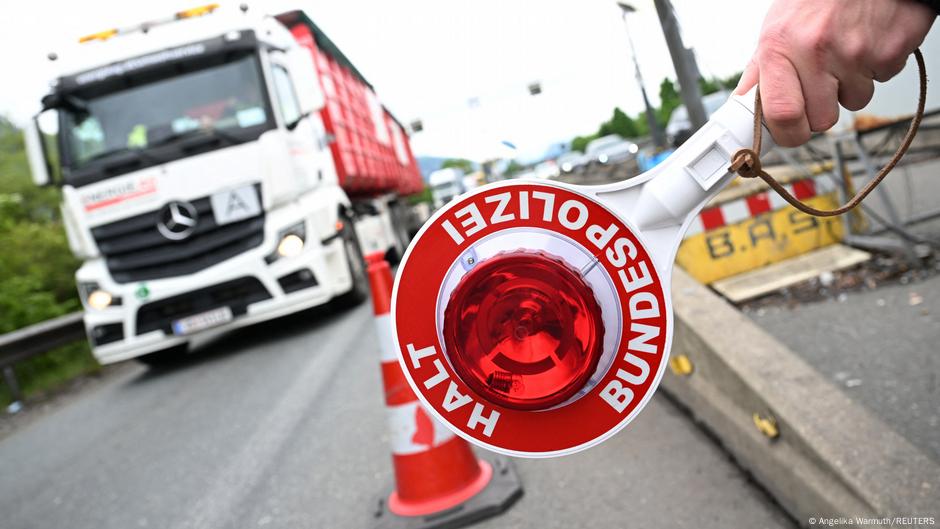
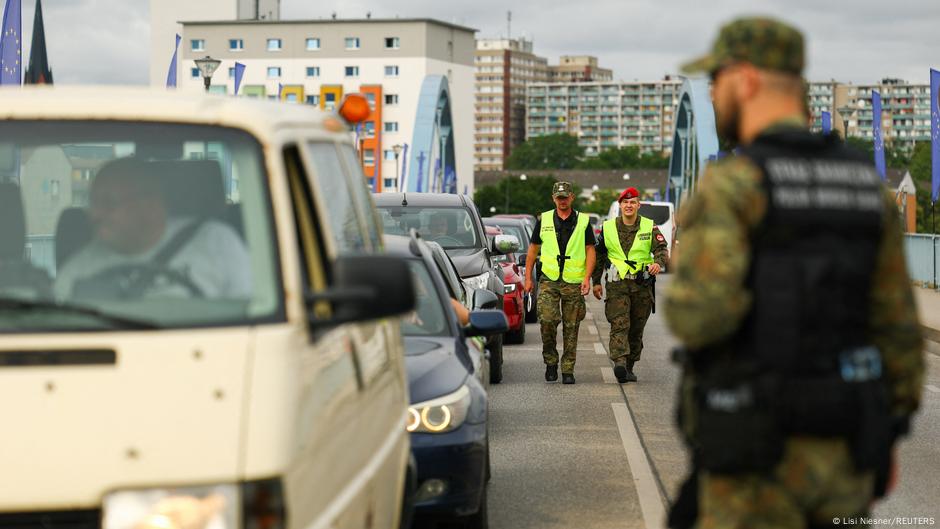
The processing time at registration could take a bit longer for citizens from outside of Schengen, as they need to register their biometric data. The police are in general, happy with the way it has been rolled out.
The new checks, part of the EU's new Entry/Exit System (EES), collect digital personal records of third country nationals travelling to the Schengen area and replace the manual stamping of passports.
From Sunday, non-EU travellers entering Europe's Schengen open-borders zone will gradually be photographed and fingerprinted at border crossings, as the European Union rolls out its much-delayed automated border checks. The aim of the new system? To replace eventually the manual stamp on passports and secure better information-sharing between the bloc's 27 states.
Many travellers to Europe will see changes in border security from Sunday with the launch of the EU's new digital entry and exit system (EES) after many delays. The system means most non-EU citizens will have to register their biometric information at the border. Travellers' faces will have to be photographed and fingerprints scanned before they are allowed into Europe's Schengen area.