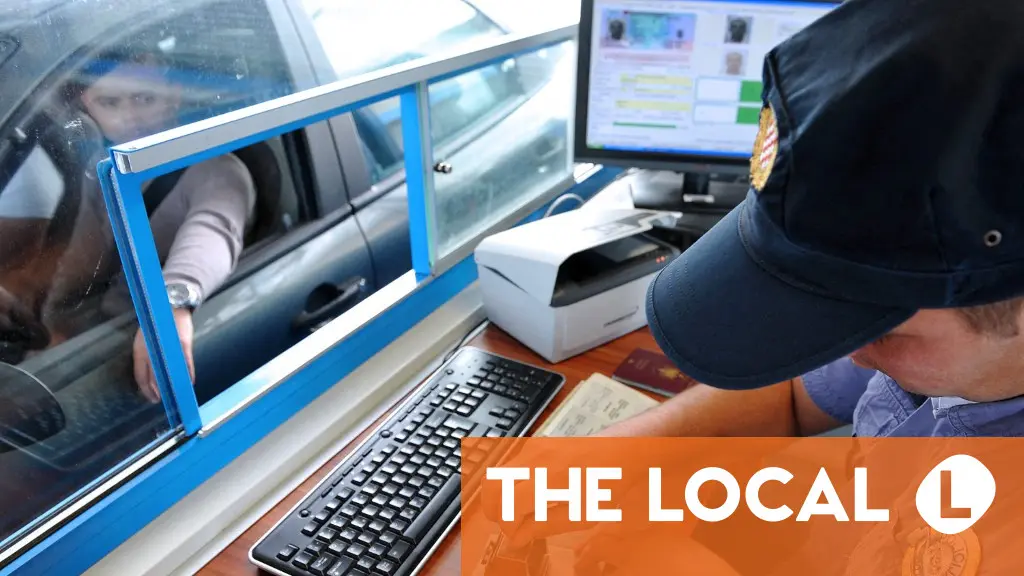
In the first six months of operation, the Entry-Exit System recorded over 66 million entries and exits of non-EU nationals. Since launch, 32,000 people were refused entry into the Schengen area. About 7,000 refusals were linked to overstays, meaning travellers stayed beyond their permitted time limit. The EU did not provide a breakdown of the specific overstay reasons, which generally include exceeding visa limits or breaching the Schengen 90-day rule within any 180-day period. Overstaying can lead to fines and bans from entering the EU. Nearly 800 people were also stopped for internal security concerns. The EES aims to increase border security by digitally registering travellers and sharing real-time crossing information across Schengen countries, replacing manual passport stamping, though it remains unavailable for travellers in many locations, especially major entry points to France from the UK.
"In the first six months of operation of the new EU digital border system, the Entry-Exit System (EES), almost 7,000 travellers were denied entry into Europe's border-free Schengen area because they stayed beyond their permitted time limit, a European Commission report has revealed."
"Overall, more than 66 million entries and exits of non-EU nationals were recorded, and 32,000 people were refused entry in the Schengen territory since the EES was first launched last October. Of these some 7,000 were due to overstays, referring to people who stayed beyond their permitted time limit in the Schengen area."
"The EU didn't give a breakdown on the reasons why the 7,000 were classed as overstayers but in general that would include those who have stayed beyond their permitted visa limits and those who broke the Schengen area's '90-day rule', which allows many non-EU travellers to stay for a maximum of 90 days in any 180-day period. Penalties for over-staying include a fine but also the more draconian measure of being banned from entering the EU."
"The EES digitally registers non-EU nationals and shares in real time information about who crosses EU borders, when and where, as well as information about refusals of entry, across Schengen countries. It replaces the manual stamping of passports. As of April 10th, the system was supposed to be fully operational but it remains out of action for travellers in many places, particular the main entry points to France from the UK."
Read at The Local France
Unable to calculate read time
Collection
[
|
...
]