#potassium
#potassium
[ follow ]
#nutrition #health #heart-health #white-beans #bananas #hyperkalemia #electrolytes #soybean #phosphorus #soil-testing

fromTasting Table
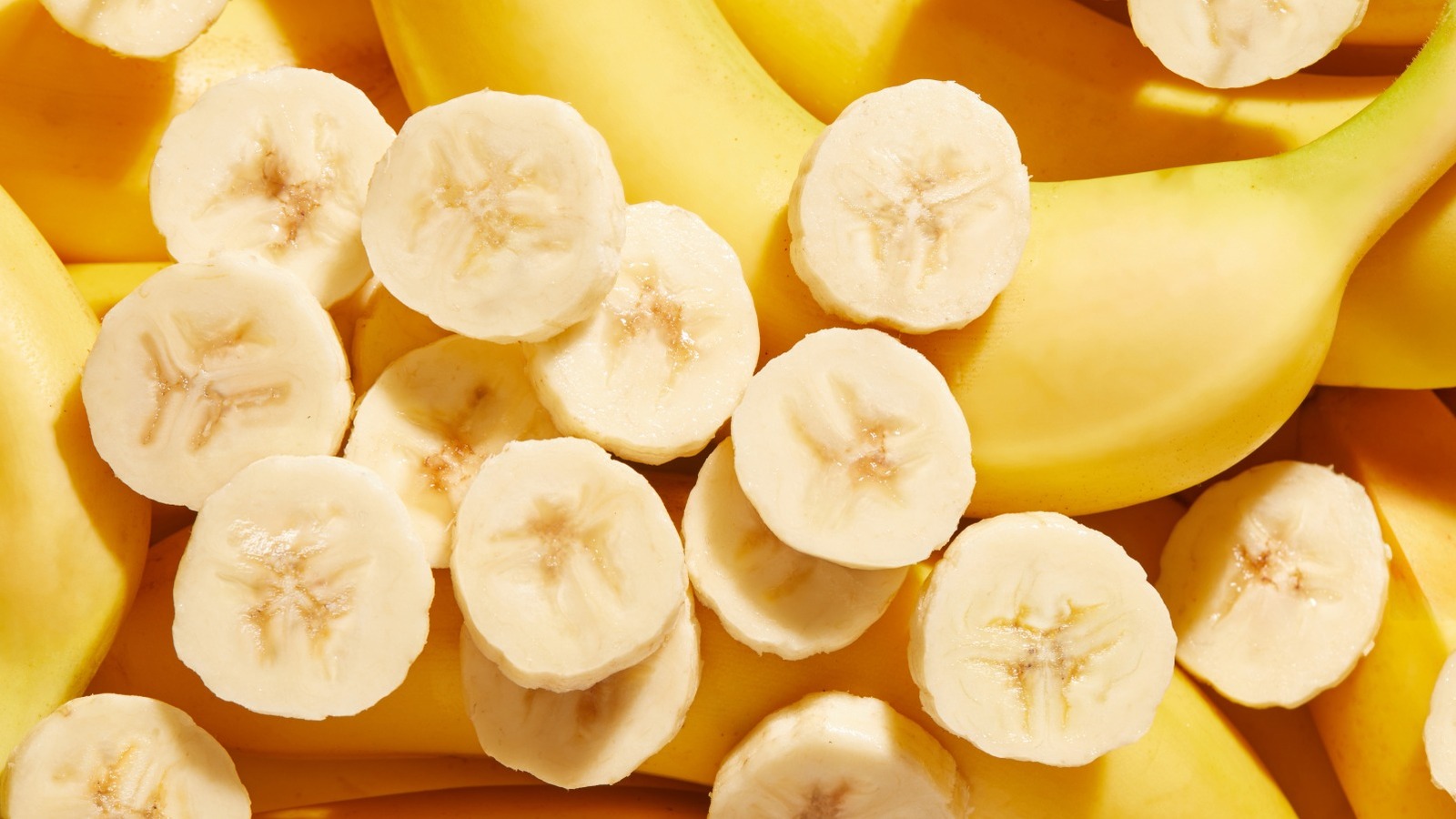
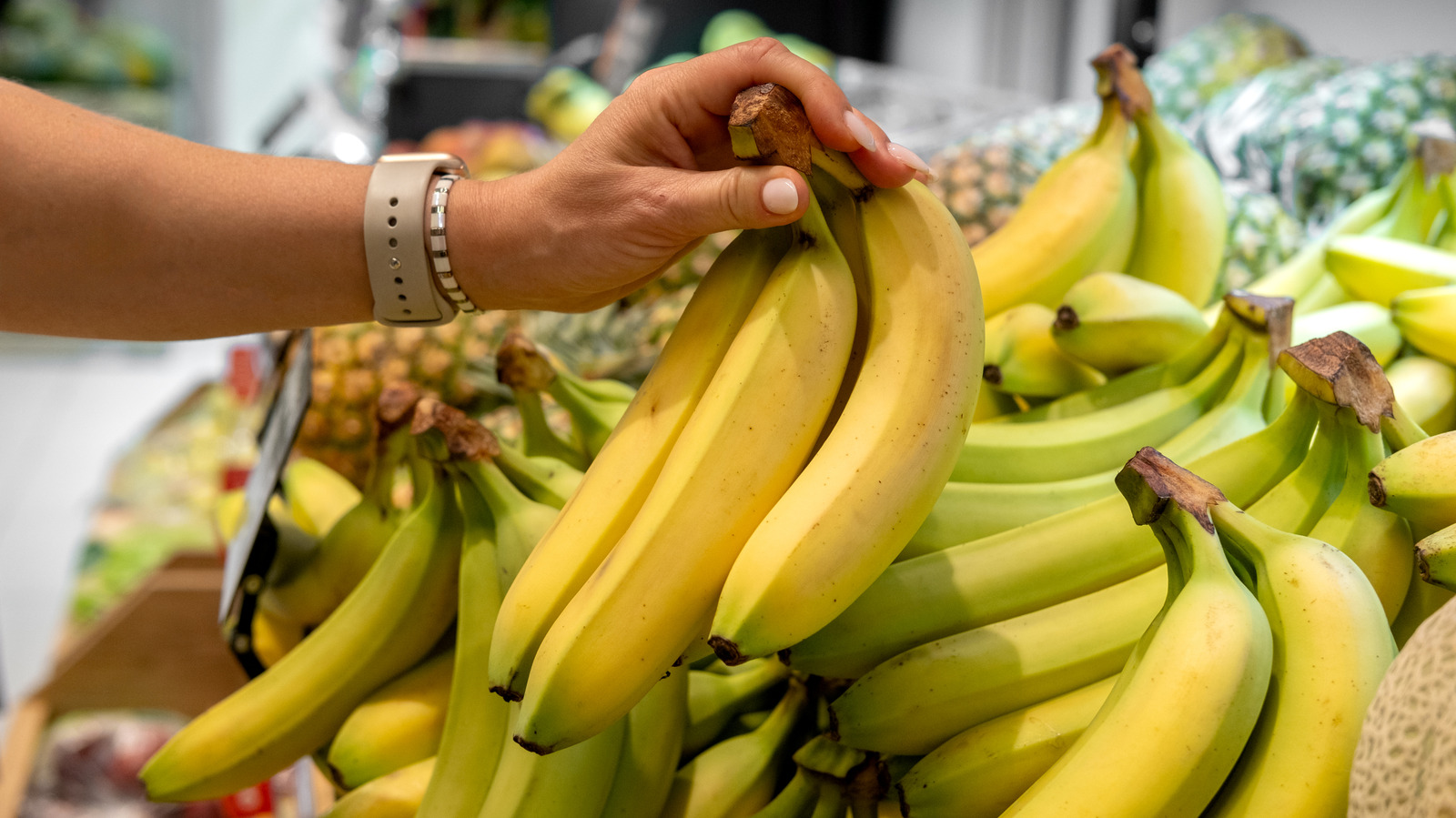
4 months agoThe Staple Ingredient That Has Even More Potassium Than A Banana - Tasting Table
Hypokalemia is what it's called when you have low potassium levels. According to the National Institutes of Health, most Americans do not get enough potassium in their diet. That can lead to a host of health concerns - including decreased brain function, high blood pressure, and an elevated risk of kidney stones in the most extreme cases, and general muscle weakness and tiredness in the least. So you want to make sure you're getting enough in your diet. Adult males should be consuming 3,400 milligrams of potassium per day while women require 2,600 milligrams.
Food & drink
fromInsideHook
8 months agoA New Study Makes the Case for Eating More Potassium
There is some evidence from observational studies to suggest that low plasma potassium levels are associated with increased risk of dangerous alterations in heart rhythms and that potassium levels in the upper normal level have protective effects.
Medicine
fromwww.theguardian.com
8 months agoPotassium-rich diet may cut risk of heart failure by 24%, study suggests
The senior study author, Prof Henning Bundgaard, a professor at Copenhagen University hospital, said: The human body evolved on a potassium-rich, sodium-poor diet when we were born and raised on the savannah and eating [fruit and vegetables]. We [now] tend to go to [a] modern diet that is processed foods and, the more processed, we see more and more sodium in the food and less potassium, meaning that the ratio between the two has changed from 10:1 to 1:2 a dramatic change.
Medicine
[ Load more ]