#nectar-gap
#nectar-gap
[ follow ]
#pollinators #biodiversity #beekeeping #conservation #pollination #gardening #honeybees #climate-change #wildlife
fromTheregister
2 weeks agoBees and hummingbirds get trace alcohol from nectar
A study by researchers at the University of California Berkeley has found that ethanol is surprisingly common in floral nectar, the sugary fuel that keeps pollinators alive. Yeast feeding on those sugars produces trace amounts of alcohol, and in this study, it showed up in 26 of the 29 plant species sampled.
Beer
fromTasting Table
3 weeks agoIs It Safe To Eat Honey If You Have A Bee Allergy? The Answer Is Sticky - Tasting Table
Individuals allergic to bee stings can safely consume honey because the venom produced by bees is not related to honey. The venom is injected through the stinger, while honey is produced from nectar.
Alternative medicine
London politics
fromwww.independent.co.uk
4 weeks agoMarket town pledges to save butterflies from shocking decline in UK first
Gillingham becomes the first UK local authority to commit to a nationwide challenge reversing butterfly population decline through habitat protection, pesticide elimination, and light pollution reduction.
fromArs Technica
4 weeks agoThe science of how fireflies stay in sync
The fireflies were most likely to change their own flashing rhythm in response when the LED blinked almost, but not quite, at the same time as the fireflies. The males would speed up their next flash if the LED blinked just before and waited a bit longer for their next flash when the LED blinked right after.
Science
OMG science
fromwww.theguardian.com
4 weeks agoButterflies crossing oceans, moths navigating by the stars: unravelling the mysteries of insect migrations
Insects, including butterflies and dragonflies, undertake massive long-distance migrations across continents and oceans, with trillions traveling annually over previously unknown routes.
fromwww.independent.co.uk
1 month agoBees can breathe underwater for a week, scientists discover
This study started from a discussion with my co-author and postdoctoral researcher, Sabrina Rondeau, whose recent findings showed that these queens can survive submersion for over a week, which is extraordinary for a terrestrial insect. We wanted to understand how that's even possible.
Science
fromwww.theguardian.com
4 weeks agoSmall changes in how we garden can make a big difference to birds | Letter
Around a third of UK gardeners use pesticides, and our studies found that house sparrow numbers, for example, were nearly 40% lower in gardens where the pesticide metaldehyde was used. By reducing pesticide use, you can actively encourage birds back into your outdoor spaces, as they rely on invertebrates such as slugs and snails as natural prey.
Pets
fromHigh Country News
1 month agoCoyotes and cougars and rats, oh my! - High Country News
An unnamed tourist saw it and told Aidan Moore, who works for Alcatraz City Cruises. Moore told SFGATE that he was initially skeptical, but the guest's iPhone footage left little room for doubt. The video shows, not a sea lion or an otter, but an actual Canis latrans, doggedly dogpaddling, then clambering out of the water, noticeably shaky and struggling to settle tired paws on the craggy rocks.
California
Agriculture
fromwww.theguardian.com
3 weeks agoCountry diary: Daffodils and chiffchaffs are here, the wet months behind us | Virginia Spiers
Spring transforms an abandoned market garden orchard into a landscape of blooming daffodils, fruit tree blossoms, and returning wildlife, revealing seasonal changes in light, warmth, and natural activity.
fromABC7 Los Angeles
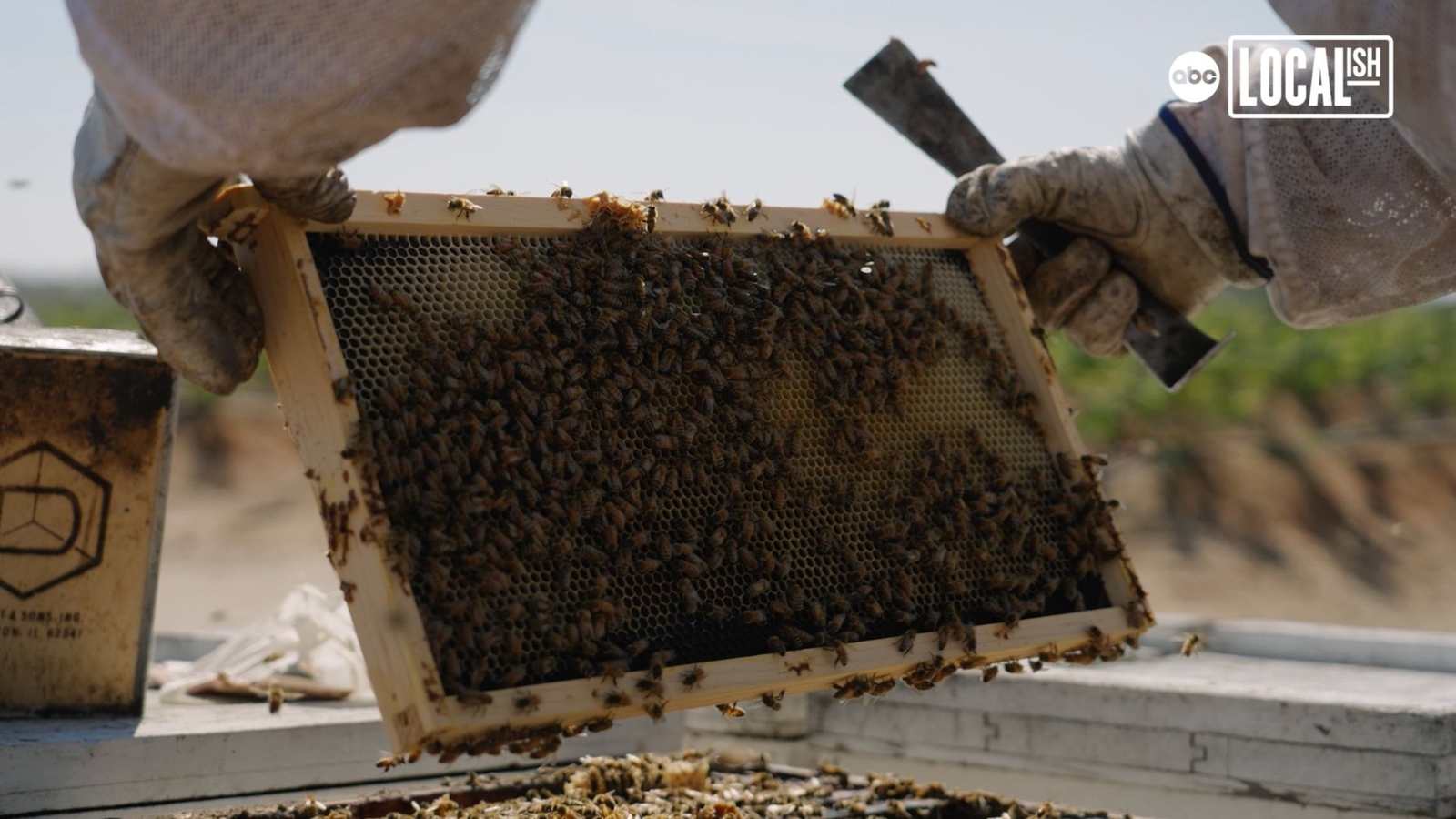
1 month agoWATCH: National Geographic's 'Secrets of the Bees' trailer from executive producer James Cameron
For its fifth anniversary, 'Secrets of' turns its lens to one of Earth's smallest yet most vital heroes: bees. Far more than pollinators, bees are socially complex, fast-thinking individuals and the most important insects on our planet. Their impact on the natural world and humanity is immeasurable, and we're only just beginning to see how extraordinary they truly are.
OMG science
fromwww.ocregister.com
2 months agoWild flower superbloom in Southern California? Experts weigh in on winter rain and what it means for season
First came the heavy winter rains that soaked the soil. Then, the sunny weather not too hot, but just warm enough to fuel the growth. A few more winter rainfalls and Southern California could be ripe for an epic wildflower season in the coming weeks and months. And when they bloom the vibrant colors popping from rolling hills as far as the eye can see thousands of people are bound to seek out their beauty, if past years are any indication.
California
fromwww.scientificamerican.com
1 month agoBaby butterflies fool ants into taking care of them
These caterpillars use a surprisingly complex rhythm like a secret knock to convince the ants to come fetch them. That's according to research published on February 25 in Annals of the New York Academy of Sciences, which found that caterpillars can keep a beat called double meter that has so far been identified only in a couple of primates.
Science
fromNature
2 months agoBiodiversity conservation has an evidence problem - it's time to fix it
Biodiversity loss is continuing at an unprecedented rate, with species becoming extinct at between 100 and 1,000 times the average pre-human, or 'background', rate. Human activities are the main cause. Although there are hundreds of local, regional and international initiatives to conserve and sustainably use species and ecosystems, many conservation scientists worry that measures such as interventions to conserve individual species or incentives to create protected areas are not supported by strong evidence from research.
Environment
fromwww.theguardian.com
1 month agoTropical plants flowering months earlier or later because of climate crisis study
It was previously thought that tropical regions where temperatures fluctuate less over the course of the year would not be so affected by the climate crisis in terms of the timing of flowering. This hypothesis has been proved wrong, said the lead researcher Skylar Graves from the University of Colorado Boulder, who added that nowhere on Earth is unaffected by climate change.
Environment
Environment
fromwww.theguardian.com
1 month agoHow an annual wedding flight' of 1,000 virgin queens is ensuring the revival of Europe's dark bee
Annual mating congregation in Chimay fertilises native European dark bee queens to restore and spread their genes to rebuild colonies across northwestern Europe.
[ Load more ]