#natural-language-processing
#natural-language-processing
[ follow ]
#ai #openai #technology #image-generation #chatgpt #machine-learning #productivity #large-language-models
#ai



Graphic design
fromTNW | Launch
2 days agoOpenAI's new image model reasons before it draws
The new AI model generates coherent images, accurately renders text in various scripts, and integrates advanced reasoning capabilities.


fromNature
3 days agoEvaluating large language models for accuracy incentivizes hallucinations - Nature
Next-word pretraining creates statistical pressure toward hallucination, even with idealized error-free data. Facts lacking repeated support in training data yield unavoidable errors, while recurring regularities do not.
#openai




Privacy technologies
fromTNW | Artificial-Intelligence
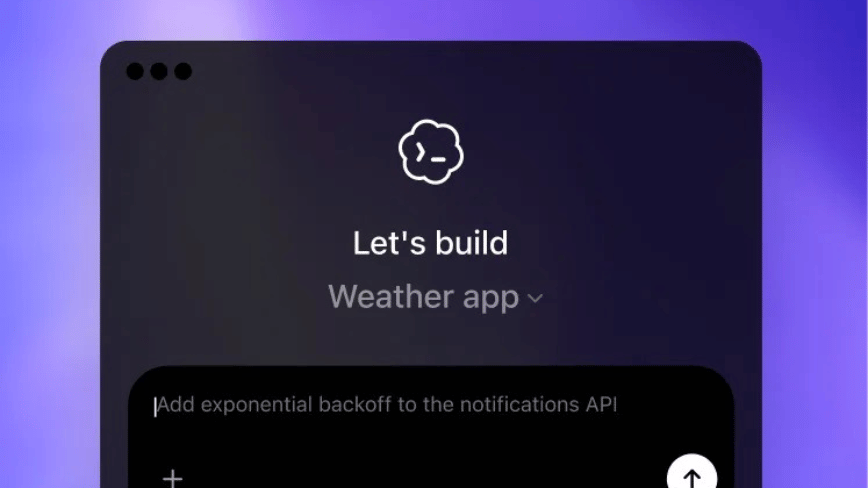
4 days agoOpenAI Codex Chronicle captures your Mac screen to build AI context, with cloud processing and no encryption
Chronicle captures screenshots for AI context, prioritizing cloud processing over local privacy, and requires a Pro subscription and Apple Silicon.
#ai-development
Online learning
fromwww.businessinsider.com
3 weeks agoInside the OpenAI project where freelancers train ChatGPT on everything from farming to commercial flying
Contractors are enhancing ChatGPT's capabilities in specialized fields through Project Stagecraft, employing thousands for data labeling and task creation.


Software development
fromMedium
1 month agoPrecise AI Control: How XML Structured Prompting Revolutionizes Code Generation
XML Structured Prompting is a framework using XML templates with defined stages, constraints, and numbered requirements to generate predictable, production-ready code from AI systems.
fromZDNET
2 months ago5 custom ChatGPT instructions I use to get better AI results - faster
Did you know you can teach ChatGPT how to respond to certain requests? Not only can you give ChatGPT instructions, but they'll stick (mostly) for every session. This feature is called Custom Instructions. It lives in the Personalization tab of ChatGPT's settings. In a minute, I'll show you a set of really powerful directives that can help make you super productive.
Tech industry
fromFortune
1 month agoWe studied chatbots and language and saw a huge problem: They mean 80% when they say 'likely' but humans hear 65% | Fortune
By comparing how AI models and humans map these words to numerical percentages, we uncovered significant gaps between humans and large language models. While the models do tend to agree with humans on extremes like 'impossible,' they diverge sharply on hedge words like 'maybe.' For example, a model might use the word 'likely' to represent an 80% probability, while a human reader assumes it means closer to 65%.
Artificial intelligence
fromFast Company
2 months agoAre LTMs the next LLMs? This new type of AI can do what large-language models can't
A major difference between LLMs and LTMs is the type of data they're able to synthesize and use. LLMs use unstructured data-think text, social media posts, emails, etc. LTMs, on the other hand, can extract information or insights from structured data, which could be contained in tables, for instance. Since many enterprises rely on structured data, often contained in spreadsheets, to run their operations, LTMs could have an immediate use case for many organizations.
Artificial intelligence
[ Load more ]