Arts
fromThe Nation
19 hours agoRevisiting the Advent of the Abstract
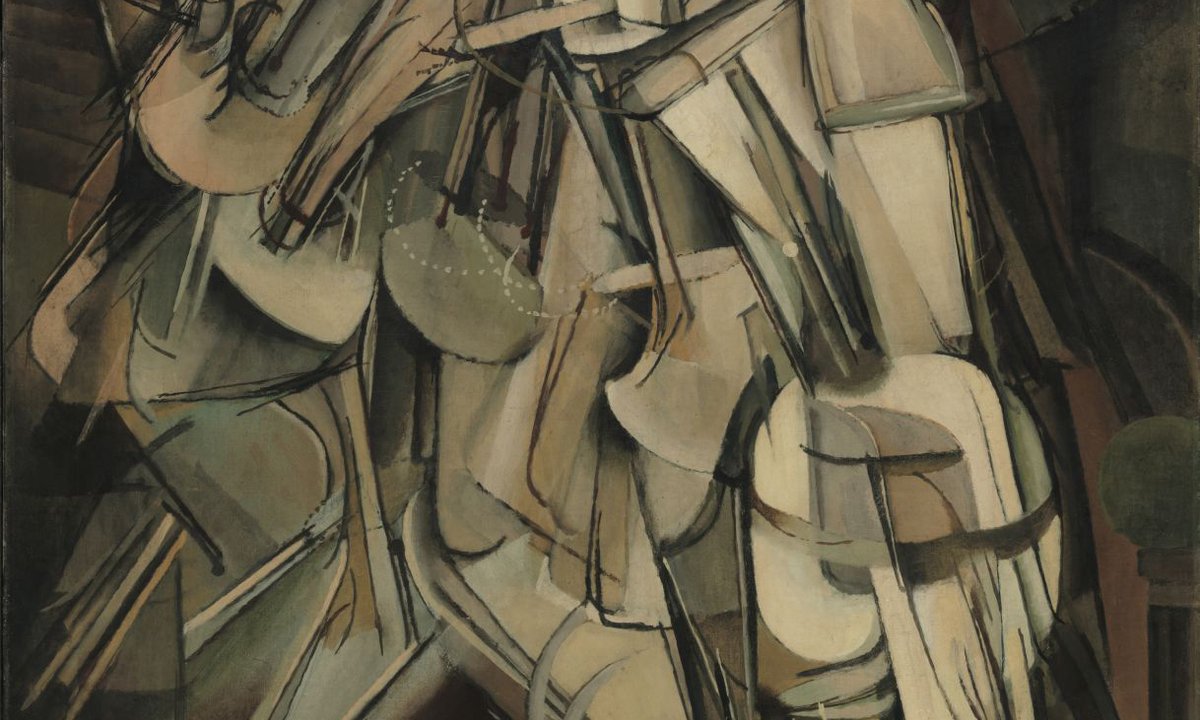
Abstract art's rise is redefined as a practice of self-taught artists rather than solely a product of the avant-garde or historical tradition.
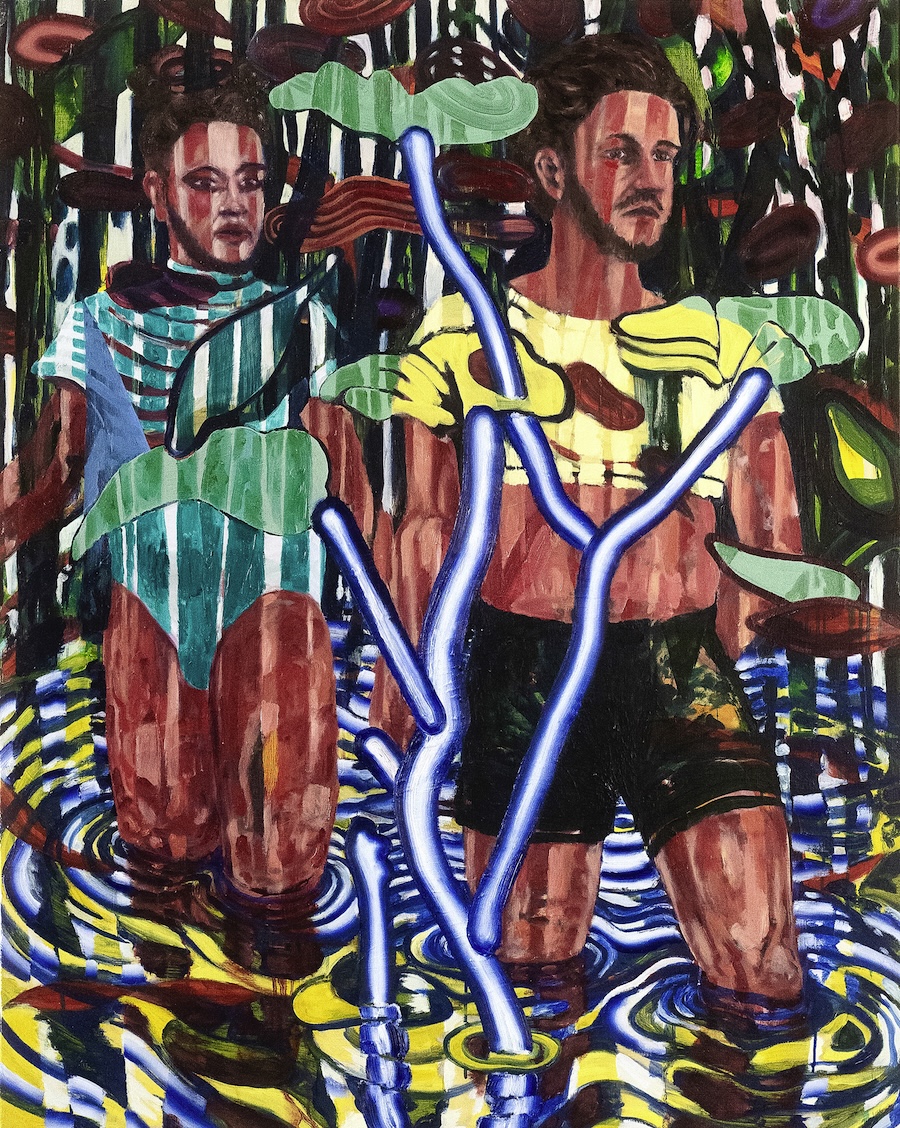
The design elements I would use for my maximalist work takes inspiration from tarpaulin advertisements and posters you would see across Metro Manila. The visual character of these advertisements are really kitsch.
"What we wanted to do was to make this about people. When I came into my role, it was exactly at the time that the pandemic began. We built a team, an idea, and a vision through remote work."
In 1962, the architect Buckminster Fuller envisioned a floating city that would free humanity from its dependence on the Earth. The speculative project consisted of enormous geodesic spheres that would naturally levitate in air warmed by the sun and be anchored to mountaintops.
Much of Instagram's video content is organized around transformation-the virtual magic of the before-and-after and clips that show cause and effect. A person makes pasta from scratch in 20 seconds via edits that compress time-intensive labor.
The courtyard of MoMA PS1 in Queens was buzzing during Wednesday night's opening of Greater New York, now in its sixth edition. Our team shares first impressions from the expansive show, which included more than 50 New York City artists at the beginning of their careers.
Yale came to me and said there isn't an overarching book about the history of printmaking; they wanted it to be about the printed image. There are a lot of books about printing-about the history of journalism or the history of books, the printing press and the printed word-but not so much about the printed image and its processes. So that was my challenge.
Postmodernism began as a critique of modernism's exhausted promises. By the late 1960s and early 1970s, many designers no longer treated modernism as radical or socially redemptive. Urban renewal projects accelerated the demolition of historic neighborhoods, and landmark preservation battles raised urgent questions about what the United States valued and, ultimately, protected. The loss of major civic icons, including New York's Penn Station, sharpened public awareness that progress often arrives through erasure.
On Franklin Street in Brooklyn's Greenpoint neighborhood, one non-commercial gallery fosters 'a small, stubbornly human space for friction.' Friction—the ubiquitous buzzword that captures the simultaneous delight and discomfort of doing things the slow way—is at the heart of artists Pap Souleye Fall and Char Jeré's current show at Subtitled NYC. It also reflects the overall spirit of this little exhibition space and of a burgeoning movement to reject our culture of optimization in favor of a bumpier, more intimate, less alienating experience.