#johnny-carinos
#johnny-carinos
[ follow ]
#texas-roadhouse #steakhouse #italian-cuisine #comfort-food #italian-american-cuisine #casual-dining


fromTasting Table
6 days agoTexas Roadhouse Vs Outback Steakhouse: This Chain Wins For Best Deal On Ribs - Tasting Table
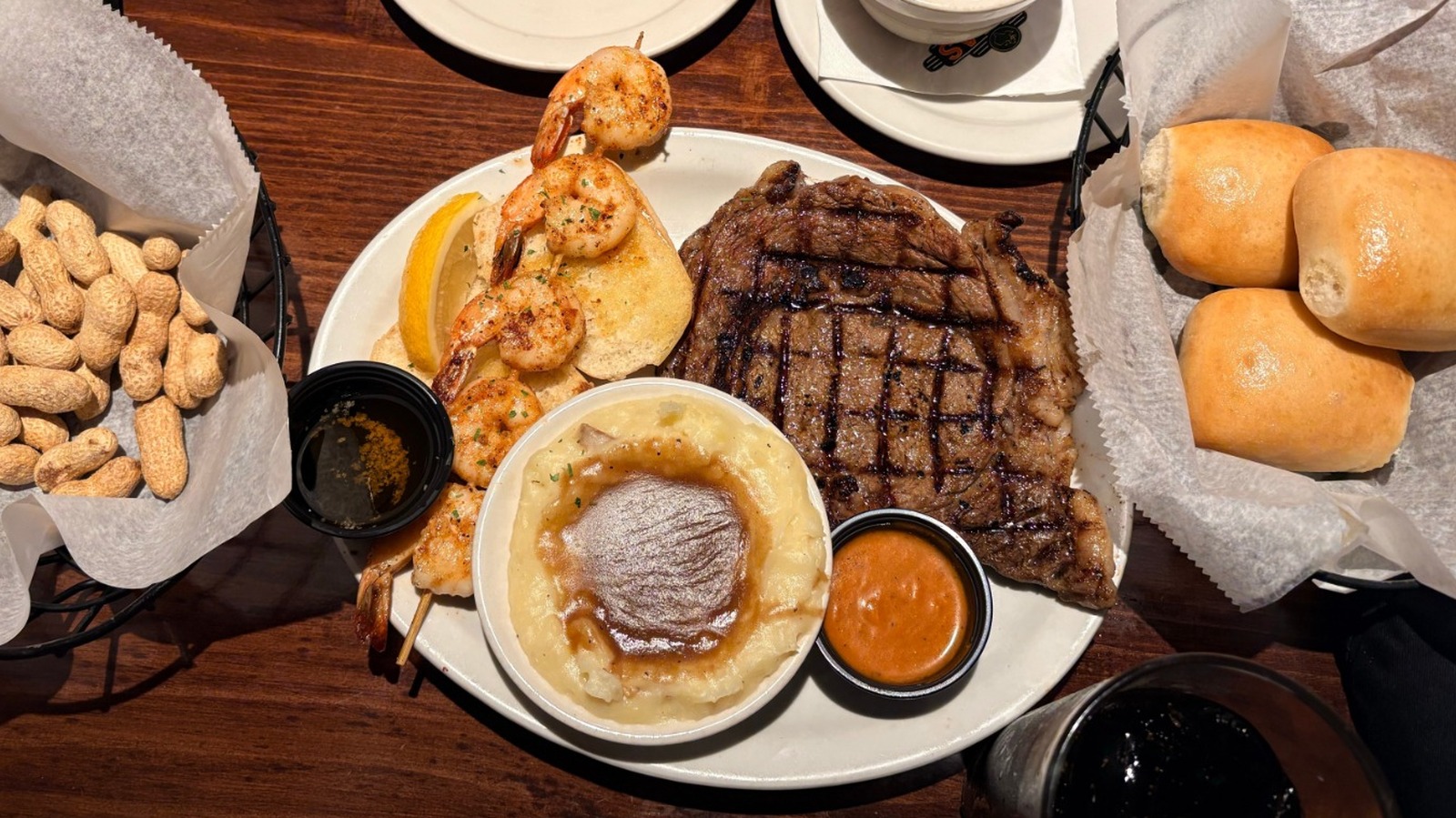
Texas Roadhouse's half slab of slow-cooked ribs is priced at $19.99, while Outback Steakhouse's half-rack baby back ribs cost $24.29, making Texas Roadhouse the more budget-friendly option.
Food & drink
Food & drink
fromTasting Table
6 days agoThe Best Italian Restaurant In Illinois Is This Chicago Eatery Famous For Its Charcuterie - Tasting Table
Lardon in Chicago specializes in artisanal charcuterie, featuring in-house cured meats and cheeses, and has received Michelin recognition for four consecutive years.
Austin
fromTasting Table
1 month agoThe Best Restaurant Prime Rib In Texas, According To Customers - Tasting Table
Bartlett's in Austin is renowned for its perfectly cooked prime rib, served with rosemary salt crust, garlic mashed potatoes, and au jus in 8 or 12-ounce portions, earning consistent praise for quality and value.
East Bay food
fromEater LA
1 month agoThe Pasta Party That Lives in Encino, California
Chef Phillip Frankland Lee's Michelin-starred Pasta|Bar in Encino offers an intimate 12-course tasting menu at $245 per person, featuring handmade pasta, house-grown ingredients, and optional premium upgrades with truffles and caviar.
Chicago
fromTasting Table
1 month agoThis Cozy Italian Restaurant Is A Suburban Chicago Favorite For Comfort Food - Tasting Table
Enzo & Lucia in Long Grove offers authentic Italian cuisine rooted in Northern and Southern Italian family recipes, providing suburban diners with exceptional regional Italian dishes beyond Chicago's city limits.
SF food
fromThe Mercury News
1 month agoNorth Italia, 'a chain restaurant that doesn't feel like a chain restaurant,' is coming to the Bay Area
North Italia, an Italian restaurant chain founded 23 years ago in Arizona, opens its 49th location in downtown Walnut Creek on March 25, featuring fresh daily pasta, seasonal menus, and weekend brunch service.
fromThe US Sun
3 weeks agoUpmarket Texas Roadhouse alternative expanding for first time in 200 years
As new steakhouses and restaurant concepts continue to open across Midtown, what sets Delmonico's apart is something few competitors can claim - nearly two centuries of New York culinary history and a deep understanding of the city's dining culture.
Food & drink
fromwww.mercurynews.com
1 month agoNorth Italia, a chain restaurant that doesn't feel like a chain restaurant,' is coming to the Bay Area
North Italia will plant its flag in downtown Walnut Creek, with a March 25 opening scheduled. The 8,500-square-foot dining room and alfresco bar will offer seating for 200. For starters, brunch every weekend and lunch every weekday, with hours from 11 a.m. to 4 p.m., at which point the dinner menu kicks in.
East Bay food
fromTasting Table
1 month agoThis Part Of The Texas Roadhouse Menu Costs More Now, But Fans Say It's Still Worth It - Tasting Table
With the increased beef prices the last couple years, it's a pretty slim profit margin even at 12.99. Please find me any other restaurant where you can get a legit good steak dinner with salad & potato for $13.
Dining
fromTasting Table
1 month agoA Napkin And A Dream - How Texas Roadhouse Came To Be The Chain We Know Today - Tasting Table
When a business succeeds, it isn't necessarily because of some intricate business plan or elaborately devised model. Such is the case with Texas Roadhouse, a concept that was initially written down on a cocktail napkin before it blossomed into the enterprise we know today. As soon as founder Kent Taylor found investors for his dream, he quickly sketched out his vision using the resources available to him.
Silicon Valley food
fromTasting Table
2 months agoThe Best Pizza In Texas, Hands Down - Tasting Table
When surveying the best pizza places in every state, one Dallas-based operation stands out in the Lone Star State. Cane Rosso delivers on its claim of serving up the most authentic wood-fired Neapolitan pizzas in Texas. Restaurant owner Jay Jerrier first tasted true Neapolitan pizza during his honeymoon in Italy, and the experience changed his life. The fresh flavors and creamy cheese had a lasting impact on the entrepreneur and inspired him to learn how to make fresh mozzarella and use a wood-burning oven.
Food & drink
Food & drink
fromConde Nast Traveler
2 months ago9 Best Restaurants in San Antonio, a Taco Town With Plenty More on the Menu
San Antonio’s food scene blends long Mexican-American culinary traditions with creative international influences, offering tacos, regional Mexican dishes, and inventive barbecue across neighborhoods.
Food & drink
fromTasting Table
2 months agoTexans Have Been Eating At This Cafeteria-Style Chain For Generations - Tasting Table
Luby's is a longstanding Texas cafeteria chain offering homestyle, freshly prepared comfort food via cafeteria service, with value meals, popular square fish, and family-friendly specials.
Food & drink
fromTasting Table
3 months agoWhy Some Customers Say Texas Roadhouse's Food Quality Isn't What It Used To Be - Tasting Table
Texas Roadhouse customers report declining food quality, notably inconsistent steaks and tougher bread rolls, amid suspected cost-cutting and frequent menu price increases.
Food & drink
fromTasting Table
2 months ago'Small Place. Big Impression.' - VanHorn's Is The Austin Steakhouse That Gets Every Classic Right - Tasting Table
VanHorn's in Austin recreates an old-school New York chophouse ambiance with dry-aged steaks, a robust bourbon list, attentive service, and classic steakhouse dishes.
fromBon Appetit
2 months agoHow Carbone Put the Red Sauce Joint on the World Stage
This story starts with mass migration. In the late 19th century, economic conditions in Southern Italy had deteriorated and millions of Italians set sail for America in search of opportunity and the gold-paved streets of which they'd been told. Many settled in the northeastern United States, sometimes strictly segregated by region. In New York's Little Italy, Sicilians lived on Elizabeth Street, Calabrians on Mott. The newly settled immigrants did their best to cook familiar foods with the ingredients available in this unfamiliar country. Their children did the same, and then their grandchildren. Dish by dish, Italian American cuisine was born, a hybrid culinary tradition that has become inextricably woven into our country's foodways.
Food & drink
Food & drink
fromTasting Table
1 month ago'Best I've Ever Had' - The Chain With The Best Spaghetti And Meatballs, According To Reviews - Tasting Table
Bravo! Italian Kitchen serves highly-rated spaghetti and meatballs made with beef and pork, considered among the best versions at chain restaurants despite the company's recent bankruptcy.
[ Load more ]