Jane Austen was born 250 years ago today, making her a few months older than American independence, 14 years older than the French Revolution, and 25 years older than the electric battery. Like many other English women of her era, she lived primarily in small towns in the countryside, and because she never married, she spent much of her time helping to care for her aging mother and doling out advice to her nieces. Yet unlike most of her peers, who have vanished into history, the 250 th anniversary of Austen's birth has been cause for celebration across the world. From her superficially quiet life in the English countryside, Austen wrote six novels that became, and have remained, among the most beloved works of English literature.
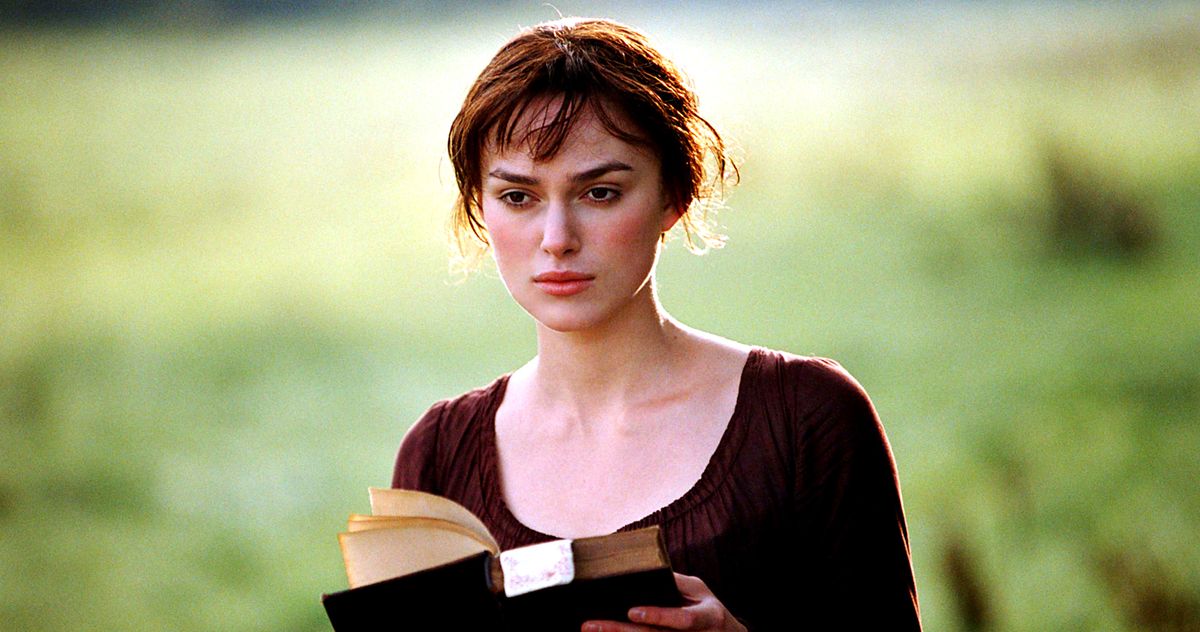
On Dec. 16, 1775, a girl was born in Steventon, England the seventh of eight children to a clergyman and his wife. She was an avid reader, never married and died in 1817, at the age of 41. But in just those few decades, Jane Austen changed the world. Her novels have had an outsize influence in the centuries since her death. Not only are the books themselves beloved as sharply observed portraits of British society, revolutionary narrative projects and deliciously satisfying romances but the stories she created have so permeated culture that people around the world care deeply about Elizabeth Bennet and Mr. Darcy, even if they've never actually read Pride and Prejudice.
In her six completed novels, Jane Austen excelled at love stories: Elinor and Edward, Lizzie and Darcy, Fanny and Edmund, Emma and Knightley, Anne and Wentworth, heck even Catherine and Tilney. As her fans celebrate the 250th anniversary of her birth, they'd like you to know it's a mistake to simply dismiss her work as light, frothy romances. It's full of intricate plots, class satire and biting wit, along with all the timeless drama of human foibles, frailties and resolve.
In an early scene in Kate Evans' Patchwork: A Graphic Biography of Jane Austen, she depicts 3-month-old, bundled-up baby Jane being smuggled out through the back door of her family's large home. The man who takes the baby is John Littleworth, a local tenant farmer, whose wife, Elizabeth, will care for the infant in their modest cottage for a small fee until Jane, at 2 years old, is returned.
News that Andrew Davies the man behind the nation's most beloved Pride and Prejudice adaptation is planning to have Jane Austen's Emma die in childbirth drew gasps from audiences at Cliveden literary festival last weekend. Davies is planning to explore the dark undercurrents of Austen's work in adaptations of Emma, Mansfield Park and unfinished novel The Watsons, and while his ideas may shock those fans wedded to Austen as a romcom author, I couldn't be happier.
I was born in the wrong century or so my mother says, while I protest from my writing bureau, wax seal in hand, ready to dispatch an Austen-style letter to a friend. But as I put out the candle flame with my antique snuffer, I wonder if she might be right. For me, the past has always felt like home I grew up on a literary diet of classic fiction, seasoned with a love of my Regency hero, Jane Austen.
A cross-cultural, British-and-Bollywood-meets-Hollywood take on Austen's most famous novel, the film is pure joy a riot of original musical numbers, colourful costumes, chaos, culture clashes and, of course, romance. You may think it wouldn't work, but it does. Released after the huge success of Bend It Like Beckham, Chadha spent two years filming Bride &Prejudice across three continents. It's a homage to the Bollywood films she grew up watching with a modern, western twist a cinematic expression of her hybrid identity.