#insect-communication

[ follow ]
fromNature
1 day ago

Little ants groom big ones in a desert spa

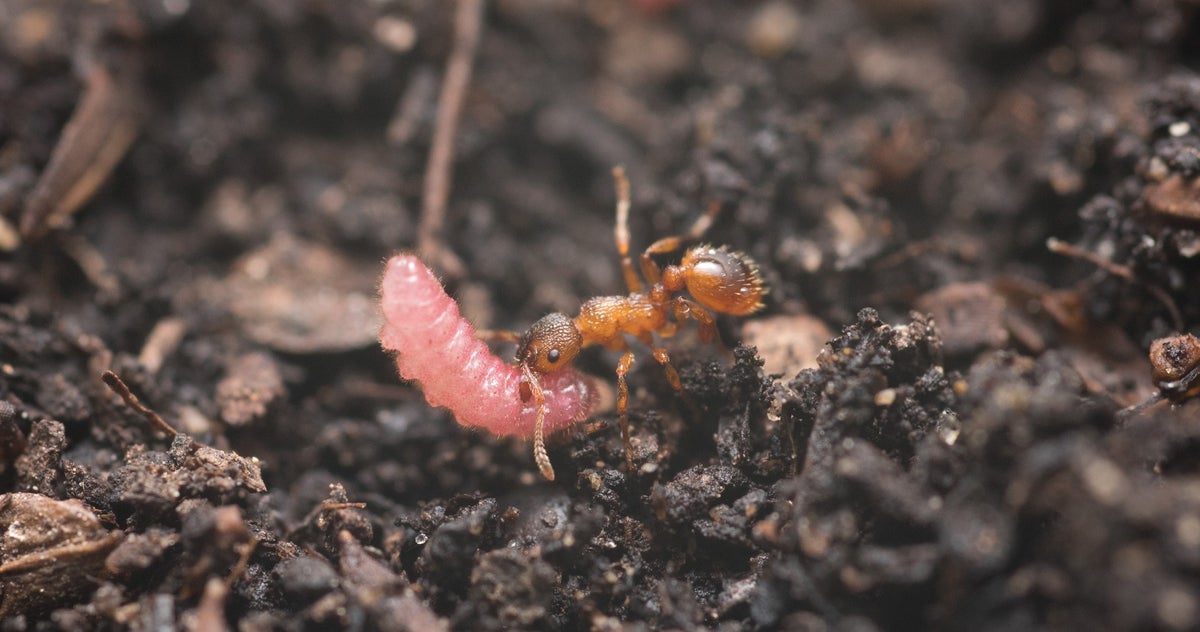
Pogonomyrmex barbatus harvester ants have been observed making regular visits to the nests of much smaller ants, which groom these larger visitors. This behavior represents the first known example of mutualism between different ant species, showcasing the intricate social dynamics within ant communities.
Pets
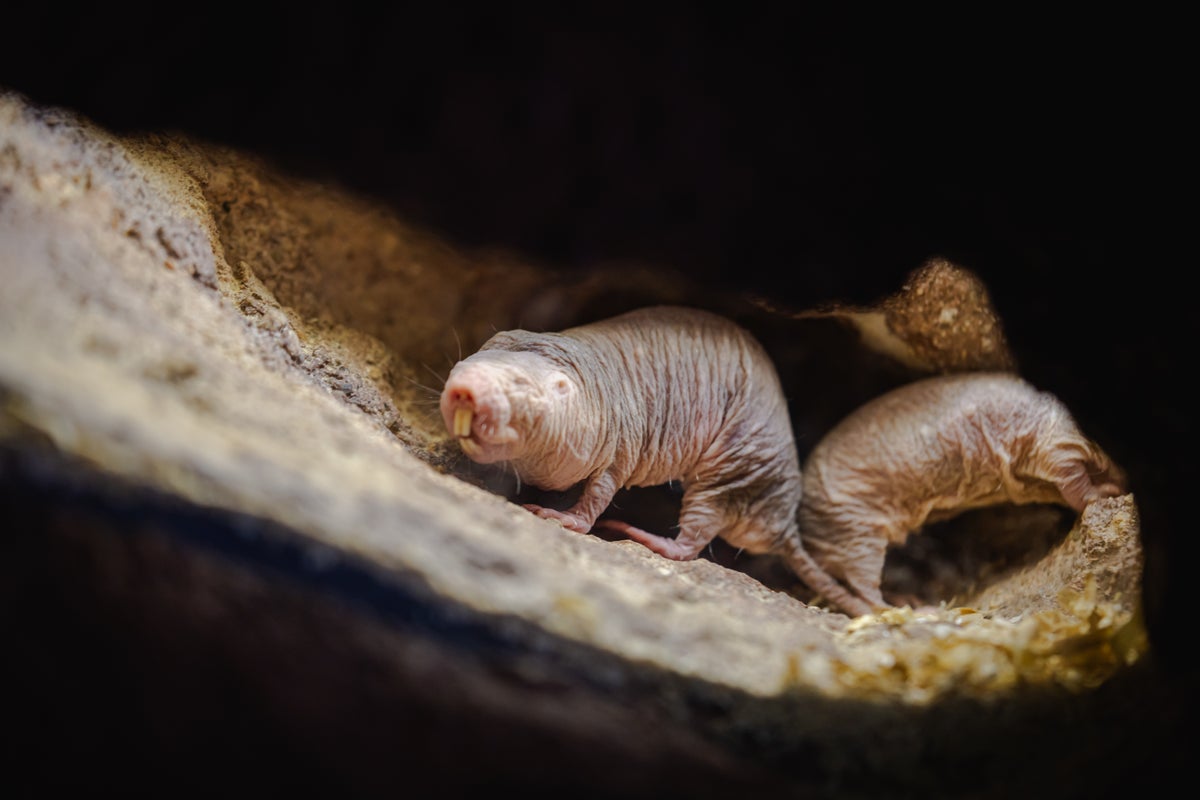
#naked-mole-rats
Roam Research
fromwww.theguardian.com
4 days ago

How much have we missed?': book tunes in to overlooked world of female birdsong

Female birdsong is often overlooked, but females sing for territory, to deter rivals, and attract mates, challenging traditional narratives about bird vocalization.
Philosophy
fromPsychology Today
5 days ago

Animal Minds: Can We Really Know What They Think and Feel?

Challenges in studying animal minds can strengthen scientific understanding and foster a deeper connection with nonhuman species.
#honeybees
Agriculture
fromFast Company
1 week ago

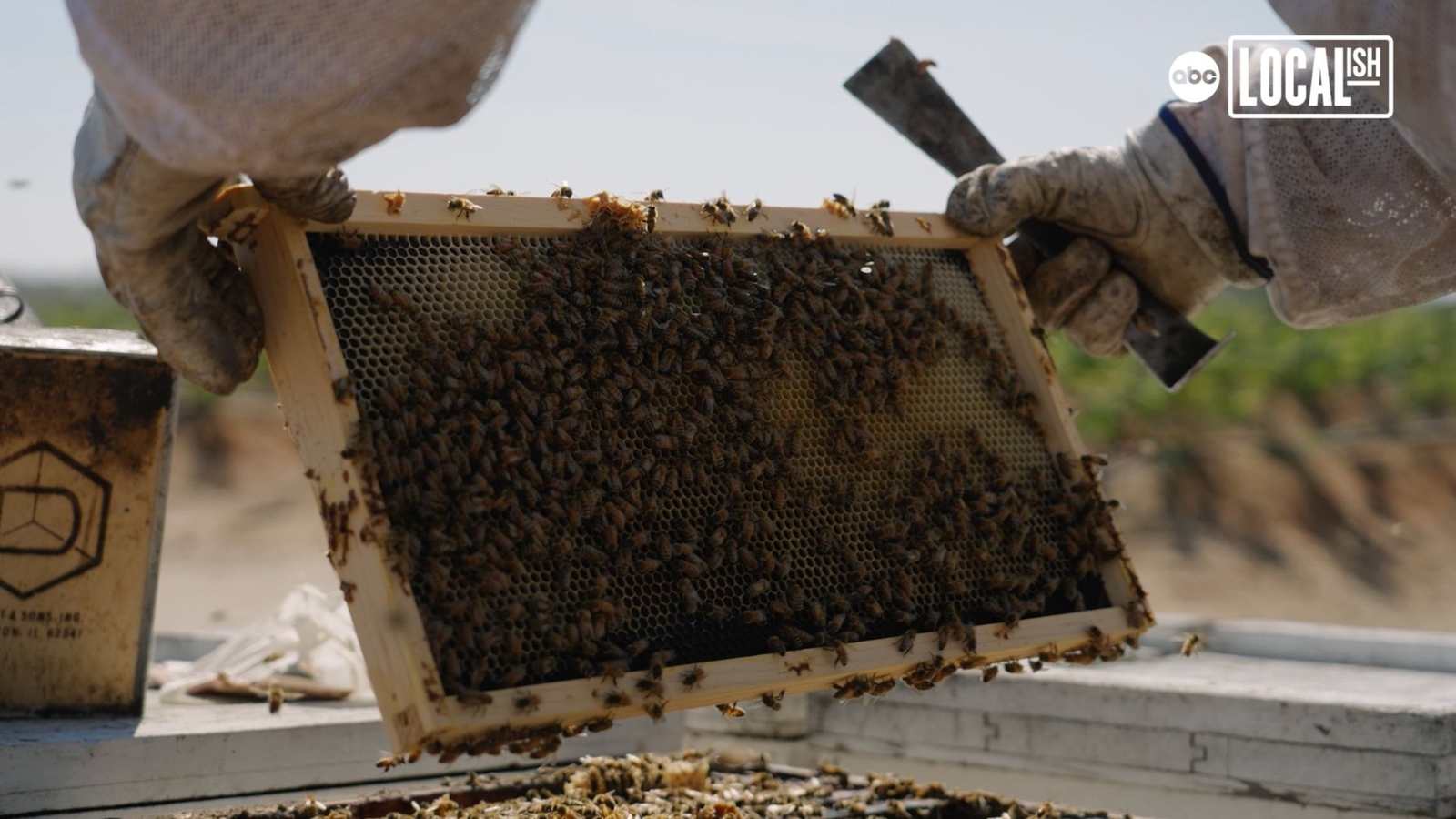
Are the bees still dying? The scary truth behind the continuing 'beepocalypse'

Honeybee populations are declining, with commercial beekeepers facing unsustainable losses despite claims of saving them.
fromTheregister
3 weeks ago

Bees and hummingbirds get trace alcohol from nectar

A study by researchers at the University of California Berkeley has found that ethanol is surprisingly common in floral nectar, the sugary fuel that keeps pollinators alive. Yeast feeding on those sugars produces trace amounts of alcohol, and in this study, it showed up in 26 of the 29 plant species sampled.
Beer
OMG science
fromFuturism
1 month ago

Scientists Recruit Undergrad to Step Into Room Filled With Ravenous Mosquitoes for "Full-Body Massacre"

Georgia Tech's study reveals how mosquitoes select prey, demonstrating their behavior changes based on visual and chemical cues from targets.
fromArs Technica
1 month ago

The science of how fireflies stay in sync

The fireflies were most likely to change their own flashing rhythm in response when the LED blinked almost, but not quite, at the same time as the fireflies. The males would speed up their next flash if the LED blinked just before and waited a bit longer for their next flash when the LED blinked right after.
Science
Roam Research
fromwww.npr.org
1 month ago

These roaches form exclusive long-term relationships after eating each other's wings

Wood-feeding cockroaches exhibit pair bonding behavior, suggesting insects possess more sophisticated cognition and social capabilities than previously believed.
OMG science
fromwww.theguardian.com
1 month ago

Butterflies crossing oceans, moths navigating by the stars: unravelling the mysteries of insect migrations

Insects, including butterflies and dragonflies, undertake massive long-distance migrations across continents and oceans, with trillions traveling annually over previously unknown routes.
#animal-communication
Pets
fromwww.scientificamerican.com
1 month ago

What animal are you? Humans and animals tend to like the same mating calls

Humans and animals tend to prefer the same mating calls, suggesting humans are more attuned to animal acoustic signals than previously understood.
Pets
fromMail Online
1 month ago

What mating call do YOU find most appealing? Take the test

Humans and animals share remarkably similar preferences for mating calls, with people consistently choosing the same calls that females of various species prefer.
Agriculture
fromwww.theguardian.com
1 month ago

Plantwatch: the Natal crocus co-opts fire, bees and ants to reproduce

The Natal crocus uses fire, bee pollination, and ant seed dispersal, with seeds mimicking ant larvae scent to trick ants into transporting them to nests.
Roam Research
fromDefector
1 month ago

Even After Being Eaten, This Beetle Has Two Ways Out Alive | Defector

The Japanese water scavenger beetle Regimbartia attenuata survives passage through a frog's digestive system and exits alive within minutes to hours.
Science
fromDefector
1 month ago

This Pink Bug Is Not A 'Rare Freak Mutant' After All | Defector

A neon pink katydid discovered in Panama challenges the century-old assumption that pink coloration in these insects is a disadvantageous mutation, suggesting it may provide evolutionary advantages.
fromPsychology Today
1 month ago

The Real Science of Smell and Attraction

Unlike sight or sound, smell has a direct pathway to the amygdala and hippocampus-the regions involved in emotion and autobiographical memory. Because of this connection, memories triggered by scent are often more vivid and emotionally intense than those triggered by sight.
Psychology
fromwww.independent.co.uk
1 month ago

Bees can breathe underwater for a week, scientists discover

This study started from a discussion with my co-author and postdoctoral researcher, Sabrina Rondeau, whose recent findings showed that these queens can survive submersion for over a week, which is extraordinary for a terrestrial insect. We wanted to understand how that's even possible.
Science
Pets
fromwww.theguardian.com
1 month ago

I love vultures, mosquitoes and, yes, even wasps. This is why you should too | Jo Wimpenny

Humans hold irrational emotional biases toward animals; wasps deserve reconsideration as valuable pollinators and pest controllers despite negative perceptions.
Environment
fromMail Online
2 months ago

Ominous warning for humanity as insects mysteriously 'fall silent'

Rapid global insect declines threaten pollination, food production, nutrient availability, and human health, signaling imminent ecological instability.
Science
fromNature
2 months ago

Daily briefing: Blister beetles hoodwink bees with floral smells

Beetle larvae imitate floral scent to parasitize bee nests; Greenland is a global research hotspot; atmospheric microplastic concentrations may be much lower than reported.
Psychology
fromPsychology Today
1 month ago

Animal Consciousness: Behavioral Flexibility is Ubiquitous

Consciousness exists across diverse species including insects, demonstrating that humans are not uniquely conscious and behavioral flexibility indicates sentience in nonhuman animals.
Environment
fromNature
1 month ago

Limited thermal tolerance in tropical insects and its genomic signature - Nature

Tropical insects face severe heat vulnerability due to climate warming, with sparse data on thermal tolerances and limited capacity for adaptation to rising temperatures.
OMG science
fromKqed
4 months ago

This Stick Insect Has a Peppermint-Scented Secret Weapon | Deep Look | KQED

Peppermint stick insects spray actinidine-based pepperminty chemicals from birth to deter predators and rely on Pandanus plants for the chemical precursor.
Science
fromNature
2 months ago

Parasitic wasps use tamed virus to castrate caterpillars

A parasitic wasp uses a domesticated virus to kill moth larvae testis cells, effectively castrating its hosts and benefiting wasp reproduction.
fromKqed
2 months ago

What an Insect View Really Looks Like | KQED

On a spring day in 1694, Antonie van Leeuwenhoek - the father of microbiology - used a magnifying lens to look at a candle through the dissected eye of a dragonfly. But instead of seeing 1 candle flame, he saw hundreds of tiny flames, repeated over and over. But spoiler alert - this is not how insects see. Hi, I'm Niba, and today we're going to explore how insects really see the world.
Science
Science
fromKqed
9 months ago

The 4 Most Ruthless Ants We've Ever Filmed | KQED

Fire ants form body rafts during floods, using larvae with air-trapping hairs for buoyancy and increased defense while afloat.
Science
fromLos Angeles Times
2 months ago

A SoCal beetle that poses as an ant may have answered a key question about evolution

A rove beetle suppresses its own pheromones, adopts ant cuticular hydrocarbons to infiltrate colonies, and permanently sacrifices its waxy waterproofing.
Science
fromKqed
7 months ago

These Lovebugs Have Attachment Issues | KQED

March flies emerge synchronously, males use holoptic eyes and mate-guarding attachments during aerial or flower-based courtship, and the pairing contributes significantly to pollination.
Science
fromKqed
7 months ago

Tiger Beetles Bite First, Ask Questions Never | KQED

Tiger beetles run at extreme speeds but use rapid stops and forward antennae to sense obstacles and capture prey with sickle-shaped mandibles.
Science
fromwww.npr.org
2 months ago

What monogamy in the animal world tells us about ourselves

Monogamy varies widely among mammals; humans rank relatively high, while species such as beavers and Ethiopian wolves exhibit stronger pair-bonding.
Science
fromwww.scientificamerican.com
1 month ago

Scientists created a digital library full of ants

Researchers created Antscan, a digital library of 3D scans and morphological data from 2,193 ants across 212 genera, using particle accelerator technology to advance biodiversity research and understanding of ant anatomy.
Science
fromwww.theguardian.com
2 months ago

Plantwatch: oldest known seed plants heat up for sex to attract pollinating insects

Cycads heat their reproductive cones to attract species-specific beetle pollinators using infrared-tuned antennae, with male cones warming earlier to ensure pollen transfer.
Science
fromSilicon Canals
2 months ago

9 natural disaster warning signs animals display before humans notice anything wrong - Silicon Canals

Animals often detect imminent natural disasters through subtle environmental cues and flee before humans.
Science
fromKqed
2 months ago

Hide! 4 Tiny Animals That Go Undercover In Style | KQED

Decorator crabs use seaweed, anemones, and hooked hairs to camouflage, while glasswing butterflies and Australian stick insects employ transparent or twig disguises.
[ Load more ]