Healthcare
fromBusiness Matters
1 day agoRX Pros and the Rise of Digital Healthcare Access
RX Pros connects patients with healthcare professionals and pharmacies to streamline access to medical treatments, particularly for weight loss.
I was devastated. I had been able to get Zepbound for a $30 monthly copay and had lost 50 pounds in a year. The drug helped me focus on being a new mom and gaining strength at the gym, not just counting calories burned.
Amy-Jane Davies has been on six NHS waiting lists for 21 months, primarily for gynaecological surgery related to her endometriosis. Her symptoms include abdominal cramping, severe bloating, migraines, and fatigue, which have drastically affected her daily life.
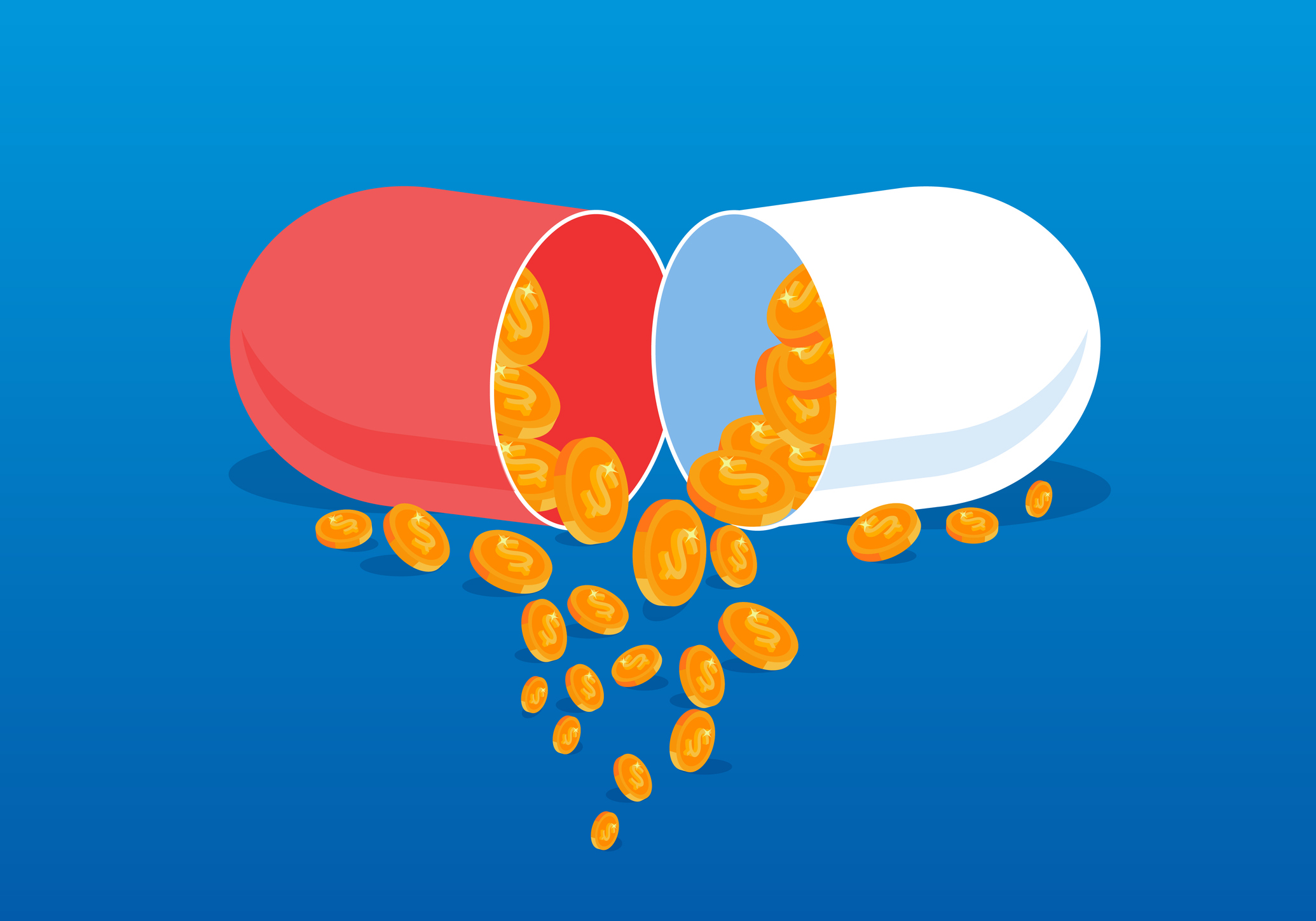
Senate Republicans voted in the early hours of Thursday morning to reject an amendment offered by Sen. Bernie Sanders that aimed to cut US prescription drug prices in half by mandating that Americans pay no more for medications than people in Canada and other wealthy nations.
Patients are increasingly selective in choosing their healthcare providers, demanding convenience, transparency, and personalised service at each point of contact. Dental practices understand that a positive patient experience can lead to strong word-of-mouth referrals and favourable online reviews, which directly impact their reputation in the market.
In light of the systemic dismantling of America's public health agencies, these moves essentially create a shadow infrastructure to maintain some of what is being lost. While this is a promising development, it does nothing to stop a troubling trend that has been emerging for some time: The country is quickly becoming fragmented along partisan lines when it comes to public health.
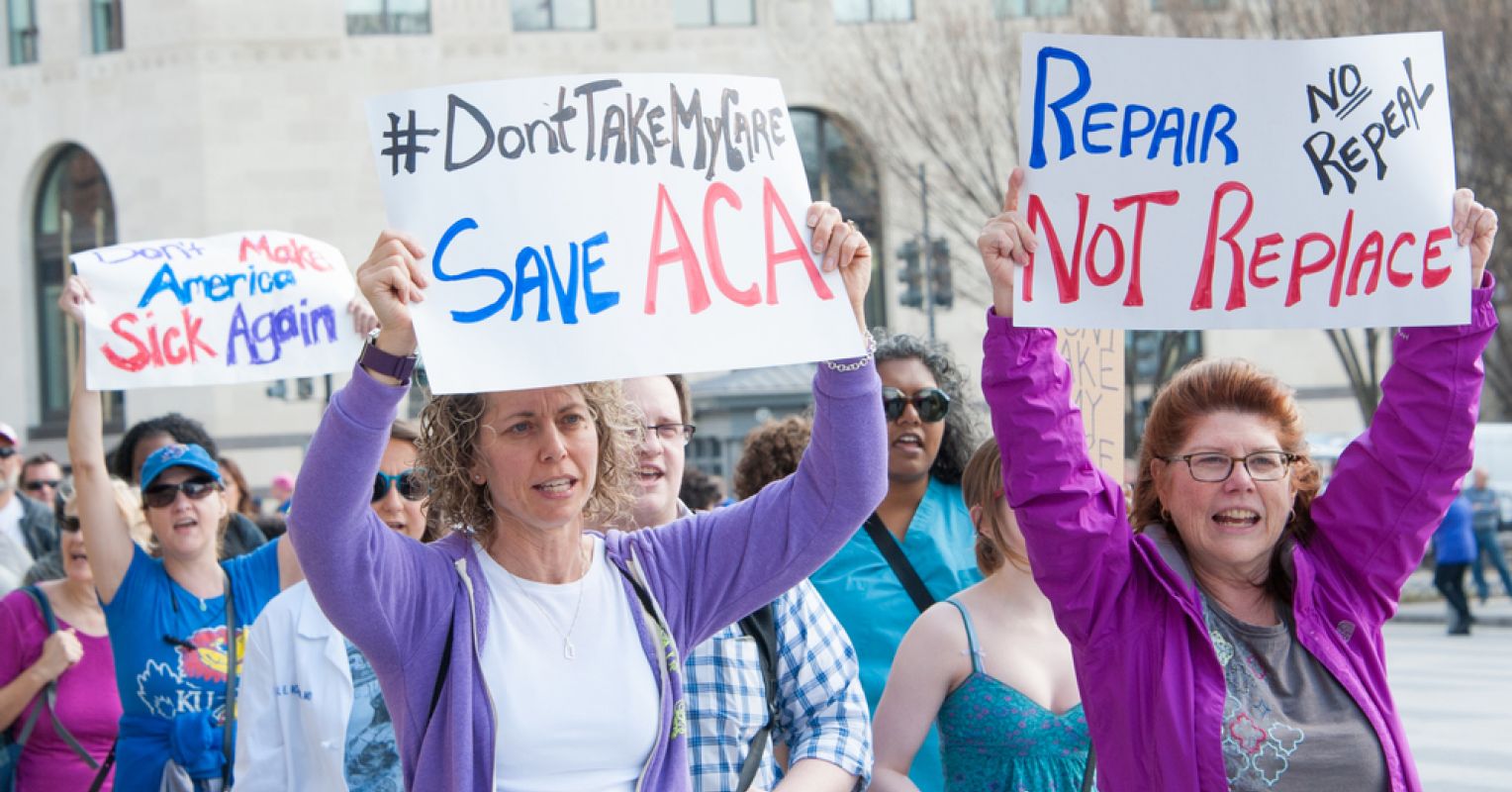
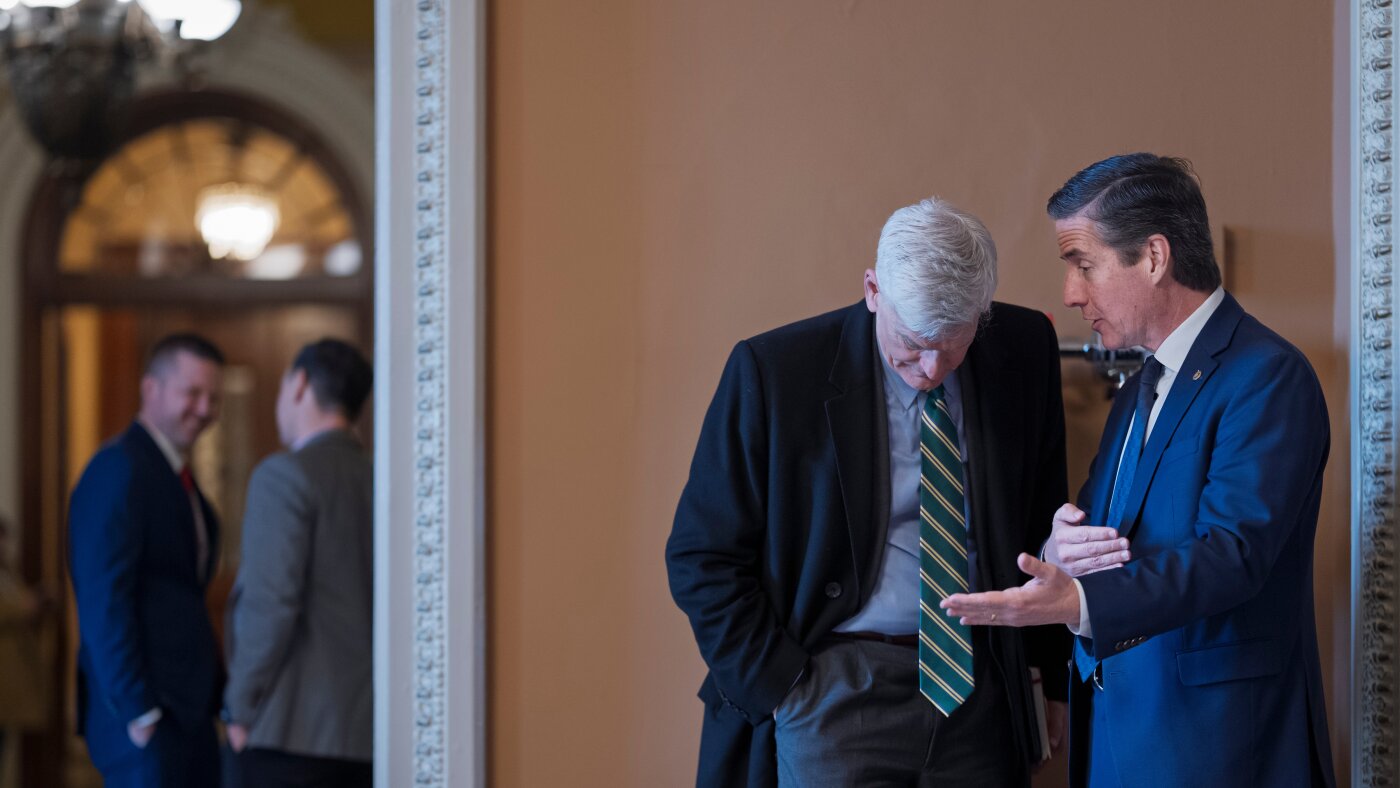
A month ago, Sen. Bernie Moreno, R-Ohio, was projecting confidence that a bipartisan group of lawmakers was nearing a deal to restore lapsed health insurance subsidies. The enhanced Affordable Care Act subsidies expired at the end of last year, despite a majority of Americans in favor of Congress renewing them, according to polling from the nonprofit KFF. "We're in the red zone," Moreno told reporters. "But that does not mean a touchdown. It could mean a 95-yard fumble."
The 340B program allows hospitals to buy outpatient drugs at steep discounts, with the purported purpose of helping them fund care for low-income and uninsured patients. The now-axed rebate model would have invited drugmakers to participate voluntarily in a rebate-based discount system. Basically, instead of the provider receiving a discount upfront at purchase, the 340B discount would be applied after purchase via rebate - and subject to tedious data submission requirements.
Medical inflation runs on its own clock, and the coverage decisions you make at 65 determine whether a serious illness costs you a manageable sum or a devastating one. Healthcare is the single most unpredictable variable in retirement planning because it combines three separate uncertainties: how fast costs will rise, how much care you will need, and which coverage structure you choose.