fromSilicon Canals
4 days ago
Psychology

Sitting in the audience, listening to these professionals in perfect harmony, brought me back to my days in the band. I wasn't good, it was mandatory, and I played the trombone. I desperately wanted to quit. We couldn't have backpacks in school, so I walked through the halls lugging my trombone in my right hand and books under my left armpit. This made me a perfect target for a bully or two to come up behind me and smack the books out from under me.
I used to think they were just genetically blessed or had superhuman willpower. But after years of observation and my own fitness journey, I've realized something crucial: naturally fit people don't force themselves to do healthy things. They've simply developed habits that run on autopilot. Meanwhile, those struggling with fitness are constantly battling themselves, forcing behaviors that feel unnatural and exhausting.
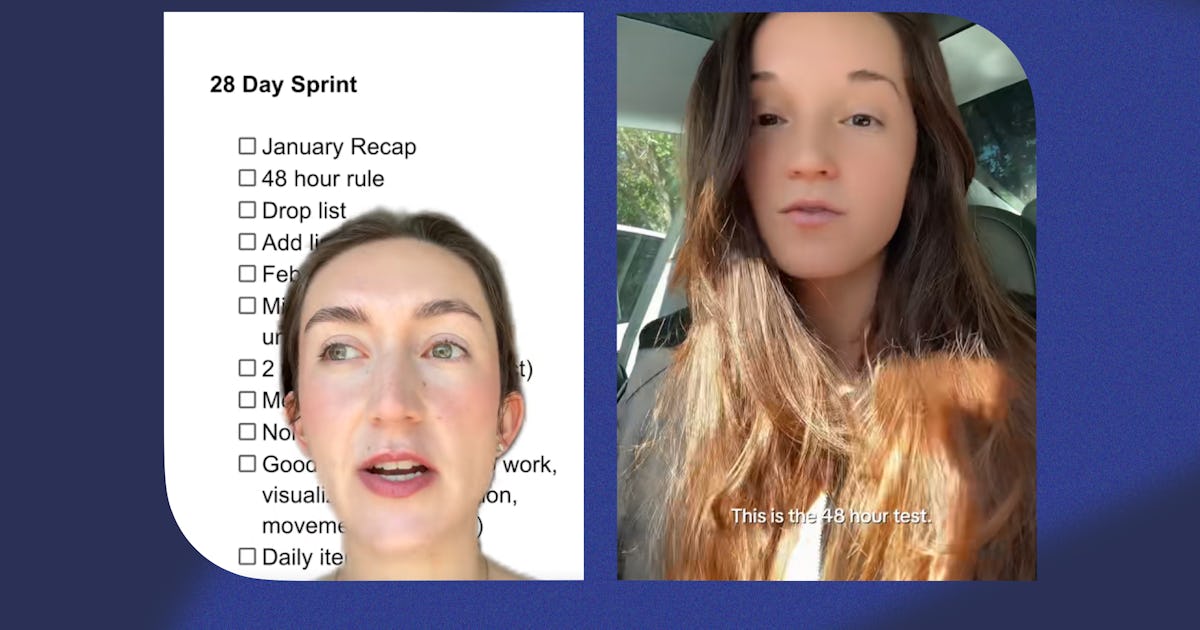
Throughout the week, keep an eye out for all the habits that keep you on edge - like waking up super late, putting off projects, leaving texts on read, driving around on E - and make it your mission to stop. Get the gas, answer your friend, set the alarm. Even if you just change one thing, it could relieve some pressure, and add some much-needed structure into your schedule.
Sometimes Warren Buffett says something so simple, so obvious, that you almost want to roll your eyes. At 95 years young, he has offered plainspoken advice that has shaped one of the most successful careers in history. But when you hear it, you know it's truth and part of you wonders: Why haven't I applied this yet? When we slow down long enough to sit with some of his wisdom-really let it sink in, not just skim it on our phones-
First, it is wired to conserve energy. When the brain detects repetition, it builds automated shortcut circuits-habits-that allow us to act with minimal effort or conscious thought. Once a habit forms, it is stored in a more automatic part of the brain. A simple trigger can then launch an entire behavioral sequence with very little energy-much like clicking a shortcut on a computer. This is not a flaw. It is an extraordinary efficiency feature.
Are there people you wish you could be more like? You have goals, such as to speak up more, to stop and breathe when you get angry, or to listen with more curiosity before declaring your opinion. You set these self-improvement goals and then find reasons for not changing now, or you simply forget them. Your desire to transform is real, but your brain is sabotaging your goals.
It sells us the idea that joy and celebration are a must; yet for many, it can also be a season of amplified loneliness, grief, and interpersonal conflict. It intensifies the pressure to consume, yet still gives us the possibility of being creative and sustainable in our giving and receiving. It offers us the opportunity for new beginnings, as much as it can remind us of how difficult it is to change, even when we want to.
I have no idea how to make myself do things in the consistent, reliable way that others seem to: work out, get dressed, cook a veg bowl, book appointments. On rare days, I miraculously do them all. Most others, I thumb screens, nap relentlessly and eat neon-colored snacks covered in sugar and salt. After seven years of freelance life, it's gotten dire.
Our mental system constantly generates expectations about what will happen next, including what we ourselves are likely to do, think, or feel. These expectations are often outside of awareness, but they quietly shape our behavior: We tend to act, think, and feel in ways that fit our expectations. As a result, the system becomes self-reinforcing: When our expectations are confirmed, they grow stronger, making the predicted behavior feel even more natural next time.
Why are bad habits so hard to break? Neuroscientist Carl Hart, PhD, journalist Charles Duhigg, and psychologist Adam Alter, PhD explain how your brain wires habits as cue-routine-reward loops that control nearly half of your daily life. They show why willpower alone rarely works, why technology fuels new forms of addiction, and why habits can only be replaced, not erased.
I am a creature of habit and of comfort. This is not to say I'm an unadventurous eater; I'll give almost anything a try, so long as it doesn't include goat cheese or Brazil nuts. (The former is a taste thing, the latter a nonsensical allergy.) Left to my own devices, however, I return again and again to the things I know and love: my favorite feel-good movies, the same local coffee shop, the same old hotels in the same old cities.
The Pavlok bracelet gives users a penalty of a 350-volt electric shock every time they step out of line. It works for a wide range of nasty habits including smoking, sleeping in, spending too much time on the internet and even sleeping in.