#global-shifts
#global-shifts
[ follow ]
#dollar-index
World news
fromLondon Business News | Londonlovesbusiness.com
13 hours agoDollar volatile amid changing geopolitical conditions - London Business News | Londonlovesbusiness.com
The dollar index experienced volatility due to geopolitical uncertainty and economic data influencing interest rates and inflation concerns.

World news
fromLondon Business News | Londonlovesbusiness.com
13 hours agoDollar volatile amid changing geopolitical conditions - London Business News | Londonlovesbusiness.com
The dollar index experienced volatility due to geopolitical uncertainty and economic data influencing interest rates and inflation concerns.
fromLondon Business News | Londonlovesbusiness.com
13 hours agoGeopolitical tensions and energy volatility shape global markets - London Business News | Londonlovesbusiness.com
Major indices, including the Nasdaq Composite, S&P 500, and Dow Jones Industrial Average, all recorded gains, with the Nasdaq delivering its strongest weekly performance since November.
Europe news
#us-dollar
US Elections
fromLondon Business News | Londonlovesbusiness.com
4 days agoUS dollar rose amid a rebound in geopolitical concerns - London Business News | Londonlovesbusiness.com
The US dollar strengthened due to geopolitical fears and better-than-expected economic data, while uncertainty keeps market volatility high.
US Elections
fromLondon Business News | Londonlovesbusiness.com
4 days agoUS dollar rose amid a rebound in geopolitical concerns - London Business News | Londonlovesbusiness.com
The US dollar strengthened due to geopolitical fears and better-than-expected economic data, while uncertainty keeps market volatility high.
fromCN Traveller
5 days agoHow the global fuel crisis is affecting travel in Asia right now
South Korea has launched a nationwide energy-saving campaign, enforcing an odd-even vehicle restriction system for public-sector cars based on licence plate numbers. Authorities urge voluntary compliance from private vehicle owners.
Alternative transportation
World politics
fromLondon Business News | Londonlovesbusiness.com
13 hours agoWhen monetary policy intersects with Middle East crisis - London Business News | Londonlovesbusiness.com
Monetary policy and geopolitical dynamics are causing significant volatility in the U.S. Dollar Index and Treasury yields, reflecting market corrections rather than structural weaknesses.
fromwww.theguardian.com
1 day agoThe Guardian view on Japan's hidden century: cheap money, global risk | Editorial
The Bank of Japan's loose monetary policy has turned the yen into the world's cheapest and most reliable funding currency, creating a publicly subsidised funding pipeline for bankers.
World politics
fromLondon Business News | Londonlovesbusiness.com
3 weeks agoThe significant events in the global economy over the past week - London Business News | Londonlovesbusiness.com
Weak performance in several service sectors offset gains in retail and wholesale trade, reinforcing concerns about the pace of economic recovery. Japan relies heavily on oil imports from the Middle East, making it particularly sensitive to disruptions in the region.
UK news
fromFortune
2 days agoThe World Cup is supposed to be an economic windfall. But 'you're seeing a lot of headwinds' now | Fortune
"The influx of visitors will likely generate billions of dollars in economic activity, benefiting the hospitality, transportation, and retail sectors. Host city hotels anticipate record occupancy, and local businesses will benefit from increased visitor traffic."
World news


fromThe Cipher Brief
4 days agoTaking a Stand on Adversaries' Influence in the Western Hemisphere
The January 3rd Operation Absolute Resolve ousted Venezuelan Dictator Nicholas Maduro, marking a significant shift in US policy towards countering adversarial influence in the western hemisphere.
World politics
World news
fromLondon Business News | Londonlovesbusiness.com
5 days agoDollar extends pullback amid softer labour signals and easing risks - London Business News | Londonlovesbusiness.com
The dollar weakened due to softening monetary policy expectations and reduced demand as a safe-haven asset amid easing Middle East tensions.
Canada news
fromFortune
1 month agoEconomist Eswar Prasad warns a 'motley group' of middle powers can't stop the 'doom loop' threatening the global economy | Fortune
The rules-based international order faces rupture as great powers weaponize economic integration, tariffs, and supply chains, forcing middle powers to form strategic alliances or risk marginalization.
fromLondon Business News | Londonlovesbusiness.com
5 days agoMarkets remain nervous as Iran threatens to attack US blue-chip companies - London Business News | Londonlovesbusiness.com
Warning to the invading American ruling establishment and its affiliated spy companies. You ignored our repeated warnings about the necessity of halting terrorist operations, and today, in terrorist attacks carried out by you and your Israeli allies, a number of Iranian citizens were martyred.
World news
#uk-economic-growth
UK news
fromLondon Business News | Londonlovesbusiness.com
3 weeks agoGlobal turmoil to hit growth and push up inflation - London Business News | Londonlovesbusiness.com
UK GDP growth remains weak at 1.0% in 2026, driven by services sector while construction and manufacturing contract, with business investment stalling and unemployment rising to 5.5%.
World politics
fromwww.theguardian.com
5 days agoA third inflationary shock in less than a decade is coming: who will pay the price this time around? | Aditya Chakrabortty
Daniel Yergin highlights the vulnerability of global oil supplies through the Strait of Hormuz and the consequences of military actions against Iran.
fromwww.aljazeera.com
1 week agoG7 ready to take necessary measures' to ensure energy market stability
We stand ready to take all necessary measures in close coordination with our partners, including to preserve the stability and security of the energy market, said the G7 in a statement after a teleconference.
World news
fromFortune
1 week agoDollar dominance is reinforced by the global oil trade, but the Iran war could give rise to the 'petroyuan' as U.S. security shield weakens | Fortune
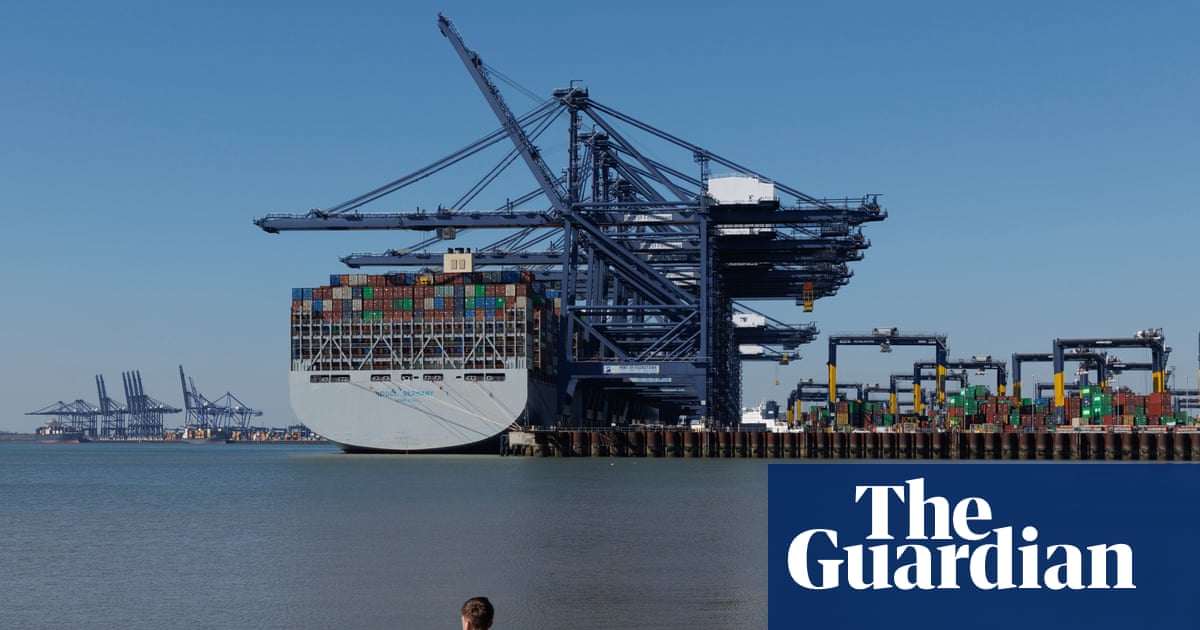
The world saves in dollars in large part because it pays in dollars. The dollar's dominance in cross-border trade is arguably built on the petrodollar: globally traded oil is priced and invoiced in USD.
World politics
Business
fromLondon Business News | Londonlovesbusiness.com
1 month agoThe significant events in the global economy over the past week - London Business News | Londonlovesbusiness.com
U.S. equity markets declined amid AI disruption concerns and trade uncertainty, while European markets gained strength with solid earnings and diversification appeal.
fromLondon Business News | Londonlovesbusiness.com
2 weeks agoThe world is 'dealing with an enormous supply shock' as oil soars - London Business News | Londonlovesbusiness.com
We're dealing with an enormous supply shock. The paper markets have entirely disconnected from the physical markets, reflecting a mismatch that is affecting the global economy.
World news
US news
fromLondon Business News | Londonlovesbusiness.com
1 month agoThe Significant Events in the Global Economy Explained - London Business News | Londonlovesbusiness.com
Supreme Court tariff reversal lifted investor sentiment and stocks, while Fed division on rates, rising inflation, and slowing GDP kept markets cautious.

US politics
fromFortune
1 month agoInvestors are already nervy about international buyers backing away from US debt: China might be beginning to do just that | Fortune
Chinese regulators advised banks to limit U.S. Treasury holdings, raising market concern about future foreign demand and potential dollar vulnerability.
fromEntrepreneur
1 month agoWhy Global Brands Struggle When Local Markets Push Back
Companies enter new markets with momentum. Press coverage looks promising. Campaigns launch on schedule. Local teams are hired. Early dashboards suggest traction. Then progress slows. Customer interest plateaus. Partnerships take longer than expected. Internally, the conversation almost always turns to execution. Messaging must not be clear enough. The market probably needs more education. What I have learned is that this conclusion is usually wrong. What looks like market resistance is more often a signal that the brand is communicating from the wrong position.
Venture
Miscellaneous
fromLondon Business News | Londonlovesbusiness.com
2 months agoCommodities on the rise, as investors, companies and countries compete for strategic materials - London Business News | Londonlovesbusiness.com
European stocks hit record highs as softer US inflation and rising commodity-driven gains shift sentiment toward European and Asian equities.
World politics
fromFortune
3 weeks agoTop economist says Iran war could trigger an economic 'butterfly effect'-and keep inflation elevated for years | Fortune
A potential Iran conflict could trigger global economic ripples, raising oil prices and inflation rates that would significantly impact American households.
US politics
fromwww.mediaite.com
2 months agoCentral Bankers Across the World Unite in Full Solidarity' Behind Fed Chair Powell
Major central bank leaders jointly affirmed Fed independence and expressed full support for Chair Jay Powell amid a DOJ criminal investigation into Fed headquarters renovations.
fromLondon Business News | Londonlovesbusiness.com
2 months agoA look at the significant events in the global economy over the past week - London Business News | Londonlovesbusiness.com
Markets were closed on Monday for Martin Luther King Jr. Day, compressing the week's activity into four sessions. Early in the week, stocks fell sharply after renewed concerns about a potential global trade conflict. Investor sentiment weakened following comments from President Donald Trump about imposing tariffs on certain European nations in connection with negotiations over Greenland. However, midweek optimism returned when the president signalled a softer stance and postponed the planned tariffs.
US news
Business
fromLondon Business News | Londonlovesbusiness.com
1 month agoA look at the significant events in the global economy over the past week - London Business News | Londonlovesbusiness.com
U.S. markets rotated away from large-cap technology toward smaller and value stocks amid cooling labor-market signals, mixed economic activity, and falling bond yields.
Business
fromLondon Business News | Londonlovesbusiness.com
2 months agoInflation cools, Europe stabilises, Asia reacts to politics and policy - London Business News | Londonlovesbusiness.com
Cooling core inflation and mixed earnings are driving a rotation into value and domestic stocks, supporting smaller-cap outperformance and sustaining hopes for eventual Fed rate cuts.


World news
fromFortune
2 months agoBRICS could become a new pillar of global governance-if its rapid growth doesn't erode its newfound clout | Fortune
BRICS' rapid expansion risks internal incohesion and failure to reform global governance despite its vast population, resources, and strategic potential.


fromThe Globe and Mail
2 months agoBusiness Brief: Heralding the age of Western decline
U.S. President Donald Trump, with his lust for Greenland and hectoring of Europe, thinks the world is at his mercy,and thatthe U.S. is invincible. He's right on the first point. But he discovered this week that he's wrong about the second one. In Davos at the World Economic Forum, Trump climbed down on his Greenland threats after his actions caused chaos in the markets.
World news
World news
fromFortune
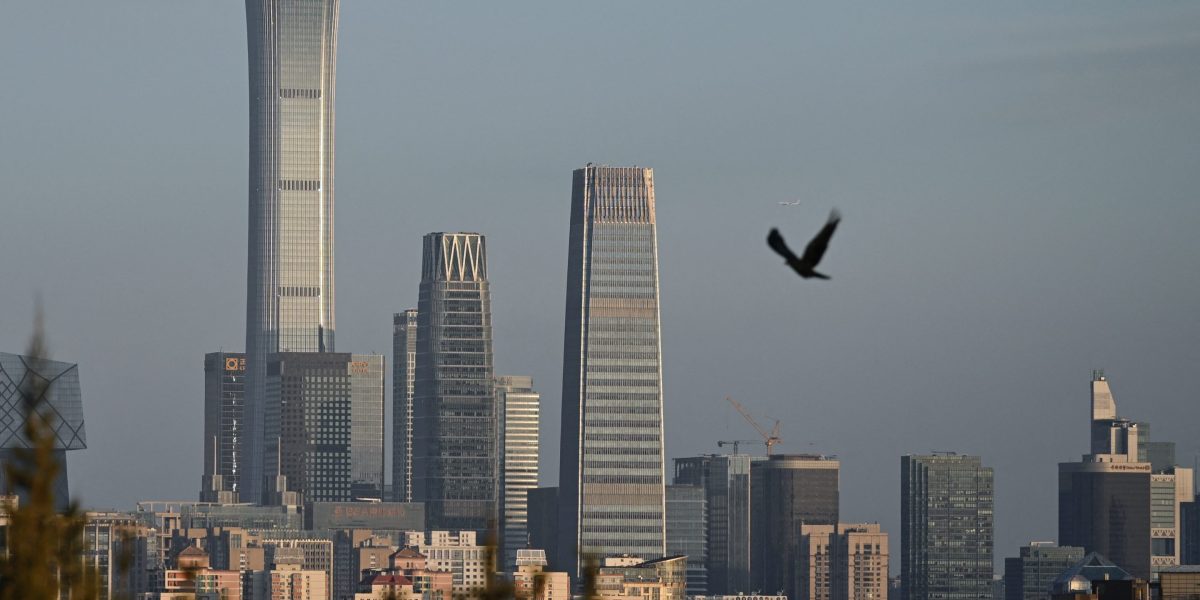
2 months agoChina's export-led growth is looking more and more unsustainable while a real estate crash and reeling consumers fuel deflationary spiral | Fortune
China's export surge drove record $1.19 trillion trade surplus and sustained 5% GDP growth in 2025 despite weak domestic consumer demand and property slump.
[ Load more ]