#gas-shortage
#gas-shortage
[ follow ]
#oil-prices #gas-prices #strait-of-hormuz #iran-war #middle-east-conflict #supply-chain #energy-crisis
Russo-Ukrainian War
fromLondon Business News | Londonlovesbusiness.com
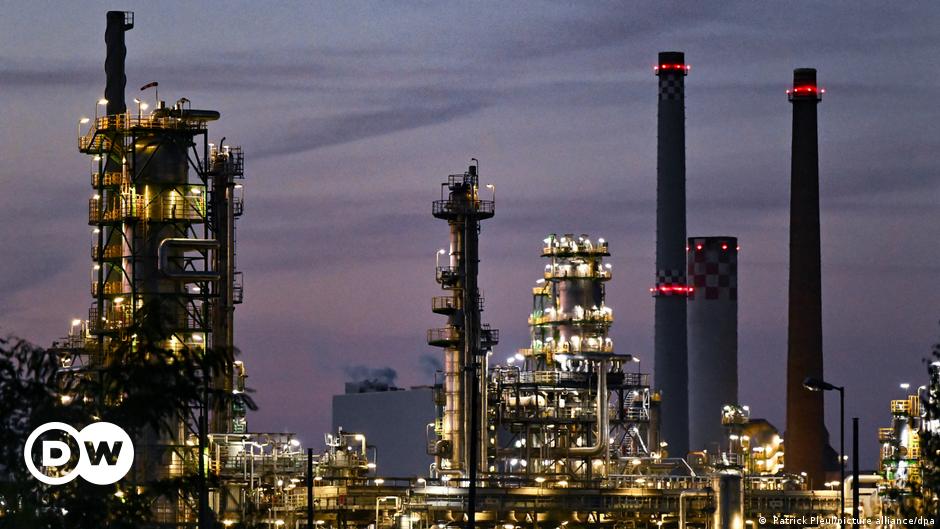
21 hours agoMultiple explosions erupt at one of Russia's largest oil refineries in a long-range attack - London Business News | Londonlovesbusiness.com
Ukrainian drones targeted major Russian oil and chemical facilities to disrupt Moscow's war economy.
Europe news
fromFortune
2 days agoFuel shortages from the Iran war have spread to Europe, but the pain is hitting California and the West Coast as well-and help is years away | Fortune
California faces severe fuel shortages due to refinery closures and global supply issues, impacting the economy and air travel this summer.




#russia
Russo-Ukrainian War
fromLondon Business News | Londonlovesbusiness.com
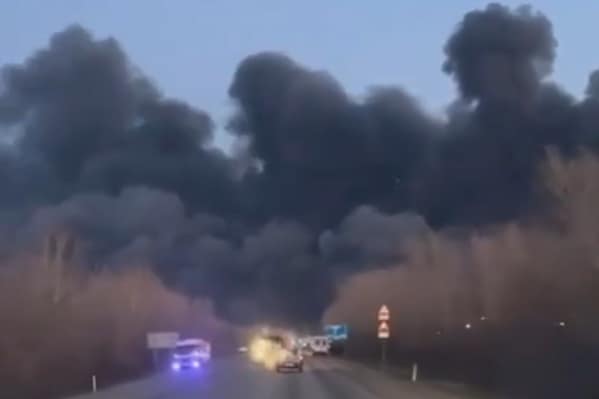
4 days agoPutin turns fuel boss as refineries keep catching fire amid Ukraine's successful strikes - London Business News | Londonlovesbusiness.com
Russia is tightening state control over fuel production and distribution due to disruptions at oil refineries affecting domestic supply.





Europe news
fromLondon Business News | Londonlovesbusiness.com
6 days agoInvestors on edge as oil shoots higher given fragile Iran situation - London Business News | Londonlovesbusiness.com
Oil markets experienced volatility with Brent Crude rising 5% to $95 a barrel due to the closure of the Strait of Hormuz.
fromLondon Business News | Londonlovesbusiness.com
4 days agoCrude oil (WTI) between hope and escalation - London Business News | Londonlovesbusiness.com
Traders are simultaneously pricing in two contradictory scenarios: continued political de-escalation on one hand, and the possibility of renewed escalation on the other. This fragile balance leaves the market vulnerable to sudden movements, especially given oil prices' high sensitivity to geopolitical developments in the Middle East.
World politics

World news
fromFortune
5 days agoHalliburton CEO: U.S. oil rebound enters 'early innings' as Iran war triggers 'long-lasting' global push for energy outside the Middle East | Fortune
The U.S. oil sector is rebounding, driven by energy security concerns and increased production amid geopolitical tensions.
Alternative transportation
fromFortune
1 month agoSo, what happens during a gas crisis, anyway? Your older relatives have a reason to bring up what could come next | Fortune
The 1970s gas crisis involved severe supply shortages where rationing by license plate determined driving days, contrasting with today's price-driven concerns as current geopolitical tensions threaten similar scarcity.
fromAxios
1 month agoEnergy woes deepen as Trump team looks to soften blow
There's no doubt that what's happening now is an order of magnitude bigger - in terms of potential fallout for oil markets - than Russia's invasion of Ukraine. The global benchmark Brent crude is trading around $88 Friday morning, up roughly $16 since military strikes against Iran began.
US news
fromPoynter
1 month agoThe US exports oil, but that won't shield Americans from higher gas prices - Poynter
The United States - we produce more oil than we can consume. We're a net oil exporter," Wright said. This comment misses some important context. Some metrics show the U.S. as a net exporter, but for crude oil - the material that's refined into gasoline - the U.S. is a net importer.
World politics
World news
fromLondon Business News | Londonlovesbusiness.com
1 month agoCrude oil remains elevated as supply risks turn into actual disruptions - London Business News | Londonlovesbusiness.com
Oil prices have surged 40-50% since late February due to actual Middle East supply disruptions, with Brent at USD 103.6 and WTI near USD 95, as Iran's attacks on production facilities materialize real supply losses rather than anticipated risks.
World politics
fromFast Company
1 month agoWhy the U.S. is now more resilient to oil price shocks
Global oil market disruptions from Middle East conflicts raise prices worldwide, affecting economies through reduced production, supply chain disruptions, and increased trade deficits for oil-importing nations.
fromwww.aljazeera.com
1 month agoIndia, Europe feel fuel crunch as Gulf gas supplies disrupted amid war
QatarEnergy on Monday suspended LNG production following a drone attack, straining the global market. The measure followed Iranian drone attacks on a water tank at a power plant in Mesaieed Industrial City and an energy facility in Ras Laffan belonging to QatarEnergy, the world's largest LNG producer.
World news
World news
fromwww.theguardian.com
1 month agoUS energy chief says spike in gas prices will fall before too long' amid Iran war
US energy prices will spike for weeks, not months, with no US targeting of Iran's energy infrastructure, while administration officials justify short-term price rises as preferable to long-term threats from Iran's missile and nuclear capabilities.
[ Load more ]