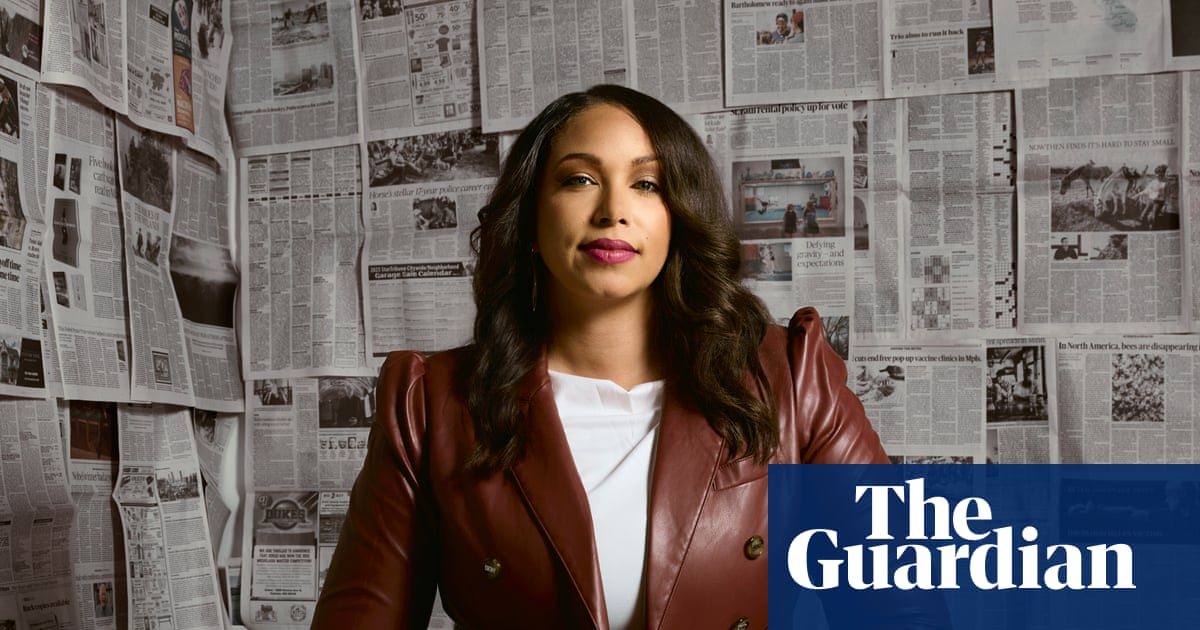
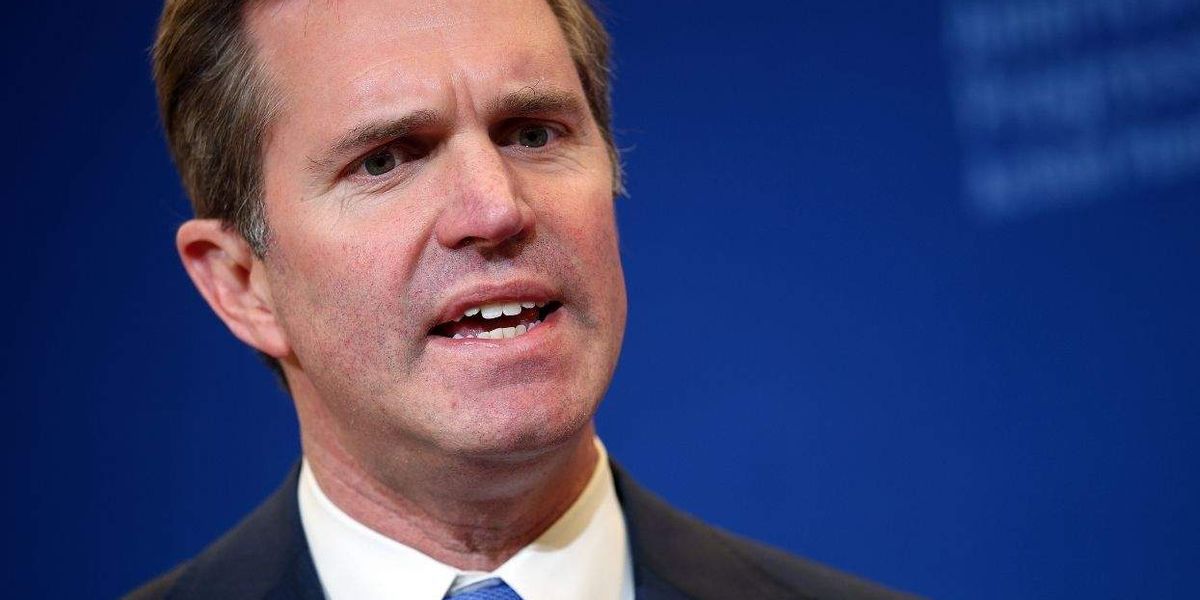
When the U.S. government cut funding for local news stations, the Knight Foundation moved quickly to help stabilize a rapidly eroding industry. President and CEO Maribel Pérez Wadsworth unpacks the evolving roles of philanthropy and government, and why philanthropic organizations must learn to move at the speed of the news cycle. This is an abridged transcript of an interview from Rapid Response, hosted by former Fast Company editor-in-chief Robert Safian.
And while the paper he wrote about killing Mexicans and disenfranchising non-whites got him some notoriety, he wasn't in trouble over it per se. He got in trouble after he took to Twitter to announce that " Jews should be abolished by any means." That tweet was read as a threat by the university and prompted them to expel Damsky to prevent the campus from becoming hostile.
But moments before the Nov. 14 media event began, the Oakland Police Department barred the Peralta Citizen reporter from entering, a remarkable blockade against a college newspaper covering a national story about beloved Laney coach John Beam, who was fatally shot on campus a day earlier. The reason? The Citizen reporter an associate editor had not first obtained a police-issued press credential.
In this episode of The Briefing, Scott Hervey and Richard Buckley break down Campbell Soup Co. v. Campbell for Congress, the lawsuit over a political candidate's "Soup4Change" slogan and AI-generated soup can design. They cover the backstory, the trademark and First Amendment arguments, and how the Hershey case may influence the court's view of political campaign branding. Tune in for a clear look at where trademark law meets political speech.
First filed in August, the suit alleges the administration has used immigration policies to suppress protected speech by student activists and journalists. It names Secretary of State Marco Rubio and Department of Homeland Security Secretary Kristi Noem as defendants. The plaintiffs the newspaper and two individuals using aliases are challenging two provisions of the Immigration and Nationality Act that they say let the government punish noncitizens for exercising protected speech.
The law requires platforms to use "commercially reasonable methods," which it says include a screen that prompts the user to enter a birth date. However, NetChoice argues that Virginia could go beyond this requirement, citing a post from Governor Youngkin on X, stating "platforms must verify age," potentially referring to stricter methods, like having users submit a government ID or other personal information.
Since late January, leaders at liberal foundations and donor networks have been preparing for a legal assault by federal agencies. That moment finally arrived in September, when, in the wake of Charlie Kirk's assassination, Deputy Attorney General Todd Blanche directed federal prosecutors to investigate the Open Society Foundations on a range of possible criminal charges, reportedly on orders from the White House.
Seth Meyers used his NBC show to push back against President Donald Trump on Monday night, after the president claimed on Truth Social that Meyers' comedy was PROBABLY ILLEGAL!!! Trump attacked the host on Saturday, insisting the comedian may be the WORST to perform, live or otherwise, and complaining that Meyers' act is now 100% ANTI-TRUMP which he added was PROBABLY ILLEGAL!!!
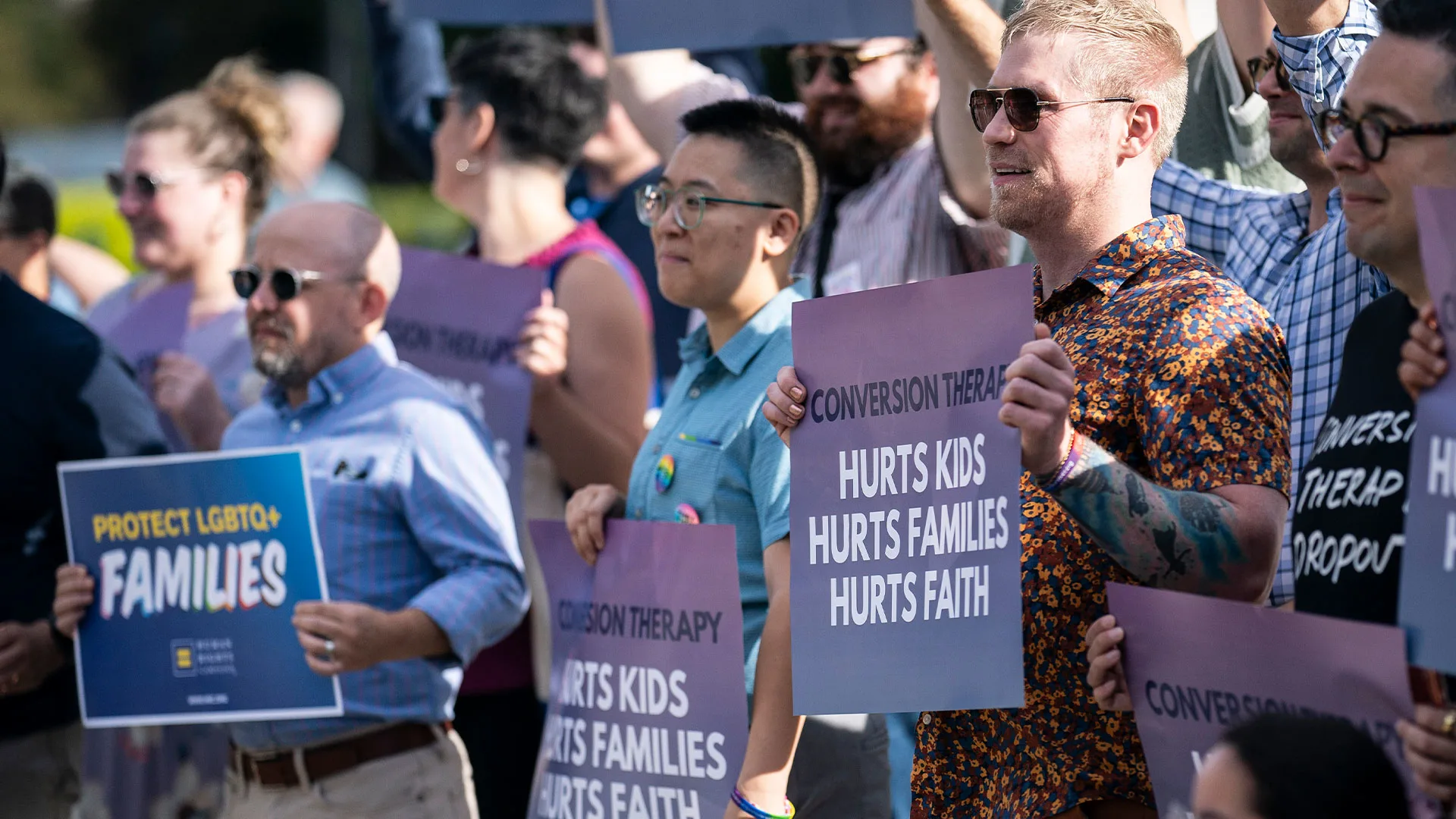
Conversion therapy is the discredited and harmful practice of attempting to change an individual's sexual orientation or gender identity. The therapist in the case (Kaley Chiles) argues that this law is an unconstitutional restriction on her speech: psychotherapy is, on her view, a kind of speech, and thus the state law violates her First Amendment rights. The state responds that psychotherapy is a medical procedure,
"[They] live under the constant gaze of DAS surveillance as the NYPD mounted a box with two cameras directly outside their home, aimed at their living room and bedroom windows," the lawsuit states. "The cameras' presence has transformed what should be their place of safety into a space of anxiety. They have covered their windows with foil to block the cameras' view, depriving themselves of sunlight and the simple enjoyment of looking outside."
On October 27, NAD ruled that the AT&T advertising and press release violated Section 2.1(I) of the NAD/National Advertising Review Board (NARB) procedures. That procedure was that NARB participants are "not to mischaracterize any decision, abstract, or press release issued or use and/or disseminate such decision, abstract or press release for advertising and/or promotional purposes." In other words, using the decisions as fodder for advertising or marketing is off limits.