Mental health
fromPsychology Today
1 day agoBeyond Fertility: The Messages of Menstruation
Menstruation serves as a vital sign, reflecting overall health and influencing mood, cognition, and social awareness.
Since the first IVF baby was born in 1978, technological advancement of reproductive medicine has enabled millions to have children, marking a significant milestone in medical history.
Economists from King's College London (KCL) and Stanford University in America looked at parents' participation in the workforce in the US between 2023 and 2025, including the proportion who worked from home at least one day per week. They analysed the impact of this compared with those who did not work remotely.
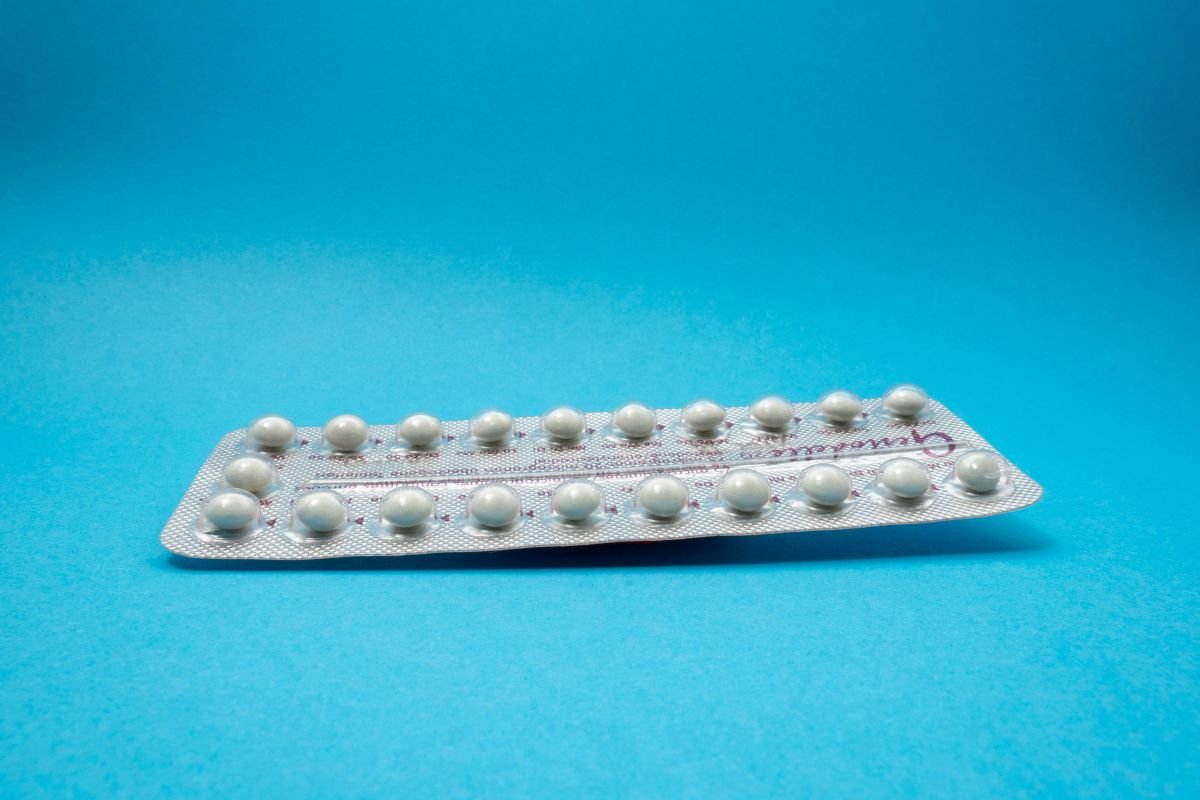
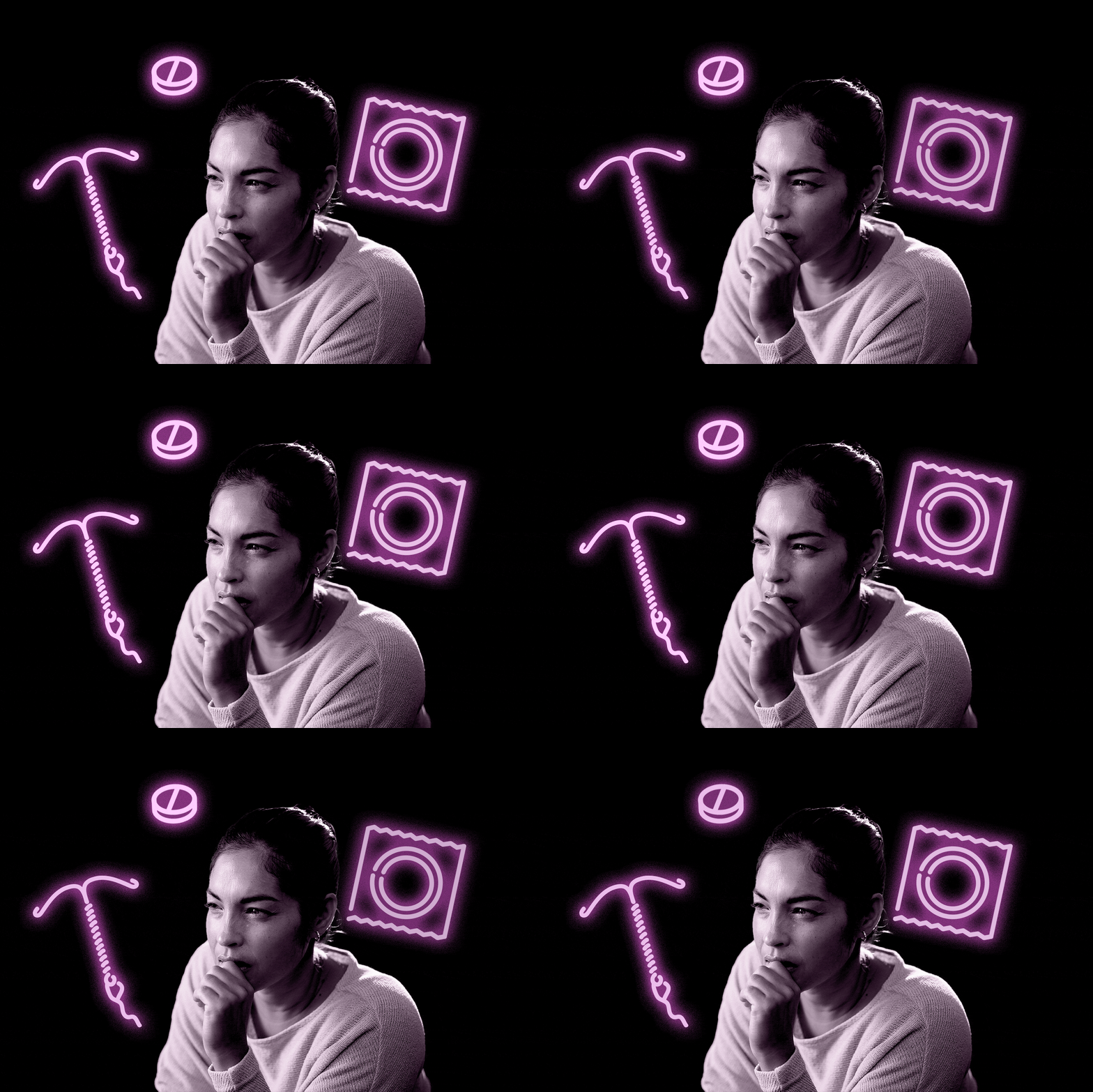
For more than 60 years, contraception has been almost exclusively a women's responsibility. Today, women have more than 14 modern contraceptive options, while men have just two: condoms and vasectomies. That imbalance has pushed women to shoulder physical side effects, financial burden, medical risks, and the career impact of family planning-costs that have been accepted as the "status quo" for far too long.
Well, would you look at that? Not only is water wet, the ocean vast, and the Beckham feud enduring, but the abortion pill mifepristone is safe-and the FDA studies between 2011 and 2023 that declared it so were based on nothing other than fact and real science. If only we knew how good we had it when we had it.
Since I was young, I've never wanted kids, and I've wanted to pursue sterilization since I learned that that was something that a person could do. I've tried a lot of different options for birth control. None of them have worked for me.
I've wanted to pursue sterilization since I learned that that was something that a person could do. I've tried a lot of different options for birth control, none of them have worked for me. She added that she never wanted kids, has a history of assault, and is worried about living in a state with one of the strictest abortion bans in the country.
When I took the assessment, shortly after leaving my partner, he scored an 8/10. If I had gone through with our pregnancy, he would have scored a 10. But we didn't have children because five years earlier, in a Chicago clinic, I'd had a medication abortion. At the time, the danger only registered as a faint sense of unease, nothing like the five-alarm fire my life would later become.
I can't even count the number of thoughts I have every single day, just bouncing around in my head like a ping pong ball. I think every mom feels the same way, which is why when you ask a mom what's on her mind, her response could range from something like "Oh, just thinking about my kid's new soccer team" to "The fall of democracy and the state of the world."
The truth, of course, is that anyone can contract HIV, given the right circumstance, and according to the Yale University Library's online exhibition " We Are Everywhere: Lesbians in the Archive," by 1991 roughly 40% of HIV-positive people and 12% of AIDS patients in the U.S. were women. But a combination of longstanding bias in the medical field and the perception of HIV/AIDS as a gay epidemic led to women being excluded from research studies and clinical trials.
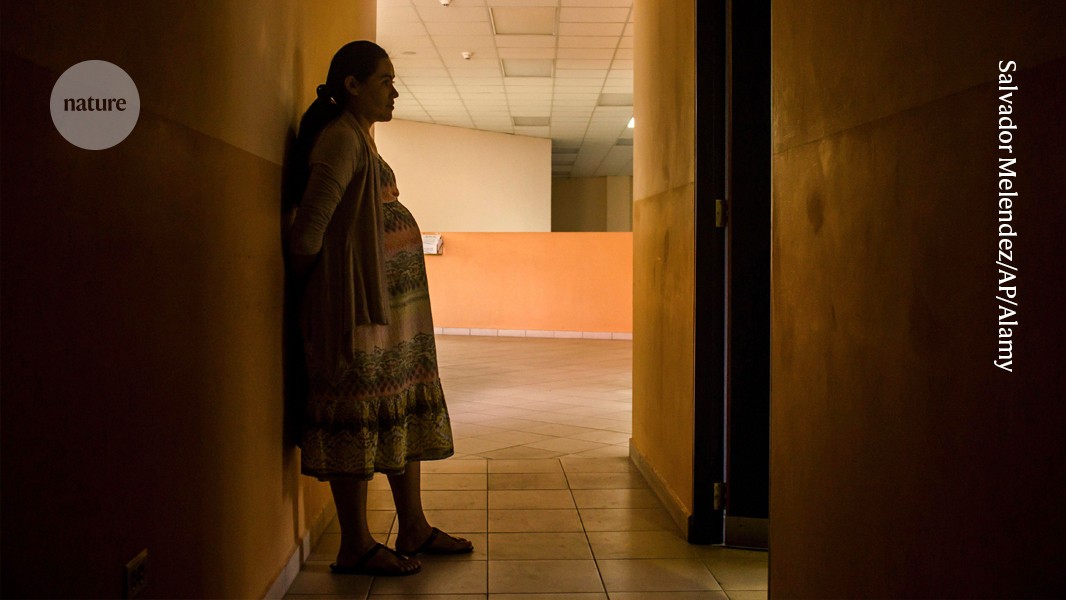
Fear of detention or deportation is leading many immigrants to avoid medical appointments, even when those visits are essential. This chilling effect is particularly acute among pregnant individuals, who may delay or forgo prenatal check‑ups out of concern that seeking care could expose them to immigration enforcement. The result is a growing public health crisis: expectant patients are left without consistent medical oversight, and communities face widening disparities in maternal and infant health outcomes.