Writing
fromMedium
2 weeks agoEverything I know about AI, I learned from a genie
AI systems follow constraints, but they can still be steered toward harmful persuasion, so instructions must be precise and values-aligned.
In Andor, I got chills when Mon Mothma warns the senate of a chilling truth: When we let noise, conformity, or fear dominate, we lose sight of what matters. We risk allowing the loudest voices, often the safest, the most predictable, to drown out individuality, identity, and truth. To me, this line... This line echoes a growing tension I feel in content design.
It began with the forging of the Great Roles. Three were given to the Product Designers - immortal, wisest, and fairest of all creators. Seven to the Engineers - great builders and architects of the digital halls. And nine... nine roles were gifted to the race of Marketers, who above all else, desire reach and engagement. For within these roles was bound the skill and the will to shape the modern web.
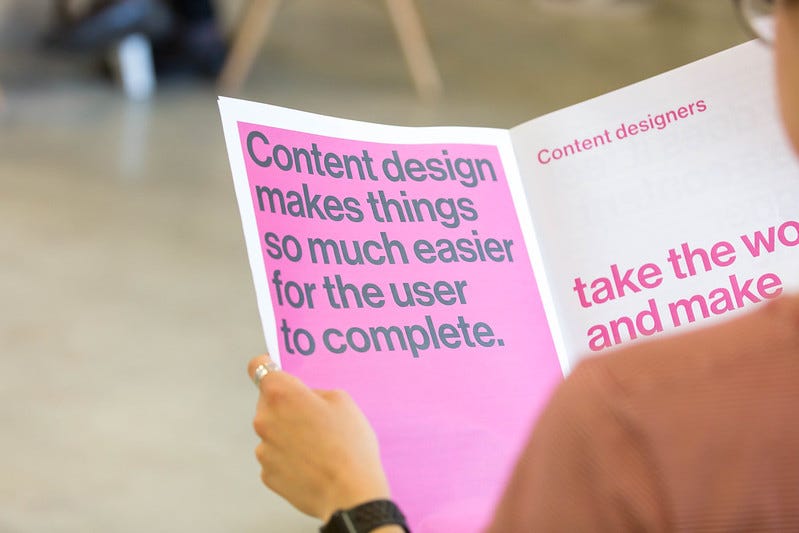
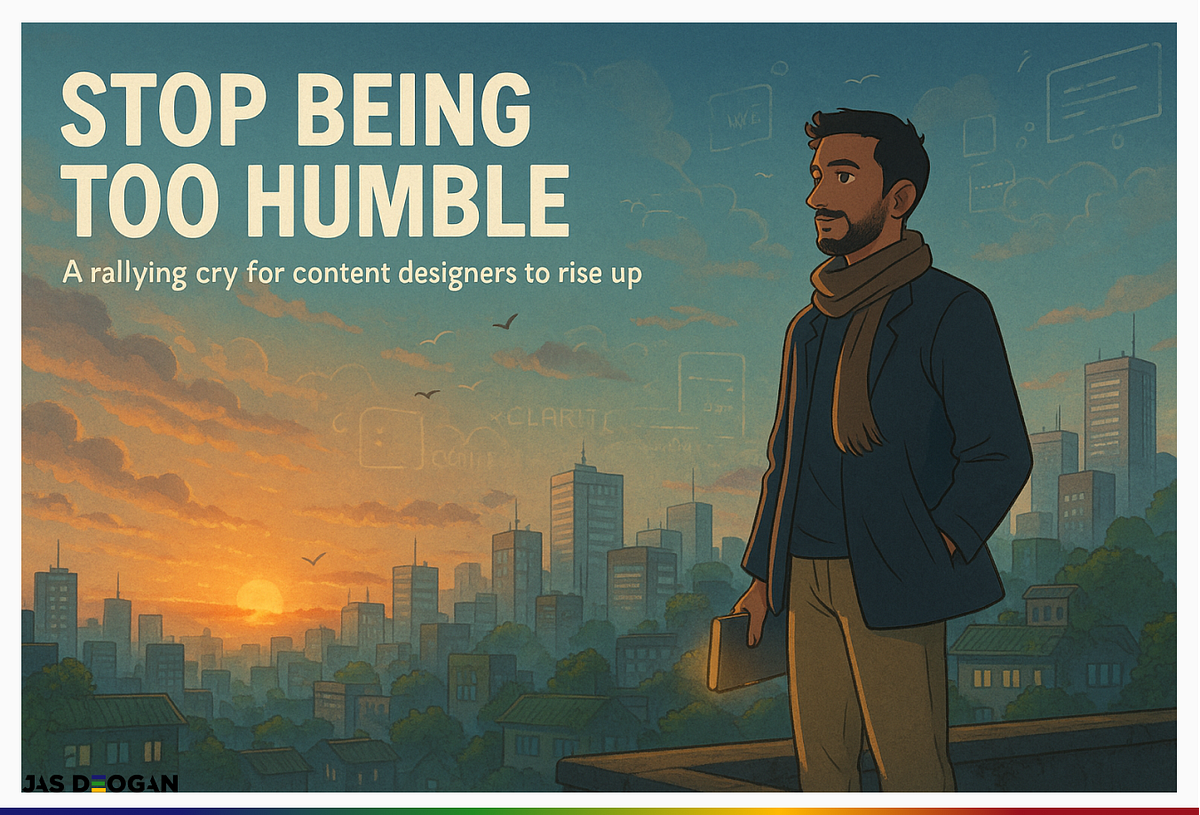
Unlike our flashy cousins, product/UX designers or the tech-savvy dev crowd, our superpowers are a bit more... well, understated. And if I'm being honest, I don't think content designers do a good job of articulating what they do, which is ironic, given that content designers are shaping the user experience in ways that are subtle, powerful, and, dare I say, heroic. Content designers solve user problems through simplified content crafting experiences that guide, inform, and engage users.