#cleopatra-pot
#cleopatra-pot
[ follow ]
#ancient-egypt #archaeology #ramses-ii #museum-exhibition #archaeological-artifacts #julio-claudian-dynasty

#ancient-egypt


Arts
fromThe Art Newspaper - International art news and events
1 month agoBlockbuster show on ancient Egyptian pharaoh Ramses II opens in London
A major exhibition featuring over 180 ancient Egyptian treasures from Ramses II's reign opened in London near Battersea Power Station, running through May 31, with proceeds funding Egyptian archaeological research and conservation.
History
fromwww.theguardian.com
1 month agoThe Donald Trump of ancient Egypt': Ramses II's ego is on full display in new exhibition
Ramses II, Egypt's most ambitious pharaoh, remains remarkably preserved after 3,000 years, yet is overshadowed by Tutankhamun's fame despite his greater achievements and legacy.
London
fromThe Art Newspaper - International art news and events
1 month agoBlockbuster show on ancient Egyptian pharaoh Ramses II opens in London
A major exhibition featuring over 180 ancient Egyptian treasures from Ramses II's reign opened in London near Battersea Power Station, running through May 31, with proceeds funding Egyptian archaeological research and conservation.
History
fromwww.theguardian.com
1 month agoThe Donald Trump of ancient Egypt': Ramses II's ego is on full display in new exhibition
Ramses II, Egypt's most ambitious pharaoh, remains remarkably preserved after 3,000 years, yet is overshadowed by Tutankhamun's fame despite his greater achievements and legacy.

fromThe Art Newspaper - International art news and events
1 month agoAncient Egyptian 'Tipp-Ex' discovered on papyrus at UK's Fitzwilliam Museum
The corrective fluid analysed using light infrared photography revealed a mixture of huntite and calcite, while images made using a 3D digital microscope show that there also are flecks of yellow orpiment, probably to make it blend in better with the fresh papyrus, which would have originally been pale cream in colour.
Typography
fromMail Online
2 months agoLong-lost Egyptian scroll fuels debate over real-life biblical giants
An ancient Egyptian papyrus held by the British Museum has been cited as possible evidence supporting some of the Bible's most controversial claims about giants. The 3,300-year-old document, known as Anastasi I, has been in the museum's collection since 1839 and has recently resurfaced on the Associates for Biblical Research, renewing interest in its possible links to biblical accounts. The papyrus describes encounters with the Shosu people, said to stand 'four cubits or five cubits' tall, up to eight feet in height.
Books


History
fromwww.theguardian.com
1 month agoScholar, seductress, alchemist: who was the real Cleopatra?
Cleopatra VII's legacy has been corrupted by ancient male sources portraying her as exotic and seductive, yet her name endures with greater recognition than her chroniclers, and historical evidence reveals her as a polyglot scholar interested in alchemy and healing remedies.
History
fromTime Out London
2 months agoA new 'Cleopatra' immersive experience in London will be all about Ancient Egypt
Cleopatra: The Experience opens at Immerse LDN as a 3,000 square metre, nine-gallery immersive exhibition tracing the late Ptolemaic dynasty with artefacts, AR, VR and staged environments.
fromOpen Culture
1 month agoSeven Wonders of the Ancient World: From the Walls of Babylon to the Sewers of Rome
Seven were the strings of the lyre (unless there happened to be eight or nine), seven were the gates of Thebes, and seven were the "wandering stars" in the night sky (if you count the sun and moon). The identity of the wonders was less important than the length of their list, and indeed, additions and changes were proposed since the beginning.
History
fromOpen Culture
1 month agoWho Would Be Emperor If the Roman Empire Still Existed Today?
Very rare to see this level of tailoring nowadays, even on the wealthy. Even when not attending major sporting events, the king's collars always hug his neck, his lapels are always well-proportioned, the lines of his coat always flow into his trousers, and his four-in-hand always has just the right asymmetry.
History
fromWorld History Encyclopedia
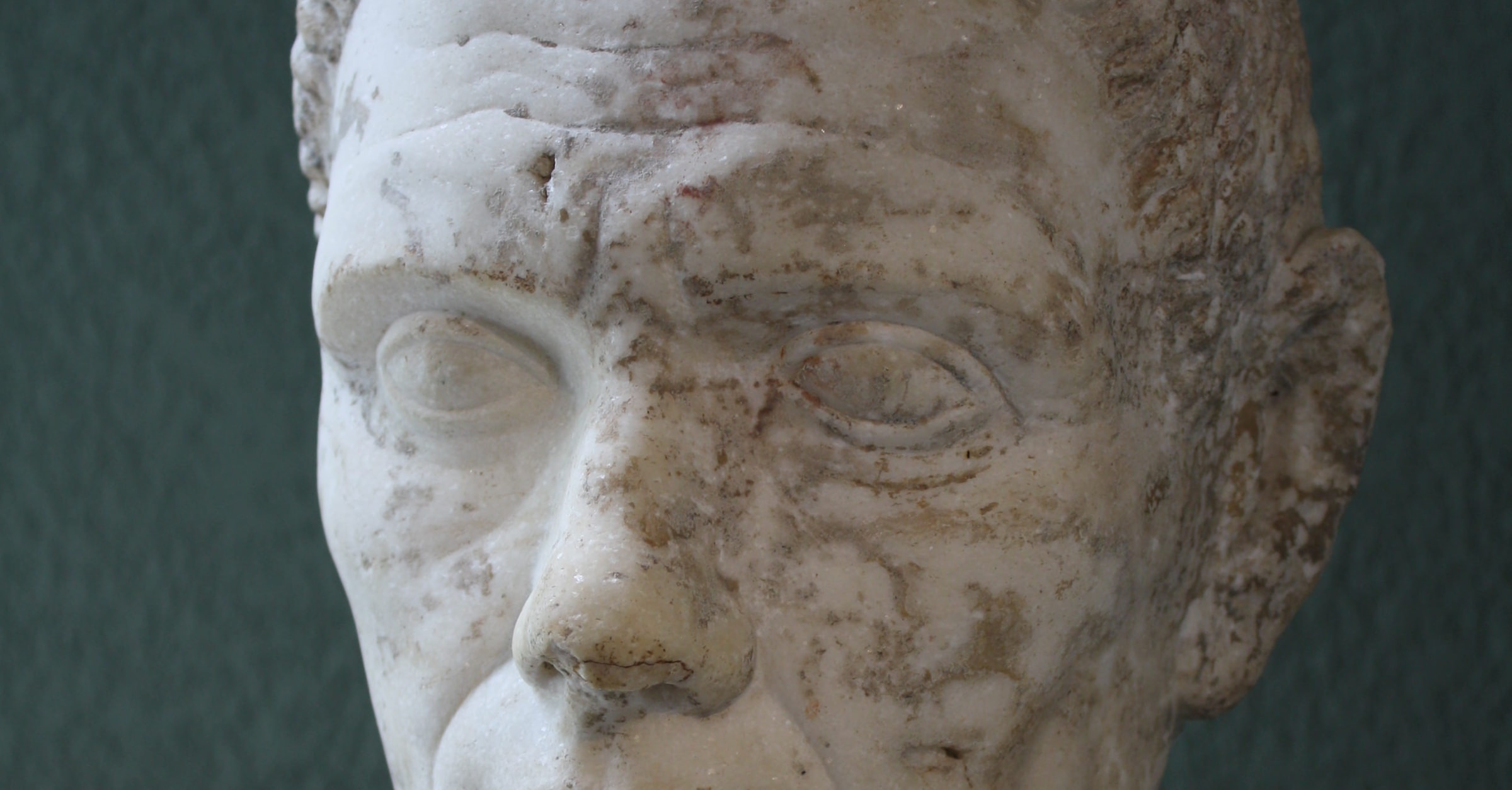
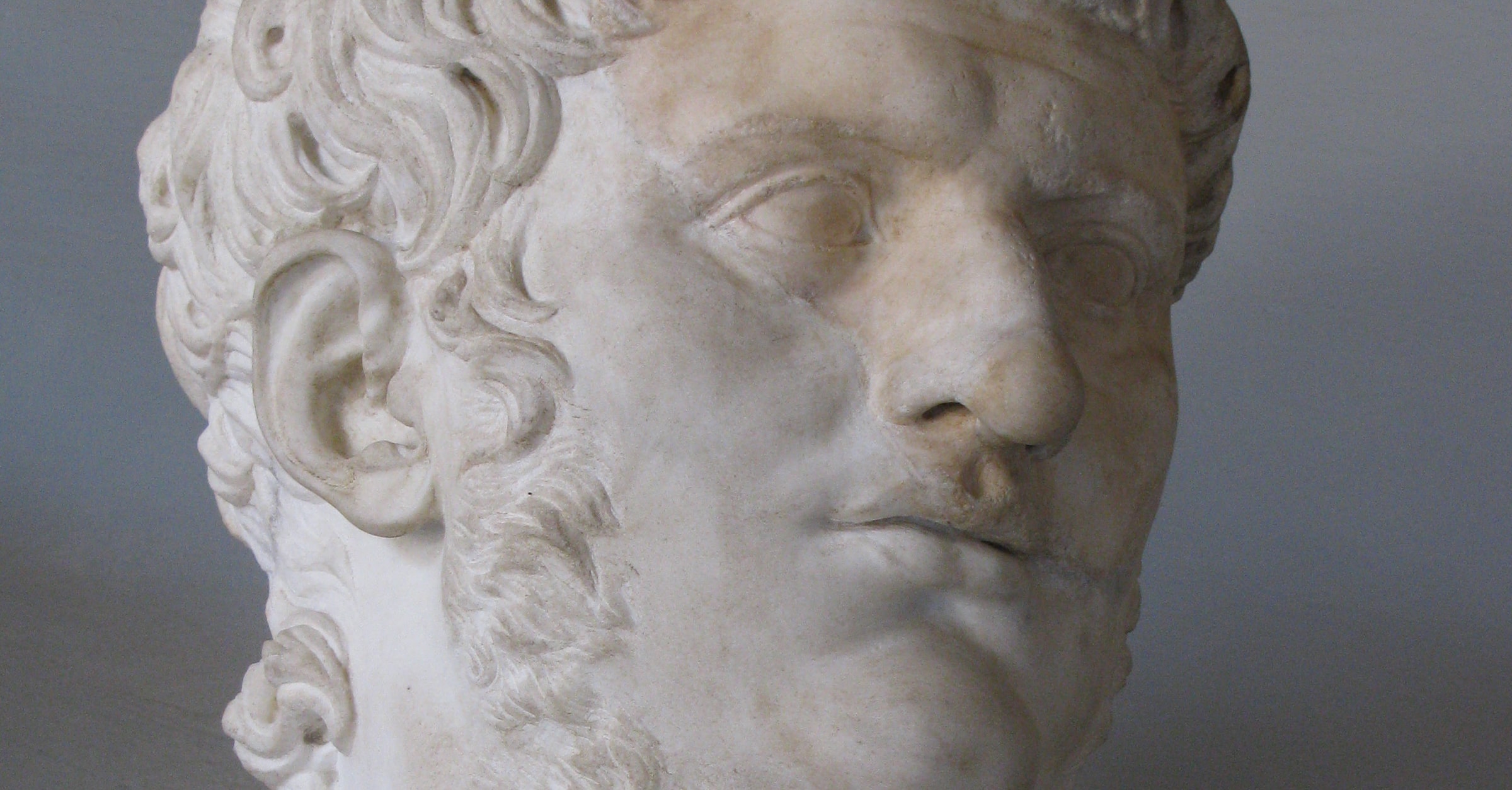
2 months agoCaligula: Rome's First Mad Emperor
Caligula (12-41 CE) was the third Roman emperor, who reigned from 37 to 41 CE. A member of the Julio-Claudian Dynasty, he came to power after the death of his great-uncle Tiberius. The ancient sources claim that he was initially a popular ruler, but, after only a few months, he gave in to his sadistic, depraved, and paranoid impulses and began ruling through terror. He was assassinated on 24 January 41 CE by disaffected members of the Praetorian Guard.
History
fromMail Online
2 months agoMystery of Egypt's pyramids deepens as hidden megastructure revealed
More than 200 scans from multiple satellites, including Italy's Cosmo-SkyMed and the US-based Capella Space, showed uniform results suggesting massive pillars about 65 feet in diameter wrapped in spirals and plunging nearly 4,000 feet deep. Those pillars appear to end in 260-foot cubic chambers beneath all three pyramids and the Sphinx, which Biondi described as 'huge chambers' measuring roughly 260 feet in length and width.
History
fromMail Online
2 months agoThe bone that proves Hannibal really DID cross the Alps with elephants
While the bone was worn and poorly preserved, archaeologists managed to identify its origin by comparing it with modern elephant and mammoth bones. Despite there not being enough DNA to confirm the exact species, the researchers were able to carbon date a tiny sample of the bone. This places the elephant's death between the late fourth and early third centuries BC - right in the middle of the Second Punic War.
History
fromMail Online
2 months agoMysterious symbols spanning the globe hint at a lost civilization
His investigation began after identifying recurring giant T-shapes, three-level indents, and step pyramids carved into ancient stones worldwide. 'These specific symbols that are built in different size proportions, and the symbols are found in ancient stones around the world, are not supposed to exist; no cultures are supposed to have any cross-platform,' LaCroix explained. The symbols appear in locations ranging from Turkey's Van region to South America and Cambodia.
History
History
fromMedievalists.net
1 month agoEast Roman Archaeology: Goals and Challenges, with Marica Cassis - Medievalists.net
Archaeology reveals material evidence of daily life, settlement patterns, and economic systems in the East Roman world that textual sources cannot provide, while facing challenges in establishing itself as a distinct field separate from classical and Islamic archaeology.
[ Load more ]