#ccpa
#ccpa
[ follow ]
#data-privacy #cybersecurity #social-media #lawsuit #meta #data-breach #privacy #law-enforcement #surveillance #openai

fromSecurityWeek
1 day agoApple Intelligence AI Guardrails Bypassed in New Attack
The first is Neural Execs, a known prompt injection attack that uses 'gibberish' inputs to trick the AI into executing arbitrary, attacker-defined tasks. These inputs act as universal triggers that do not need to be remade for different payloads.
Apple


Privacy professionals
fromwww.businessinsider.com
36 minutes agoUber and DoorDash have an identity theft problem, and it's costing people on tax day
Uber and DoorDash reported earnings for individuals who claim they never worked for the platforms, leading to a lawsuit over identity verification issues.
#openai
Artificial intelligence
fromwww.theguardian.com
1 day agoAI products are reaching further into our lives. Does it matter who controls the companies behind them? | Van Badham
Ronan Farrow's investigation raises critical questions about power dynamics and trust within OpenAI, particularly regarding CEO Sam Altman's leadership and influence.
Privacy professionals
fromTechCrunch
17 hours agoStalking victim sues OpenAI, claims ChatGPT fueled her abuser's delusions and ignored her warnings | TechCrunch
A lawsuit claims OpenAI's technology enabled harassment, as a user allegedly stalked his ex-girlfriend after believing he found a cure for sleep apnea.
Law
fromIndependent
15 hours agoComputer engineer claims he was penalised for flagging Israeli links of firm given 'bananas' server access at top Irish cybersecurity company
A cyber-security firm reprimanded an engineer for discriminatory comments regarding an Israeli company's access to its servers amid concerns about Palestinian genocide.
fromTechzine Global
3 days agoSupermicro launches investigation following case over server exports
Supermicro claims it is not a suspect in the case. However, the company did take action against the individuals involved. Two of them have been placed on leave, while a third person has been fired.
Intellectual property law
fromwww.mediaite.com
1 month agoGOP-Led App Store Bill Ramps Up Amid Dire Privacy Concerns
Unlike showing ID only for age-restricted items in a physical store (like alcohol), the bill would require age checks for everyone right when entering the app store, before any specific app or content is selected. Heightened risks from handling sensitive personal data online: Users would submit identifiers such as driver's licenses or facial scans to multiple parties that might store this information, unlike a quick, temporary check in the real world where the ID is simply viewed and returned.
US politics

Privacy professionals
fromTheregister
3 weeks agoAge verification isn't sage verification inside OSes
California's Digital Age Assurance Act attempts age verification for minors but is vague, incoherent, and creates liability risks without clearly defining compliance requirements or addressing practical implementation across diverse computing devices.
Privacy professionals
fromwww.mercurynews.com
1 month agoTo attend prom or a football game, California students first had to surrender their data
California fined PlayOn $1.1 million for violating state privacy law by collecting student data through ticketing platforms without providing opt-out options and selling that data to advertisers.
Privacy professionals
fromLocal News Matters
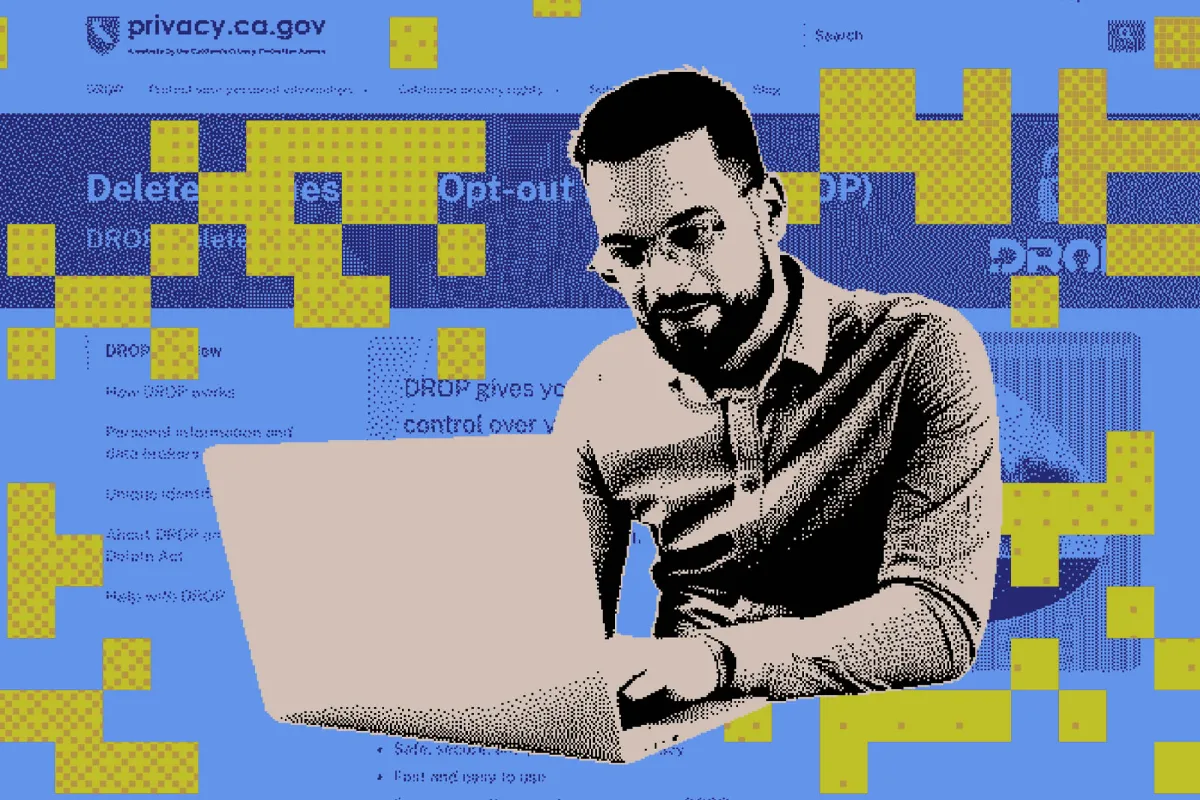
2 months agoOpting out: How Californians can use state's new tool to block hundreds of data brokers - Local News Matters
California launched DROP, a platform that lets residents send deletion and opt-out requests to all registered data brokers at once, starting January 1, 2026.
Privacy professionals
fromThe IP Law Blog
1 month agoThe Briefing: Part Two: CCPA's New Rules on Risk Assessments and Cybersecurity Audits
California privacy law requires CCPA Risk Assessments and Cybersecurity Audits, defining triggers, evaluation criteria, required participants, and submissions to the California Privacy Protection Agency.
fromgizmodo.com
2 months agoIt's a Big Week for Google Privacy Violation Settlements
Google's pockets are about $200 million lighter than they were coming into this week after the company agreed to two separate settlements for two separate class action lawsuits that accused the company of violating user privacy. $135 million will be paid in a case that alleged Google collected user cellular data without permission, and $68 million will go to put to bed a case that claimed Google allowed its Google Assistant to record private conversations without permission.
Privacy professionals
fromoregonlive
1 month agoYour personal data is being sold right now. Here's what you can do
Oregon allows consumers to opt out when companies collect and sell personal details gained in online transactions or simply when people log on to a website or use an app. Under the Oregon Consumer Privacy Act, residents can see what data companies keep about them, request corrections or deletion and opt out of data sales, targeted advertising and certain types of profiling. Businesses must also disclose their data practices and obtain consent before collecting sensitive information such as precise location, biometric or some health data.
Privacy professionals
[ Load more ]