#calendar-view
#calendar-view
[ follow ]
#productivity #claude-code #workflow-automation #collaboration #design-systems #ai #ai-tools #work-life-balance
fromYanko Design - Modern Industrial Design News
2 days agoYour Phone Has 12 Calendar Apps. None of Them Look Like This - Yanko Design
The 1970s were a sweet spot in product design, especially in France, where makers were beginning to marry natural materials like wood with the new optimism of plastic.
Design
fromwww.businessinsider.com
16 hours agoI'm a construction manager who vibe coded a paperwork tracker. My workers loved it until I accidentally broke it.
I got a degree from Douglas College in programming and business management. I understood the business side more and was better at that than at being a coder.
Web frameworks



#productivity

Productivity
fromFast Company
5 days agoMany productivity programs solve the wrong problem. This is what leaders should do instead
Organizations face work design problems rather than productivity issues, leading to temporary solutions that fail to address underlying conflicts in problem-solving approaches.
Productivity
fromSilicon Canals
1 day agoI deleted every productivity app on my phone and my output doubled - because I'd been spending more time optimizing my system than actually doing the work - Silicon Canals
Deleting productivity apps led to increased output by eliminating the management of systems that masked actual productivity.
Productivity
fromFast Company
5 days agoMany productivity programs solve the wrong problem. This is what leaders should do instead
Organizations face work design problems rather than productivity issues, leading to temporary solutions that fail to address underlying conflicts in problem-solving approaches.
fromWIRED
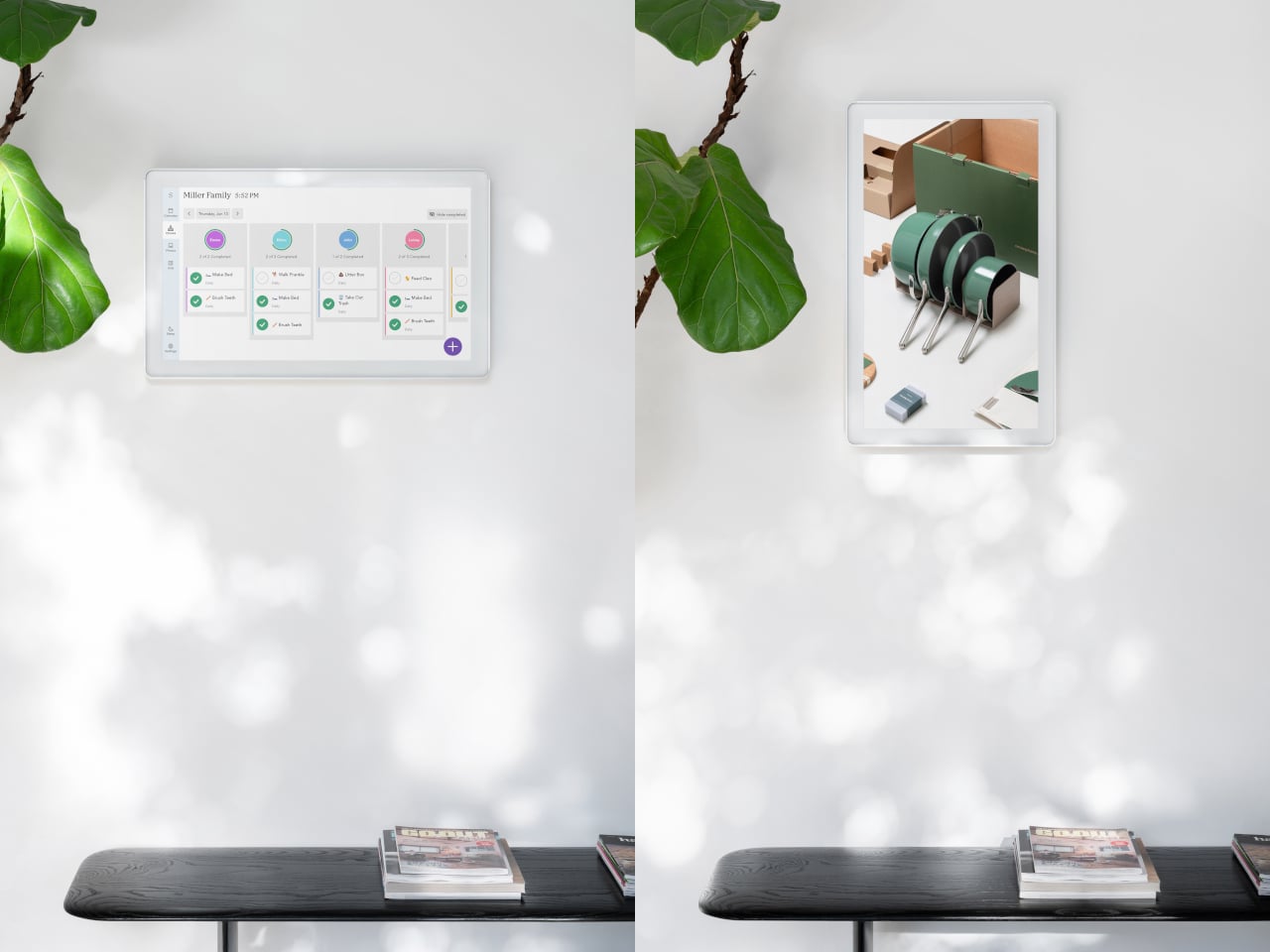
2 weeks agoI Finally Understand Why Digital Wall Calendars Are So Popular
Digital wall calendars take your online calendar-think your Google Calendar, the Calendar app on your iPhone, or your corporate Microsoft calendar account-and put it on a digital screen that you can mount on the wall or prop up on a stand on a countertop or table.
Digital life
Remote teams
fromLondon Business News | Londonlovesbusiness.com
1 day agoSeven best HR software tools for businesses in 2026 - London Business News | Londonlovesbusiness.com
Fragmented HR in the UK costs £102 billion annually, highlighting the need for modern HR systems to reduce errors and improve efficiency.
Artificial intelligence
fromFast Company
3 weeks agoProject management hub Asana wants to be your go-to for managing AI
Asana launches AI teammates that collaborate with multiple humans through its platform, functioning like actual team members who receive assignments, feedback, and participate in project workflows.
Mobile UX
fromAzure DevOps Blog
1 month agoUpdates to Team Calendar extension - Azure DevOps Blog
Team Calendar extension receives visual refinements including improved design consistency, better contrast, updated color palette, smoother transitions, and enhanced usability across all interface components.
Productivity
fromFast Company
3 weeks agoThis is the smart printing system Google Calendar is missing
Paper calendars remain valuable organizational tools that can be enhanced with digital customization, allowing users to print personalized full-year calendars on a single sheet of paper using free online tools.
UX design
fromInfoWorld
1 month agoHow generative UI cut our development time from months to weeks
Use fine-tuned LLMs with predefined component libraries and layout patterns to dynamically generate adaptive user interfaces at runtime, eliminating months of manual design work for each use case variation.
fromComputerworld
2 months agoA phenomenal new Android calendar power-up
Lately, I've tried more overhyped, overly ambitious apps than I can even remember - all of 'em with lofty promises of completely changing my life and/or the way I get stuff done. Spoiler alert: None of those has lived up to that promise or really even stuck as something I'm still actively using in any significant way, as of this current moment.
Mobile UX
Productivity
fromFast Company
1 month ago5 ways to design better meetings and improve your work calendar
Treat meetings as products requiring intentional design, testing, and optimization rather than default calendar events, transforming organizational productivity and reducing the $1.4 trillion annual cost of ineffective meetings.
fromMountaingoatsoftware
2 months agoAre You Really Doing Scrum? A Practical Scrum Litmus Test
Scrum has a bad reputation in some organizations. In many cases, this is because teams did something they called Scrum, it didn't work, and Scrum took the blame. To counter this, when working with organizations, we like to define a small set of rules a team must follow if they want to say they're doing Scrum. Enforcing this policy helps prevent Scrum from being blamed for Scrum-like failures.
Agile
Productivity
fromApartment Therapy
1 month agoI Tried This AI Tool, and It Fixed My Daily Schedule (No More Burnout!)
AI chatbots like Claude help new parents manage work-life balance by automating calendar planning, identifying productive hours, and reducing stress through personalized scheduling assistance.
fromComputerworld
2 months ago22 handy hidden tricks for Google Calendar on Android
All you've gotta do is tap on any open space in that part of the Android Calendar app, and you'll see an event creation box right then and there: Also worth noting: The same tricks we went over a second ago for sliding around or extending your event's time will work in this context, too, once you've brought that box into focus.
Gadgets

fromAzure DevOps Blog
1 month agoCondensed views on Kanban and Sprint boards - Azure DevOps Blog
One of the challenges teams face when working with large boards or displaying multiple fields on work item cards is limited screen space. This became even more noticeable with the rollout of the New Boards hub, which introduced additional spacing and padding for improved readability. While this enhances clarity, it can also reduce the number of cards visible at once.
UX design


fromFast Company
2 months agoIf work leaves you no time for life, try this calendar trick
They may be spending a lot of combined time at the office and commuting, or just putting in a lot of hours both at work and at home. Fixing that problem can't be done abstractly, though. If you're going to address the balance of work and life activities, you have to start getting specific about where your time is going and where you really want it to go.
Productivity
fromTomasz Tunguz
3 months agoThe Done List
For decades, the to-do list has been a catalog of debt, a deceptively thin list of items to do, with icebergs of work hidden beneath the surface. AI transforms tasks to work that has already been done. Vibe Kanban, Gastown, & Conductor are the first instantiations of this for software developers. They have jargon-laden descriptions like "multi-agent orchestrator" or "visualizer," but they are, at heart, simple & beautiful Kanban boards of done & dusted work.
Productivity
[ Load more ]