#aec-workflows
#aec-workflows
[ follow ]
#architecture #sustainability #automation #collaboration #construction #robotics #design #innovation #generative-ai


fromSecuritymagazine
2 days agoWhy Bridging Siloes Doesn't Need to Be Complicated
"When you talk to people about breaking them down, they feel like they're going to get flattened. This negative perception of breaking down siloes can impact the organization's ability to solve the siloes in the first place."
Media industry
Europe news
fromLondon Business News | Londonlovesbusiness.com
4 days agoCBAM, energy costs and efficiency: Why heat recovery is gaining importance in energy-intensive industry - London Business News | Londonlovesbusiness.com
European industry must focus on energy costs, emissions, and heat recovery to enhance efficiency and competitiveness.


Software development
fromBusiness Matters
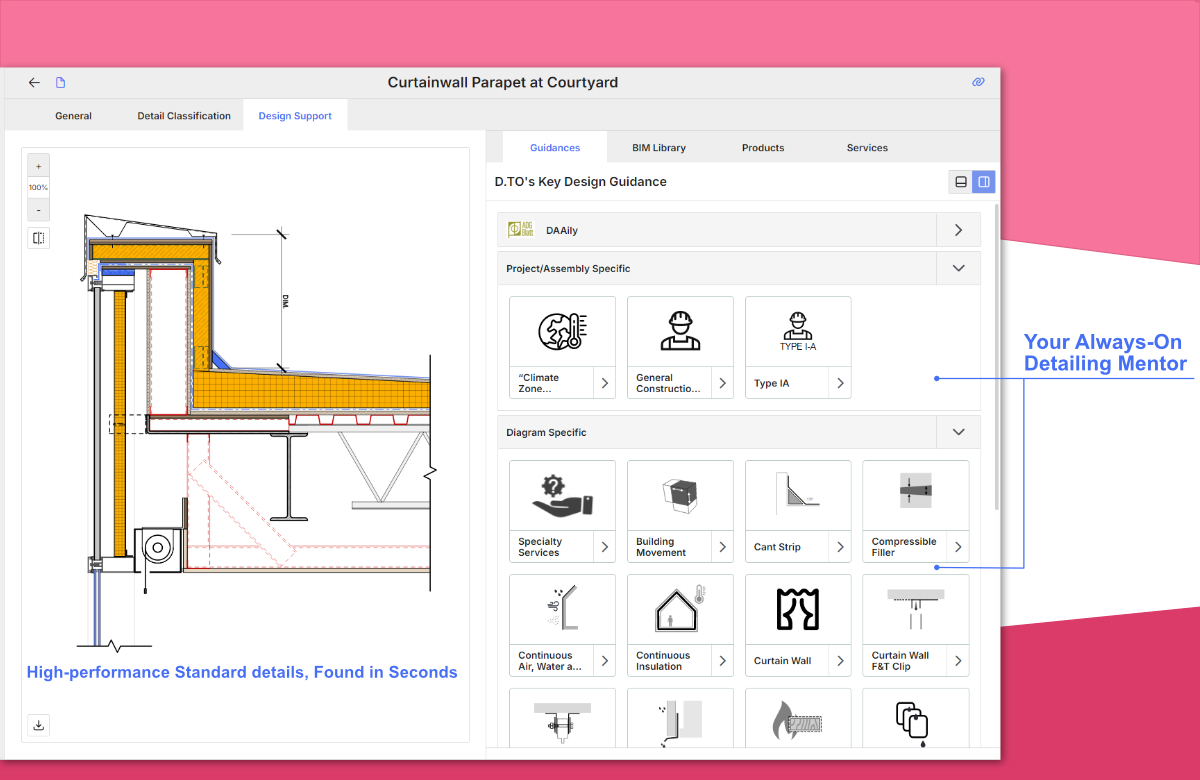
1 week agoTop Benefits of Using Structural Design Software (And Why Spreadsheets Won't Cut It Anymore)
Modern structural design software automates repetitive tasks, improving accuracy and efficiency while reducing errors and costs in complex engineering projects.


fromwww.businessinsider.com
2 weeks agoI'm a construction manager who vibe coded a paperwork tracker. My workers loved it until I accidentally broke it.
I got a degree from Douglas College in programming and business management. I understood the business side more and was better at that than at being a coder.
Web frameworks


Productivity
fromBusiness Matters
1 month ago7 Best AI Construction Scheduling Tools for What-If Recovery Planning
AI-driven scheduling platforms detect project delays early and run simulations to identify the fastest recovery path, helping construction teams recover time and stakeholder trust before schedules slip.
Miscellaneous
fromComputerWeekly.com
1 month agoRender Networks unveils synchronised agentic critical infrastructure architecture | Computer Weekly
Render Networks expands ClearWay platform to automate critical infrastructure deployment, reducing capital risk through real-time field verification and audit-grade accountability across complex multi-asset projects.
Arts
fromArchDaily
1 month agoBuildFest Introduces "Acts of Construction," a Three-Year Exploration of Timber Installations
Bethel Woods launches BuildFest, a three-year initiative featuring large-scale timber installations and multimedia experiences on the historic 1969 Woodstock festival grounds, organized sequentially around construction, choreography, and performance themes.
fromArchDaily
1 month agoHow Architecture Is Learning to Generate Its Own Energy
Photovoltaic (PV) solar energy represents a modular technology that can be manufactured in large-scale facilities, generating economies of scale, while also being adaptable to small-scale applications. From residential rooftop systems to large-scale power generation installations, photovoltaic solar energy has established itself as a cost-effective option for electricity production in many countries around the world.
Environment
Design
fromArchDaily
1 month agoFacing the Age of Robots? Material Innovation in Architectural Structures
Robotic technology in construction extends beyond automation and cost reduction to fundamentally reshape architectural design, material experimentation, and construction methodologies through collaborative human-robot workflows.
Alternative transportation
fromFast Company
1 month agoThe 'time is money' mantra is a terrible starting point for planning and designing infrastructure
Using productivity and time-as-money frameworks to justify transportation planning decisions is economically flawed and oversimplifies the complex nature of traffic congestion and urban mobility.
Real estate
fromLondon Business News | Londonlovesbusiness.com
2 months agoThree common myths about modular construction (debunked) - London Business News | Londonlovesbusiness.com
Modern panelised off-site construction delivers permanent, energy-efficient, high-performance buildings that rival or exceed traditional construction.
fromSmashing Magazine
1 month agoHuman Strategy In An AI-Accelerated Workflow - Smashing Magazine
UX has never been only about creating interfaces. It's about navigating ambiguity, advocating for humans in systems optimised for efficiency, and solving their problems through thoughtful design. Designers are shifting from makers of outputs to directors of intent.
UX design
Environment
fromwww.theguardian.com
2 months agoWe can learn from the old': how architects are returning to the earth to build homes for the future
Unstabilised rammed earth provides a low-carbon, locally sourced building method with thermal mass, moisture control and potential for circular construction.
fromArchDaily
1 month agoThe Machine in the Age of Collective Practice
Every architectural epoch has been defined by its instruments. The compass, the drawing board, the camera, and the computer have each altered how architects think and produce. Yet the current moment feels qualitatively different.
Design
fromFuturism
2 months agoThe Economics of 3D Printed Homes Are Surprisingly Horrible
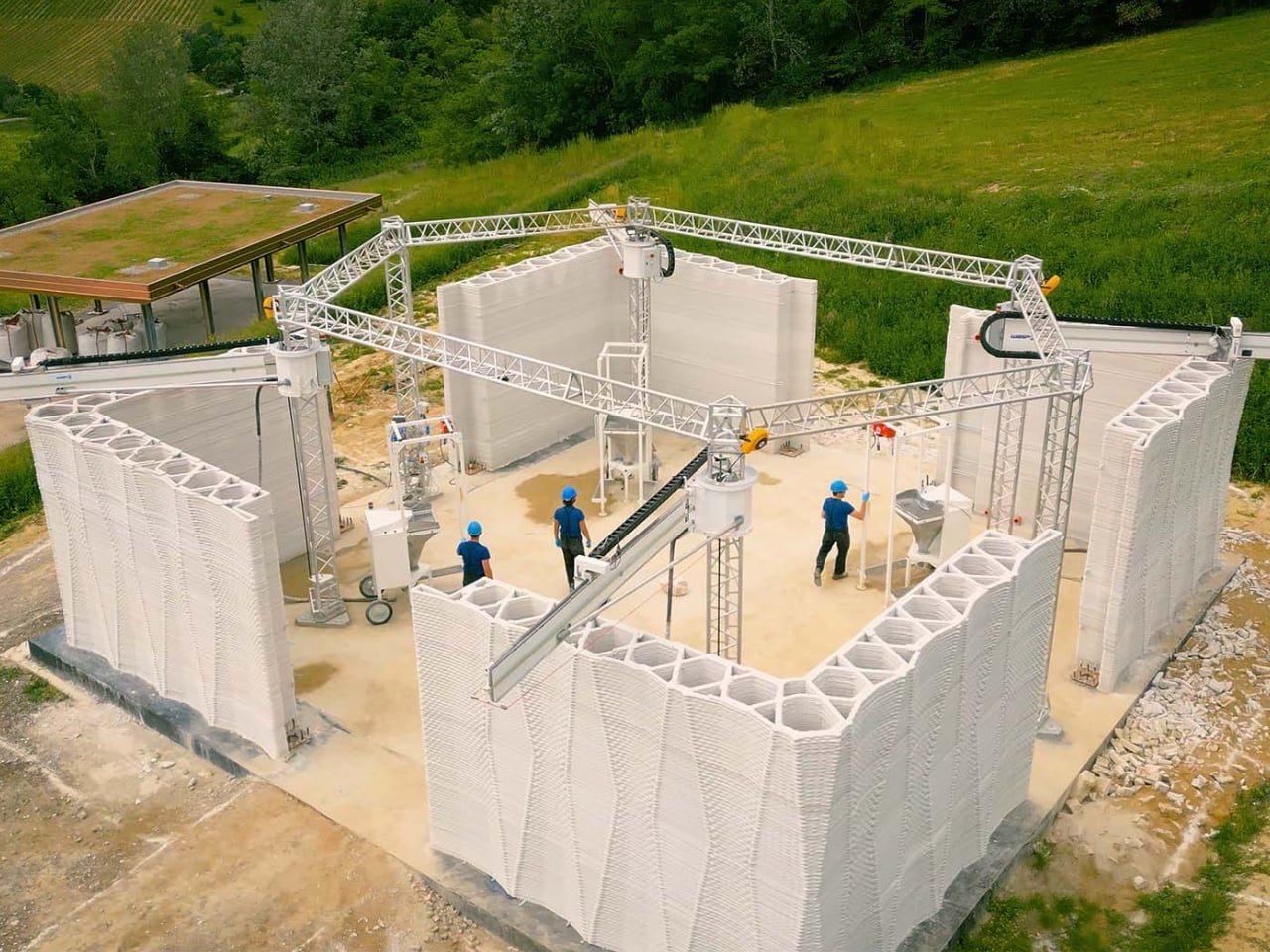
According to the outlet SlashGear, the neighborhood encompasses five 1,000-square-foot houses just north of Sacramento. Each domicile is produced by a hulking concrete printer worth about $1.5 million, which took about 24 days to spit out the first house. In the future, 4Dify expects the whole process to take about 10 days, but that isn't what's astonishing about the Yuba County neighborhood - it's the price tag.
Real estate
fromInfoQ
1 month ago[Video Podcast] AI Autonomy Is Redefining Architecture: Boundaries Now Matter Most
Earlier we did episode one of this with Grady Booch where we discussed the principled view of that what's changing and what remains unchanged, what is hyped and what is actually naturally coming with the AI changes. We also spoke about that what is the difference between the design and the architecture and what teams are focusing and what they might be missing.
Design
fromArchDaily
2 months agoWhen Light Meets Energy in Glass Ceilings
From the large industrial roofs and galleries of the 19th century to the contemporary atriums of museums and public buildings, glass has been a recurring material in shaping large and monumental interior spaces. More than a technological or engineering solution, these horizontal glazed planes introduce a distinct luminous quality: light that comes from above. Unlike lateral daylight entering through façades, zenithal light is more evenly distributed, reduces harsh shadows, and lends spaces a sense of continuity and openness that is difficult to achieve otherwise.
Design
Design
fromFast Company
2 months agoTop architects on the biggest challenges they'll face in 2026
Architects must prioritize collaboration, community-centered design, faster delivery without quality loss, clear high-performance standards, streamlined approvals, and AI-enabled workflows to address housing and infrastructure crises.
[ Load more ]