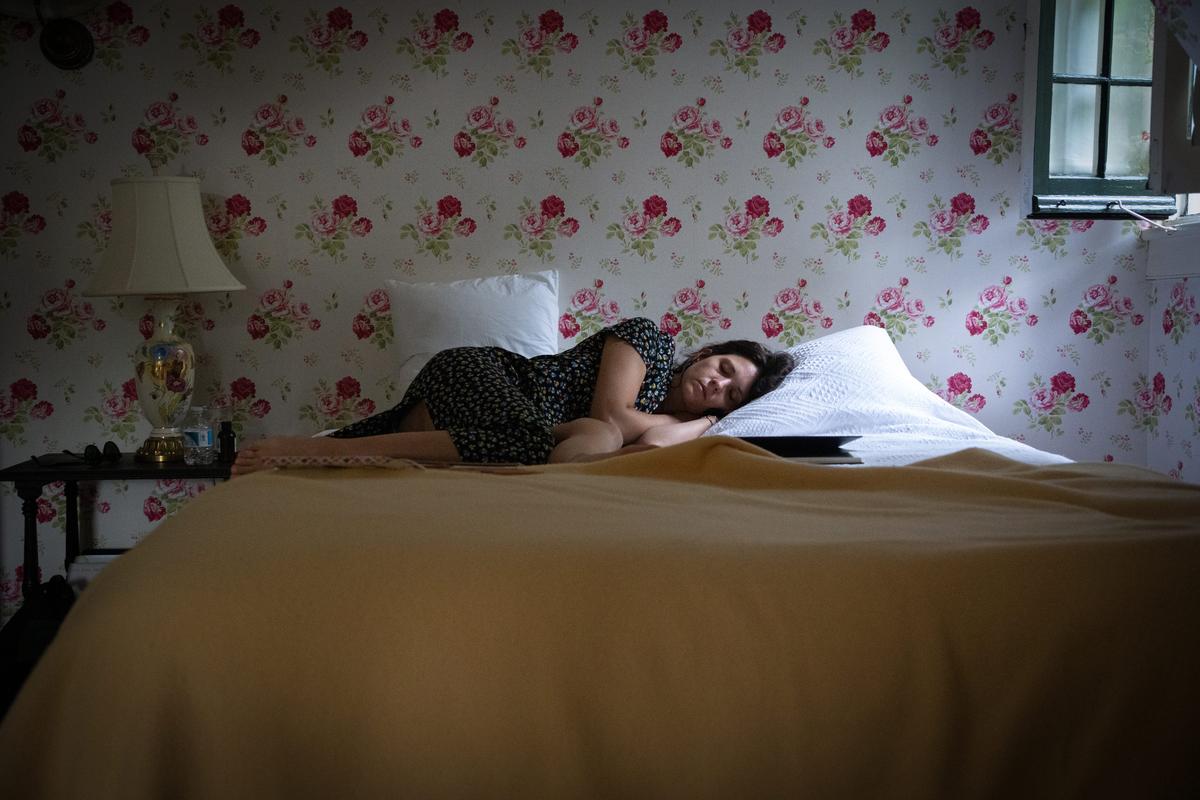
"I love napping. I love napping in the summer, when rhythms are more relaxed and the guilt of taking a break less intense (if only slightly). But I also love napping in the winter, when it's cold outside, and burying myself under a warm blanket makes me feel like I'm hibernating. No matter the season, when lying in bed, I luxuriate in the feeling of my body relaxing, waiting for the moment when odd images start forming somewhere in that space between my closed lids and my corneas - or, most likely, somewhere in my mind. I love drifting into unconsciousness without worrying about the next item on my to-do list. I'm not a sound sleeper or someone who falls asleep easily at night, but napping comes easily and sweetly."
"Yet our culture prizes efficiency and productivity, often seeing sleep as a waste of time. 'Tech bros' boast about regularly working more than 70 hours a week, and aim to reduce their sleep time as much as possible. Elon Musk suggested even more intense work schedules for government workers during his time at the US Department of Government Efficiency (DOGE). His approach resonated with many adherents of the Silicon Valley grind culture, which has sought to 'hack' sleep for a long time."
Personal enjoyment of napping is described across seasons, emphasizing sensory comfort, mental drift, and relief from task-oriented thinking. Night sleep can be difficult, but daytime naps arrive easily and feel restorative. Cultural priorities elevate efficiency and productivity, often framing sleep as wasted time and encouraging extreme work hours. High-pressure workplaces promote reduced sleep and normalize very long weekly hours, while some leaders have pushed for intensified schedules for public workers. Some technology firms introduced workplace nap opportunities, but those measures largely emerged as reactions to exhaustion produced by relentless grind-focused practices.
Read at Aeon
Unable to calculate read time
Collection
[
|
...
]