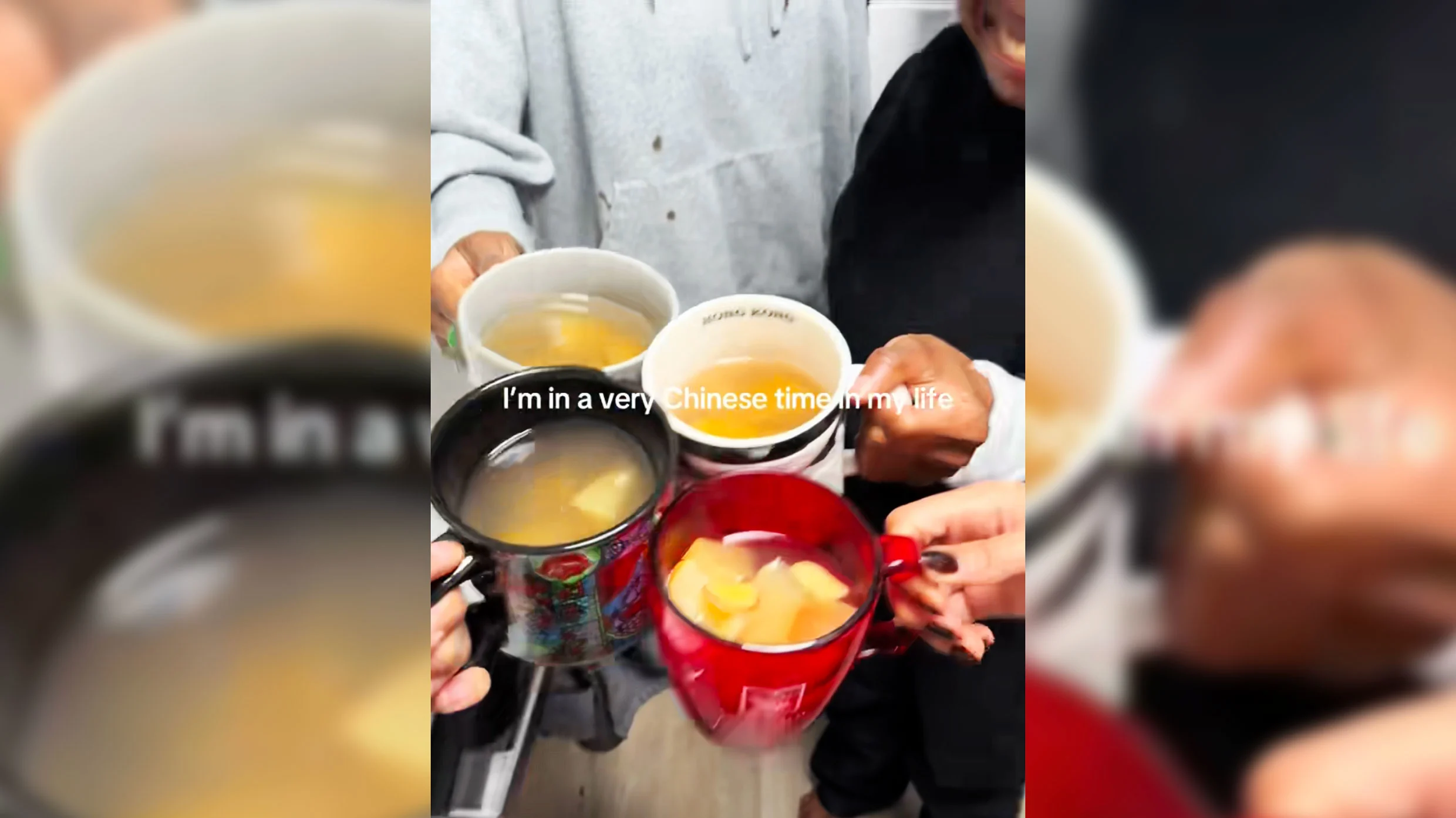
""I see a bunch of Americans drinking hot water with lemon and honey, eating congee, drinking hot pot, drinking more soup, eating Chinese vegetables," one Chinese creator, Emma Peng, recently shared in a TikTok, currently with over 3 million views. "I just want to say that my culture can be your culture. You're doing really good hydrating yourself. I'm proud of you.""
"The " becoming Chinese " trend is currently everywhere on the app, and while the name might give pause, it's mostly about adopting lifestyle habits rooted in traditional Chinese medicine. In the past month or so, Chinese creators have gone viral for espousing the benefits of common Chinese cultural practices, like drinking hot water, wearing house slippers, and trading cold salads and yogurt for hot congee and boiled apples during the colder months. The comment section, meanwhile, is full of Americans diligently taking notes."
"Another creator at the forefront of the trend is Chinese American TikToker Sherry Xiiruii. In one viral clip, with 1.4 million views, she announces: "Tomorrow, you're turning Chinese. I know it sounds intimidating, but there's no point fighting it now - you are the chosen one." Usually, when a trend involves adopting elements from, or "becoming", another culture, it is met with cries of cultural appropriation. Some users have understandably expressed mixed feelings about the cultural practices they were once made fun of for now being repackaged and sold as a viral trend."
A viral social media trend shows Americans adopting everyday Chinese practices rooted in traditional Chinese medicine, such as drinking hot water with lemon and honey, eating hot congee, preferring soups, and wearing house slippers. Chinese creators like Emma Peng and Sherry Xiiruii have posted viral clips encouraging these habits, with several videos reaching over a million views. The trend emphasizes hydration and warmth during colder months and swaps cold salads and yogurt for heated foods like congee and boiled apples. Some observers raise concerns about cultural appropriation and repackaging, but many Chinese creators respond positively and frame the practices as shared wellness habits.
Read at Fast Company
Unable to calculate read time
Collection
[
|
...
]