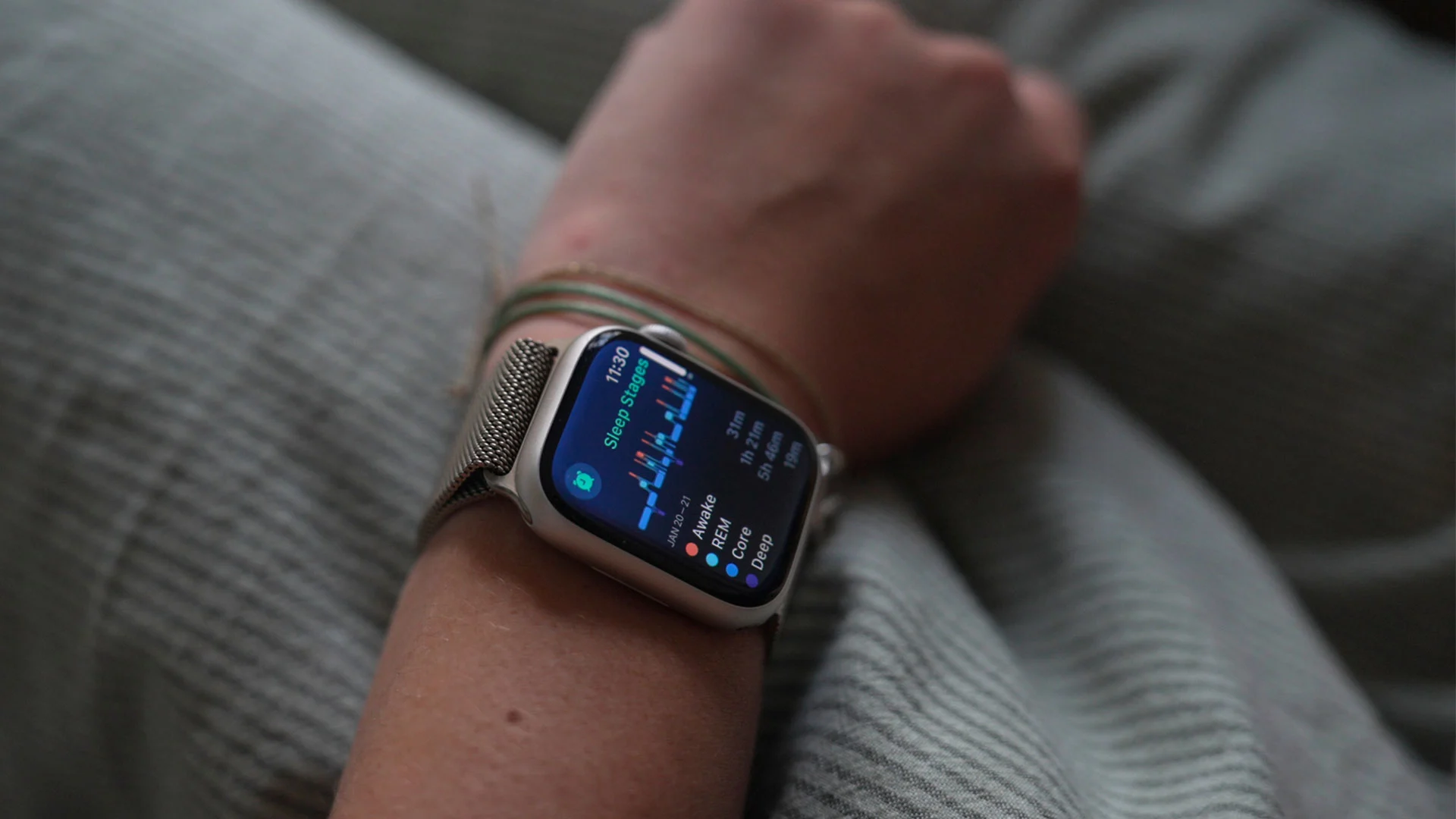
"Whether it's an Apple Watch, a Fitbit, an Oura Ring or one of innumerable other competitors, health and fitness trackers largely take the same basic approach by recording the wearer's movements and heart rate while at rest, according to Daniel Forger, a University of Michigan math professor who researches the science behind sleep wearables."
"If you really want to know definitively how much non-REM sleep you're having versus REM sleep, that's where the in-lab studies really excel," Forger said."
"Millions of people rely on phone apps and wearable devices like rings, smartwatches and sensors to monitor how well they're sleeping, but these trackers don't necessarily measure sleep directly."
Wearable sleep trackers infer sleep from signals such as heart rate and movement rather than directly measuring brain activity. The devices can accurately detect sleep versus wake and provide useful estimates of sleep timing and duration. Algorithms have improved and perform well at identifying when someone is asleep, but estimating sleep stages like REM versus non-REM remains less precise. In-lab polysomnography remains the definitive method for distinguishing sleep stages. The consumer market generated about $5 billion in 2023 and is expected to double by 2030. Many users focus on granular sleep scores despite the trackers' limitations.
Read at Fast Company
Unable to calculate read time
Collection
[
|
...
]