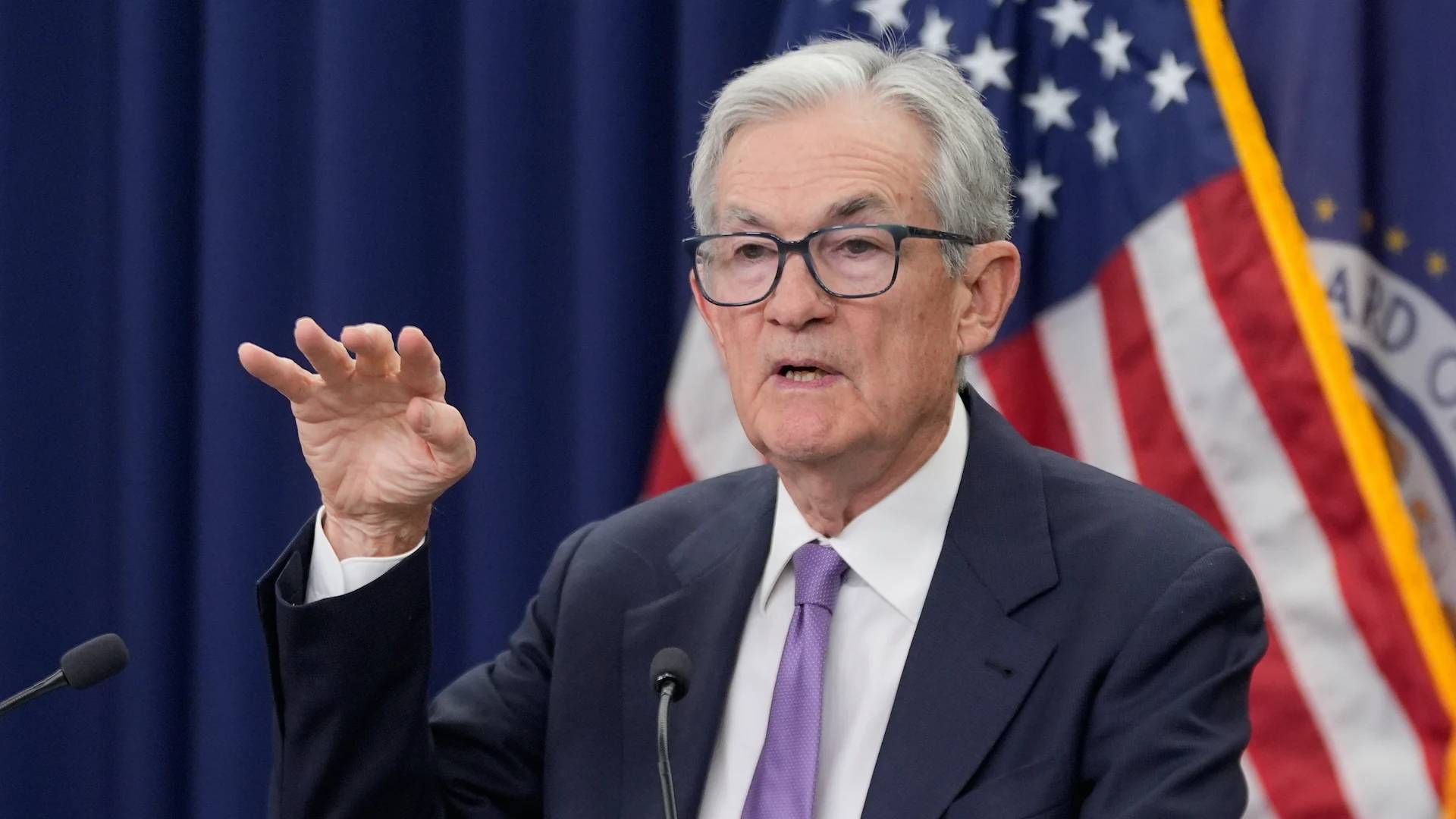
"The Fed's 19-member rate-setting committee is sharply divided over whether to lower borrowing costs again. The divisions have been exacerbated by the convoluted nature of the economy: Inflation remains elevated, which would typically lead the Fed to keep its key rate unchanged, while hiring is weak and the unemployment rate has risen, which often leads to rate cuts."
"Some economists expect three Fed officials could vote against the quarter-point cut that Powell is likely to support at the Dec. 9-10 meeting, which would be the most dissenting votes in six years. Just 12 of the 19 members vote on rate decisions. Several of the non-voting officials have also said they oppose another rate cut."
"The debate, which has also been fueled by a lack of official federal data on employment and inflation during the government shutdown, could be a preview of where the Fed is headed after Powell's term as chair ends in May. His successor will be appointed by President Donald Trump and is widely expected to be Kevin Hassett, the top White House economic adviser. Hassett may push for faster cuts than other officials would be willing to support."
The Federal Reserve faces a contentious meeting as its 19-member rate-setting committee is sharply split over a probable quarter-point rate cut. Elevated inflation argues for holding rates steady while weak hiring and a rising unemployment rate argue for easing, creating conflicting policy signals. Some officials and non-voting members oppose another cut, and a few economists expect multiple dissenting votes. A lack of official employment and inflation data from the government shutdown complicates decision-making. The succession after the chair’s term could shift policy direction, with Kevin Hassett expected to favor faster cuts.
Read at Fast Company
Unable to calculate read time
Collection
[
|
...
]