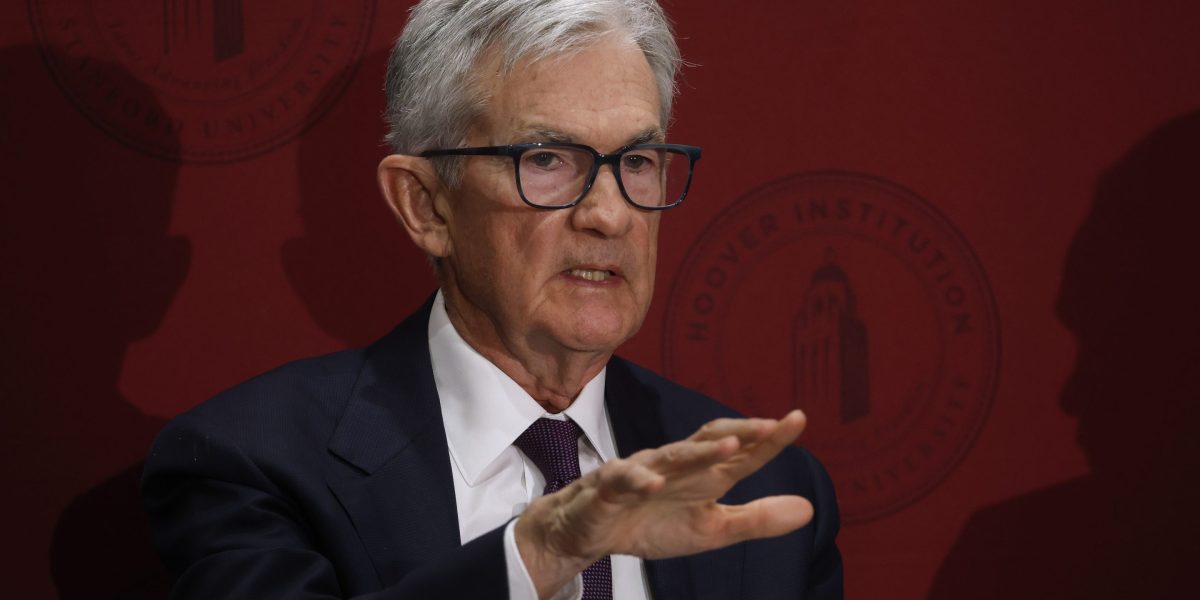
"The Federal Reserve cut rates for a third straight meeting on Wednesday in what analysts call a "hawkish" move: an attempt to support a softening labor market while signaling reluctance to keep cutting. The move was widely anticipated, but the tone was not. Officials paired it with with firmer language about the "extent and timing" of additional adjustments, phrasing that, in what economists call Fed-speak, raises the bar for further cuts and underscores the committee's unease about inflation, which the statement noted has "moved up" and "remains somewhat elevated.""
"The decision also exposed the widening fractures inside the central bank toward the end of Chair Jerome Powell's term. Three officials dissented, but in opposite directions: Stephen Miran pushed for a larger 50-basis-point cut, while Austan Goolsbee and Jeffrey Schmid argued the Fed should hold rates steady. It's the rare meeting where hawks and doves both object, a scenario analysts had warned was increasingly probable as disagreements sharpened over how quickly the labor market is cooling, and how much restraint inflation still requires."
Federal Reserve lowered its policy rate for a third consecutive meeting, coupling the cut with firmer language about the "extent and timing" of future adjustments to signal reluctance to continue cutting. The statement noted inflation has "moved up" and "remains somewhat elevated," raising the bar for additional reductions. Three officials dissented in opposite directions: one pushed for a larger 50-basis-point cut while two preferred holding rates steady, reflecting widening internal fractures. The decision was justified primarily by weakening labor-market conditions—slowing hiring and a modest rise in unemployment—and the meeting carried added weight as possibly the last with Chair Jerome Powell's full authority.
Read at Fortune
Unable to calculate read time
Collection
[
|
...
]