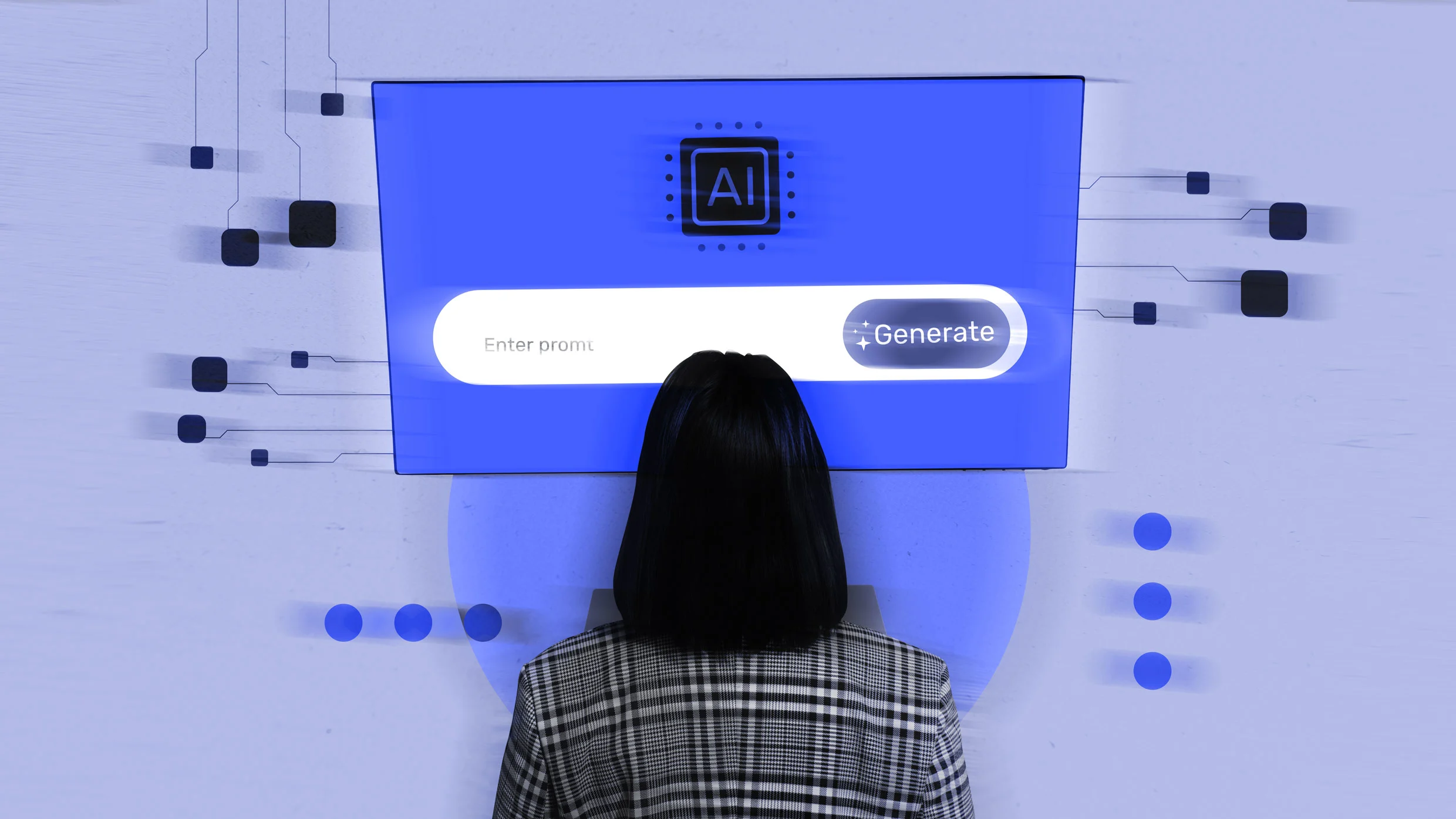
"It's too early to say what kind of productivity gains the current wave of agents will create, but the push to agents is undeniable. It's also very exclusive. For all the talk of, "the only coding language you need to know is English," there are technical barriers to joining this wave."
"To help non-coders overcome some of the technical barriers to building and working with agents, AI companies have begun to release products that abstract away some of the more difficult parts. Anthropic released Claude Cowork-essentially Claude Code for the rest of us. More recently, Perplexity launched Computer, its "general-purpose digital worker" that users can prompt in natural language and watch it go to work."
"It all sounds magical, and if you squint, you might even see a near future where knowledge work, and especially editorial work, transforms: instead of pulling levers on various software menus and dashboards, you'll just talk to agents. They'll handle the hard stuff, and if they run into barriers, you'll just ask another agent to build the solution."
2026 is positioned as the year of AI agents, driven by tools like Claude Code and OpenClaw gaining critical adoption. While companies promote the idea that English is the only coding language needed, significant technical barriers persist. To democratize agent creation, AI companies have released no-code products like Claude Cowork and Perplexity's Computer, allowing non-technical users to build and interact with agents through natural language prompts. The vision suggests knowledge work could transform dramatically, with agents handling complex tasks and building solutions autonomously. However, reality proves more complicated than the marketing suggests, requiring process breakdown and technical configuration even with no-code systems.
#ai-agents #no-code-tools #productivity-automation #knowledge-work-transformation #technical-accessibility
Read at Fast Company
Unable to calculate read time
Collection
[
|
...
]