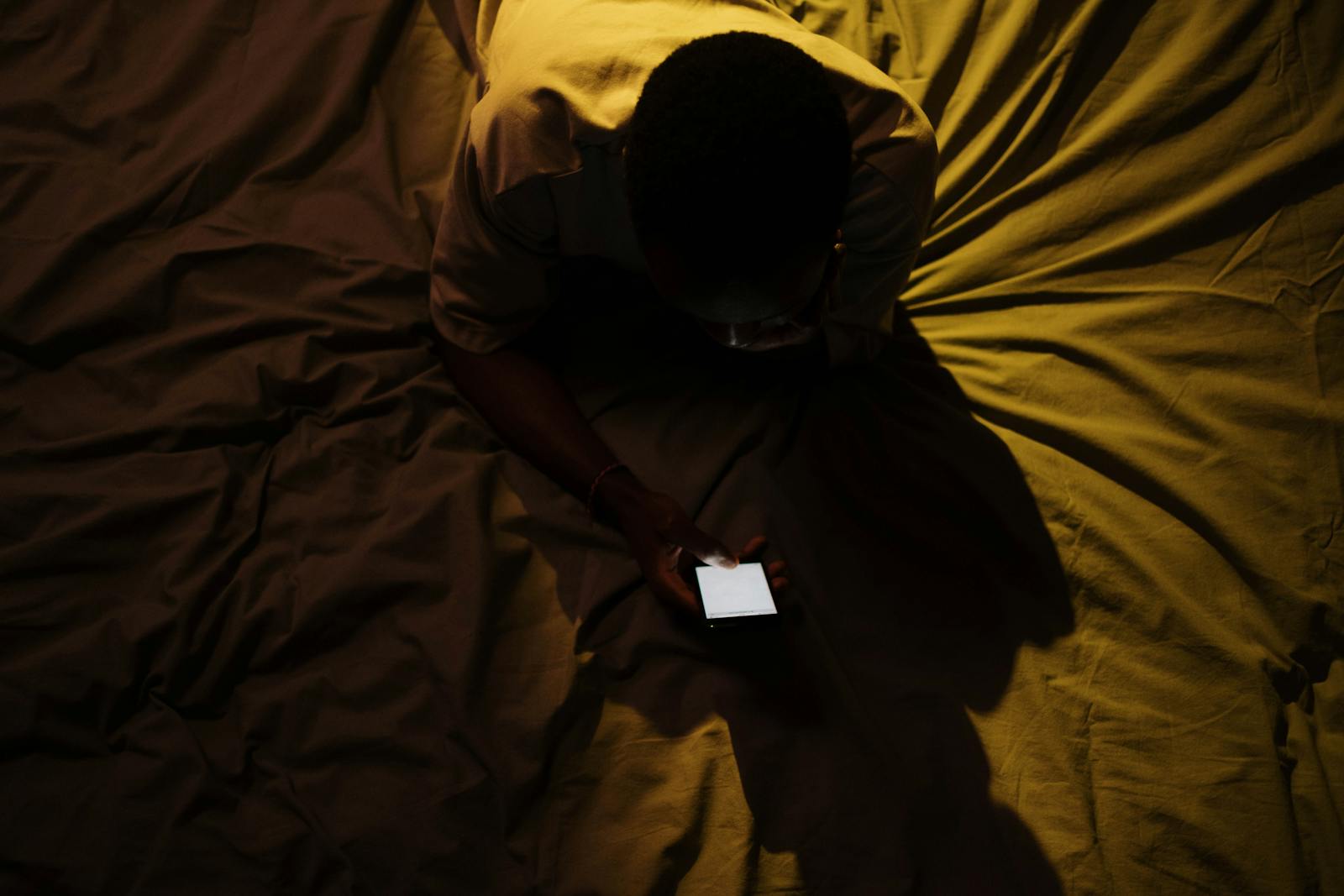
"The most intimate relationship most people have right now is not with their partner, their best friend, or their therapist. It's with a device that weighs less than 200 grams and knows, with startling precision, exactly when they're bored, lonely, anxious, or craving validation."
"When something consistently responds to your emotional state - when it offers comfort at 2am, distraction during discomfort, novelty during boredom, and connection during isolation - the brain doesn't particularly care whether the source of that response has consciousness behind it."
"What I want to examine here is the deeper psychological mechanism: how algorithmic systems have quietly inserted themselves into the role that human relationships are supposed to play, and what that means for our capacity to be in real relationships at all."
The relationship people have with their phones surpasses that of partners or friends, as phones respond to emotional needs with precision. The focus on screen time overlooks the deeper issue: phones learn to cater to emotional states, leading individuals to rely on them for comfort and connection. This reliance diminishes expectations from human relationships, as phones fulfill roles traditionally held by people. The article emphasizes the need to understand the psychological impact of algorithmic systems on real relationships rather than merely advocating for digital detoxes.
Read at Silicon Canals
Unable to calculate read time
Collection
[
|
...
]