Financial institutions and insurers used redlining to mark neighborhoods with predominantly minority and lower-income residents. They refused new loan approvals, raised insurance premiums, or denied coverage. Landlords lost access to capital for property improvements and faced tenant loss due to disrepair. Higher insurance costs further worsened financial strain. Property values declined sharply, leading some owners to find insurance payouts exceeded the value of their buildings. Some responded by committing arson, fueling destructive fires and national notoriety. Later state and federal aid helped the Bronx recover, and redlining is now outlawed, though housing challenges persist, including deteriorating conditions in NYCHA buildings and ongoing debates about privatization.
"Financial institutions and insurers drew red lines on maps of neighborhoods with a predominantly minority and lower-income population. They refused to offer residents approval for new loans; they increased insurance premiums or provided no coverage at all. Without loans to raise capital, landlords lost their ability to improve their properties, and lost tenants due to disrepair. Adding insult to injury, their insurance premiums went up."
"Property values declined precipitously to the point where some owners realized their insurance claim coverage was worth more than the building they owned. And some of them cashed out they only way they could: through arson. The fiery urban blight in the borough attracted national infamy. Millions in state and federal aid were invested in the late 1970s and early 1980s to turn the Bronx around for the better."
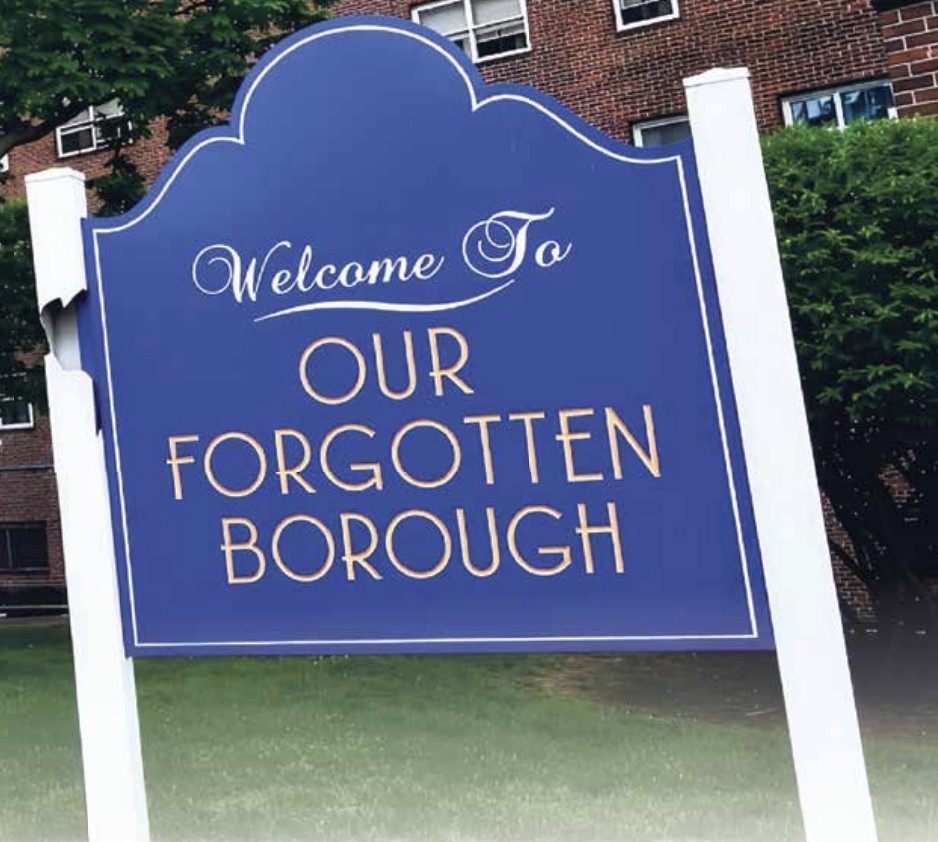
"The Bronx is no longer in ash-covered ruins nearly five decades later. Redlining, as an official practice, is outlawed. Nevertheless, landlords and tenants today are struggling with a number of issues that we'll tackle in this month's edition of Our Forgotten Borough. Some of the biggest housing challenges facing Bronx residents can be found in apartment buildings operated by the city's largest and most notorious landlord: the New York City Housing Authority."
"From winter heat outages to elevator failures year-round, NYCHA residents deal with one headache after another in their aging buildings and often endure long waits for them to be corrected. The state of NYCHA buildings has sparked a citywide debate over whether the privatization of entire buildings or campuses could finally improve conditions for residents. Some success stories have risen in the Bronx amid the skepticism."
Read at Bronx Times
Unable to calculate read time
Collection
[
|
...
]