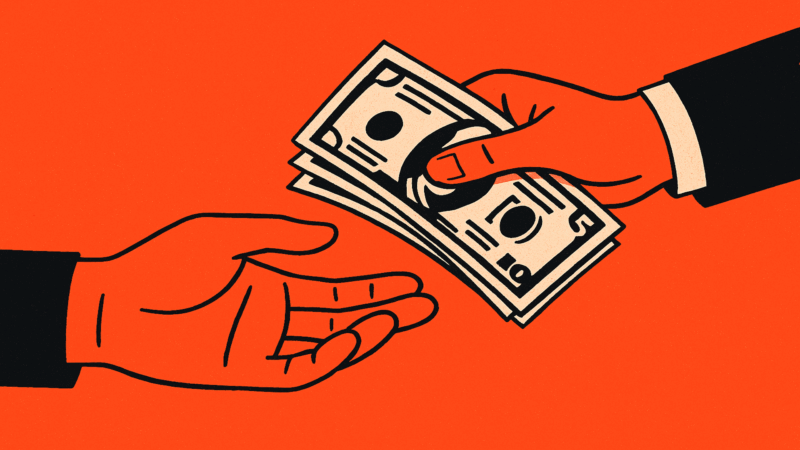
"Most organizations talk a good game about loyalty, but miss the moment of truth: what happens when someone walks away. Whether it's a customer canceling a contract or a valued employee handing in her resignation, the loss stings. But here's the upside: win-backs can be far more potent than acquisitions. People who return - employees or customers - often become more loyal than those who never left. But only if the organization earns the return."
"Organizations love to frame departures as sudden or unexpected. But they rarely are. Exits happen because a gap forms between expectations and experience. People disconnect first, then they leave. Leaving is the final act. The real departure happens long before. For example: A customer stops logging in. A subscriber stops opening emails. An employee mentally checks out in meetings. A high performer quietly stops volunteering for stretch work."
"You can boil almost every customer or employee exit down to four categories: A value gap: What I receive no longer matches what I pay (customers) or what I give (employees). A trust gap: Promises made are not kept. An experience gap: The way I'm treated doesn't match the way you say you treat people. A growth gap: I can no longer see a future with you."
Most organizations talk about loyalty but fail at the moment when someone walks away, whether a customer cancels or an employee resigns. Win-backs can be more potent than acquisitions when returnees perceive genuine change. Exits result from a widening gap between expectations and experience; disconnection precedes departure. Early signals include reduced logins, unopened emails, mental disengagement, or declining initiative. Four core gaps drive exits: value, trust, experience, and growth. Organizations that ignore early alarms only see departures on dashboards after the emotional decision is made. Credible invitations to return must demonstrate meaningful, observable change.
Read at MarTech
Unable to calculate read time
Collection
[
|
...
]