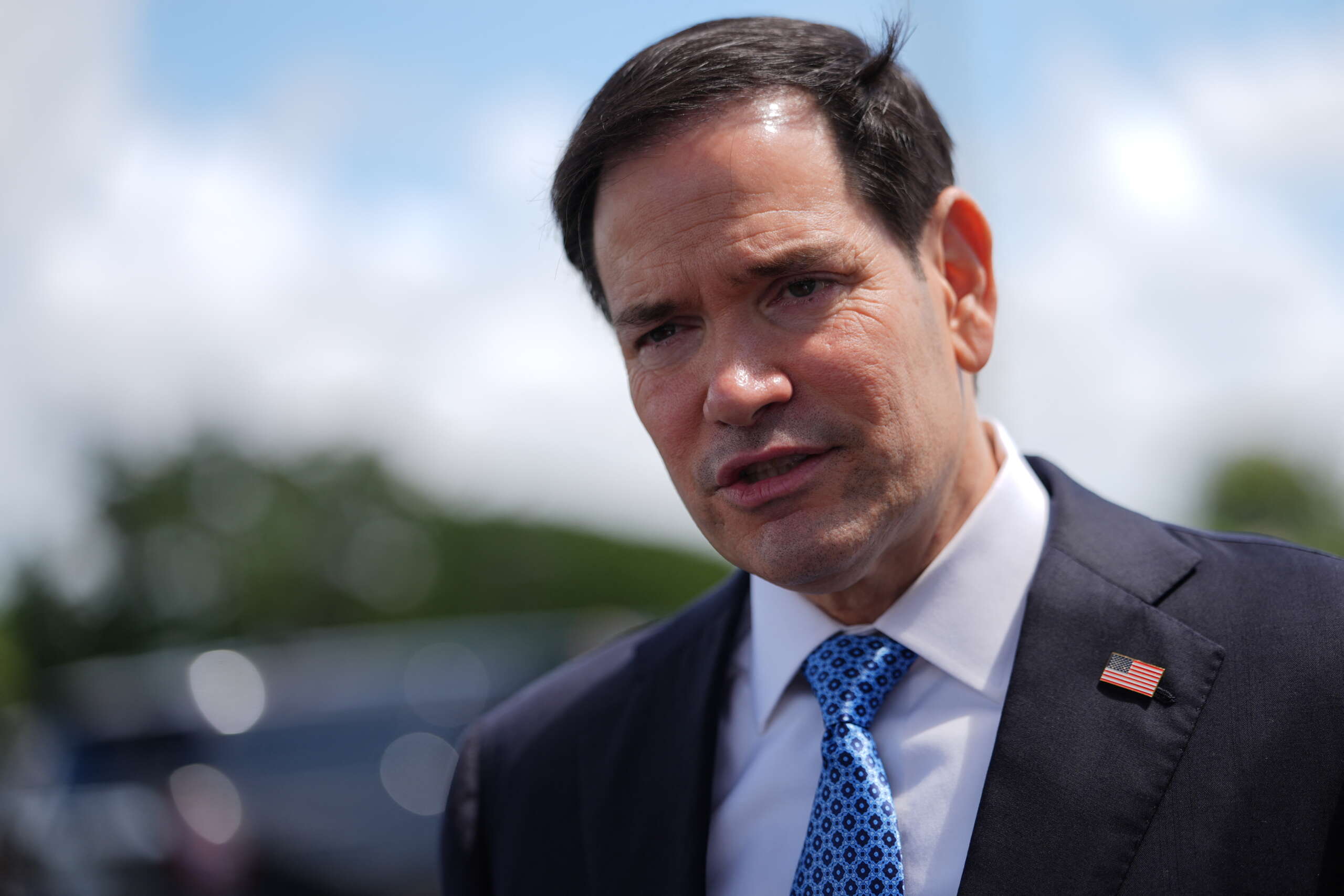
The United States supported Bolivia’s constitutional government during three weeks of protests. Secretary of State Marco Rubio stated the protesters were criminals and drug traffickers and said the United States would not allow democratically elected leaders to be overthrown. Protests in La Paz began with Indigenous groups and workers erecting road blockades and demanding President Rodrigo Paz’s resignation. The protests spread nationwide, led by union members, miners, transport workers, peasants, and Indigenous people. Paz had been in office six months and ended an Indigenous left-wing coalition government. He ended fuel subsidies, promised economic shock therapy and free market reforms, and restored relations with the United States. Earlier protests followed the removal of fuel subsidies, with gasoline and diesel prices rising sharply.
"Rubio wrote on X that the United States "stands squarely in support of Bolivia's legitimate constitutional government," smearing the protesters as "criminals and drug traffickers" who he would not allow to "overthrow democratically elected leaders in our hemisphere.""
"Rubio's comments on Bolivia came after three weeks of protest in La Paz, Bolivia, as Indigenous groups and workers erected road blockades across the city, demanding the resignation of President Rodrigo Paz. The protests then spread across the country, led by union members, miners, transport workers, peasants and Indigenous people."
"President Rodrigo Paz has only been in office six months. When Paz, a pro-business conservative and Trump ally, took office, he ended nearly two decades of an Indigenous left-wing coalition government and promised "capitalism for all." He also ended two decades of fuel subsidies, promising "economic shock therapy," free market regulations, and restored relations with the U.S."
"The lifting of fuel subsidies "provoked an immediate economic shock," with the price of gasoline rising by 86 percent and diesel by 160 percent. Protests and marches lasted for 24 days before this initial wave of demonstrations died down. The latest wave of protests began on May 6 against Paz's free market policies and more recent land reform policy favoring agribusiness."
Read at Truthout
Unable to calculate read time
Collection
[
|
...
]