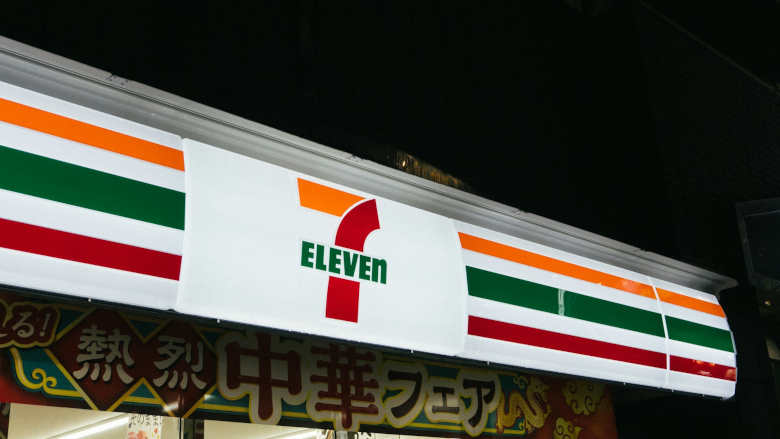
"The breach, discovered on Apr. 8, involved an unauthorized party accessing organization systems storing franchisee documents. According to a filing with the Office of the Maine Attorney General, the impacted data was information provided in franchise applications, which may have included names, addresses, and other data elements. What those other data elements may be has not yet been confirmed."
""Until 7-Eleven discloses what data was compromised, it's difficult to give advice on what breach victims should do next," says Paul Bischoff, Consumer Privacy Advocate at Comparitech. "Normal 7-Eleven customers should have little to worry about - the credit card you used to pay for gas hasn't been stolen. This looks like a breach of internal data, so employees and possibly loyalty program members could be at risk. Breach victims should be on the lookout for targeted phishing emails from scammers posing as 7-Eleven or a related company.""
""What stands out in this incident is not just the breach itself, but the target profile," comments Ensar Seker, CISO at SOCRadar. "Franchise ecosystems create a very different risk surface compared to centralized enterprises. Even if customer-facing systems remain unaffected, franchisee portals often contain highly sensitive operational, financial, legal, and identity-related documentation that can be leveraged for fraud, extortion, social engineering, or supply chain pivoting.""
"The cybercriminal organization ShinyHunters has claimed responsibility for this incident. This continues a growing string of attacks from the group, who have recently been responsible for incidents against Medtronic, Vercel, and even Instructure, the parent company of Canvas. "ShinyHunters continues to demonstrate that attackers increasingly prioritize business ecosystems over individual endpoints," says Seker."
A data breach at 7-Eleven was discovered on Apr. 8. An unauthorized party accessed organization systems that stored franchisee documents. A filing with the Office of the Maine Attorney General states the impacted data was information provided in franchise applications, which may have included names and addresses and other data elements. The specific additional elements have not been confirmed. Guidance indicates normal customers likely do not face card theft risk because payment card data was not reported as stolen. The risk is more likely to involve employees and possibly loyalty program members, with attention needed for targeted phishing. The incident was claimed by ShinyHunters, which has also been linked to attacks on other organizations.
Read at Securitymagazine
Unable to calculate read time
Collection
[
|
...
]