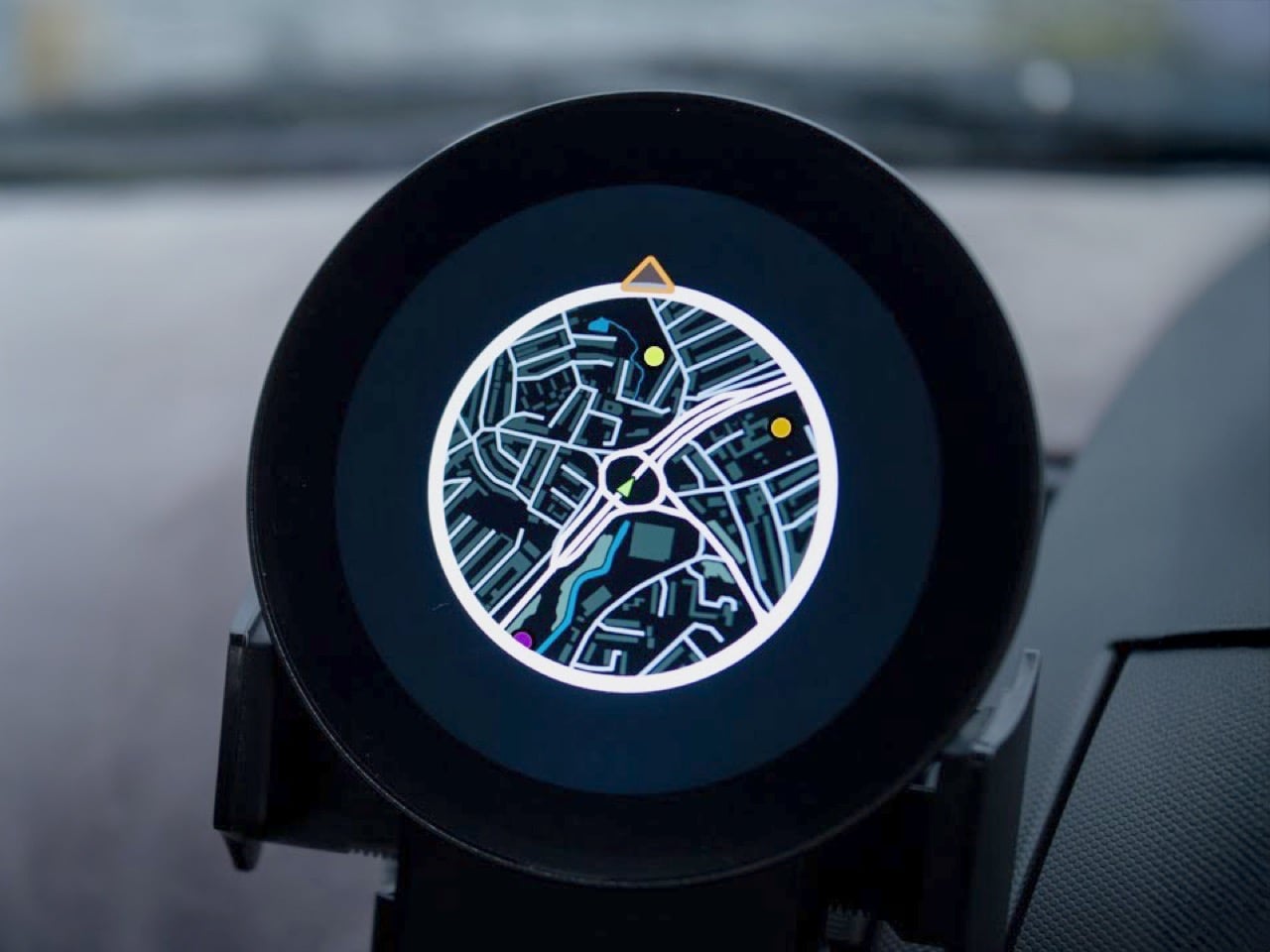
"The mini map has been a staple of racing and open-world games for decades, teaching us to navigate virtual cities with quick glances at a corner of the screen. A developer has now made that experience tangible, building a GPS-based mini map system for actual driving that recreates the look and feel of Need for Speed Underground 2. What everyone said was impossible on an ESP32 microcontroller is now working smoothly in a real car, tracking position, displaying waypoints, and making everyday drives feel unexpectedly game-like."
"The ESP32 loads them dynamically based on your heading, only pulling in new tiles from the direction you're traveling because each one takes a tenth of a second to load. We're talking weeks of optimization just to get map tiles loading fast enough, clever tricks to avoid tanking the frame rate, and some creative compromises that make the whole thing feel polished despite running on hardware that costs less than takeaway for two."
The project runs on an ESP32-P4 paired with a 3.4-inch 800×800 WaveShare display to render a Need for Speed Underground 2–style mini-map for real driving. The system maps the entire UK into 2.5 million tiles totaling 236 GB stored on an SD card, and it dynamically loads tiles based on vehicle heading, pulling new tiles only from the travel direction. Tile loading takes roughly a tenth of a second, requiring weeks of optimization and tricks to preserve frame rate. Map generation used QGIS, Ordnance Survey roads, UK transportation waypoints, and OpenStreetMap petrol station data parsed by Python. All code is open source.
Read at Yanko Design - Modern Industrial Design News
Unable to calculate read time
Collection
[
|
...
]