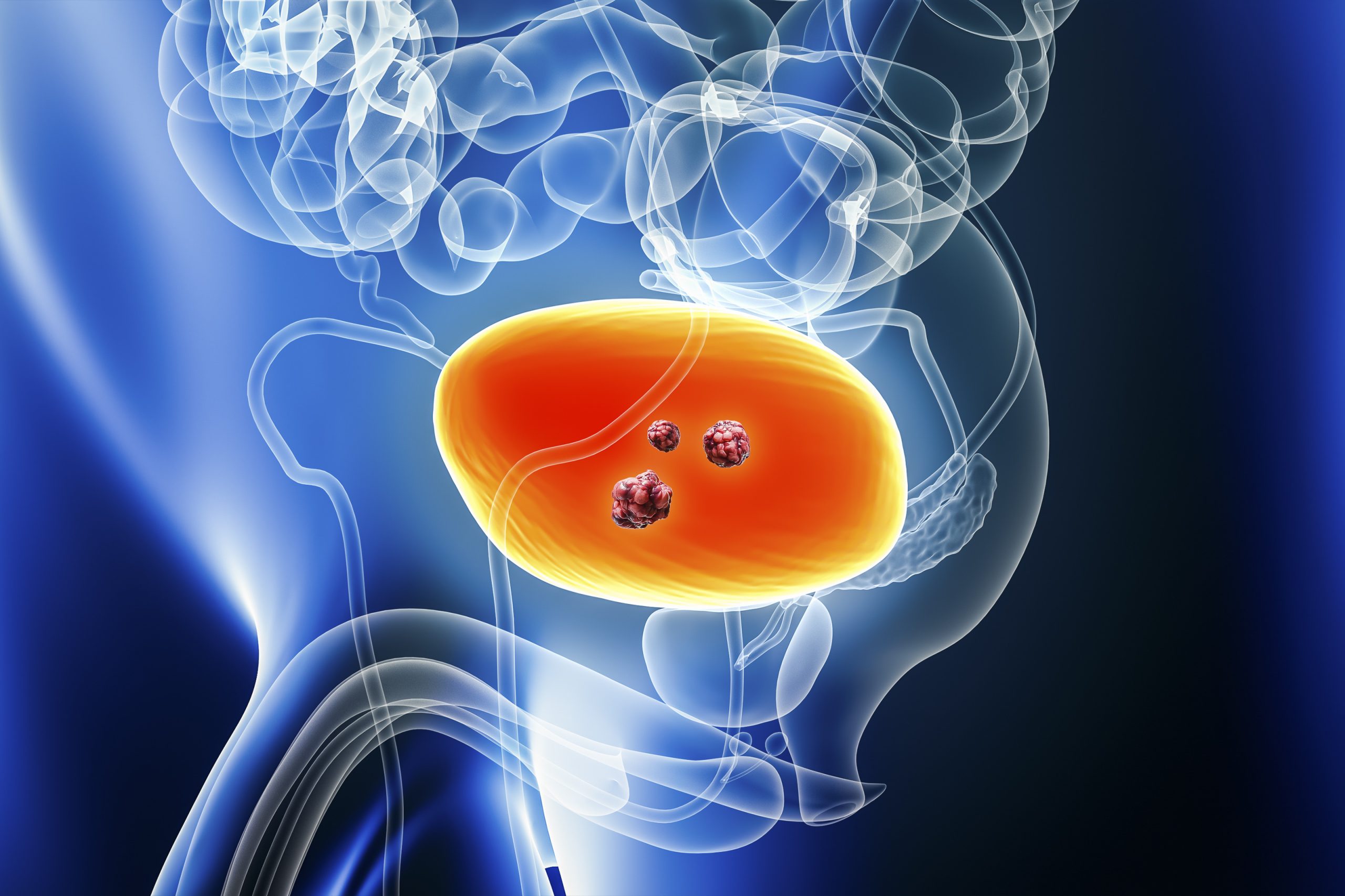
"High-risk non-muscle-invasive bladder cancer returns after treatment in roughly 30 percent of patients and leads to death in about 10 percent within two years, even after tumor resection, intensive surveillance and treatment with the standard immunotherapy known as bacillus Calmette-Guérin (BCG)."
"We have this drug, BCG, that's been around as our standard of care for 50 years. It works pretty well in about three‑quarters of people. We had the question: Why do some tumors respond and some do not?"
"Using a "multi-omics" approach that combined transcriptomic profiling, targeted genomic sequencing, single-cell RNA sequencing and spatial transcriptomics, the team analyzed tumor samples from patients with high-risk bladder cancer. Their work revealed that these tumors are not biologically uniform. Instead, they fall into four molecular subtypes, each defined by unique patterns of gene expression and immune activity."
"They found that one cancer subtype demonstrated the strongest response to BCG immunotherapy, suggesting that tumors with preexisting immune activity may be primed to benefit from immune-based treatments."
High-risk non-muscle-invasive bladder cancer recurs in about 30% of patients and causes death in about 10% within two years despite tumor resection, intensive surveillance, and BCG immunotherapy. A global BCG shortage has increased urgency by forcing delays or treatment modifications. BCG has been standard for 50 years and works in roughly three-quarters of patients, but responses vary. Multi-omics analysis using transcriptomic profiling, targeted genomic sequencing, single-cell RNA sequencing, and spatial transcriptomics shows tumors are not biologically uniform. Tumors fall into four molecular subtypes with distinct gene expression and immune activity patterns. One subtype shows the strongest BCG response, suggesting preexisting immune activity may prime tumors for immune-based treatment.
Read at News Center
Unable to calculate read time
Collection
[
|
...
]