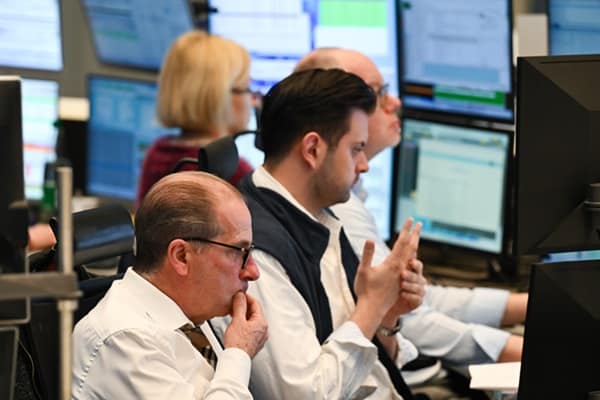
"By May 7, nearly 85% of S&P 500 companies had reported quarterly earnings, with most surpassing analyst expectations. Technology stocks led the gains, particularly companies linked to AI infrastructure and digital innovation, while energy and utilities sectors lagged behind."
"Weekly unemployment claims came in below expectations, while continuing claims fell to their lowest level since 2024. In addition, the U.S. economy added 115,000 jobs in April, significantly above forecasts, with healthcare, transportation, retail, and warehousing contributing strongly to employment growth."
"However, workforce participation fell to its lowest level since 2021, suggesting some underlying weakness beneath the headline numbers. Layoffs in the technology sector also continued to rise, with many companies citing AI-driven restructuring and efficiency measures as key reasons for workforce reductions."
"Despite these positive developments, consumer sentiment weakened sharply. The University of Michigan's consumer sentiment index fell to a record low as concerns around inflation, tariffs, and rising fuel prices continued to weigh on households. Overall, markets remain optimistic about corporate profitability and AI-driven growth, but consumer confidence and labour market participation remai"
U.S. equity markets increased during the week, supported by stronger-than-expected corporate earnings and ongoing investor enthusiasm for artificial intelligence. By May 7, nearly 85% of S&P 500 companies had reported quarterly earnings, with most beating analyst expectations. Technology stocks led gains, especially firms tied to AI infrastructure and digital innovation, while energy and utilities lagged. Labor market data showed resilience, with weekly unemployment claims below expectations and continuing claims at the lowest level since 2024. The economy added 115,000 jobs in April, driven by healthcare, transportation, retail, and warehousing, though workforce participation fell to the lowest level since 2021. Technology layoffs continued to rise due to AI-driven restructuring. Construction spending rebounded, and factory orders increased on stronger demand for electronic products and AI-related infrastructure, while consumer sentiment fell to a record low amid inflation, tariffs, and fuel price concerns.
Read at London Business News | Londonlovesbusiness.com
Unable to calculate read time
Collection
[
|
...
]