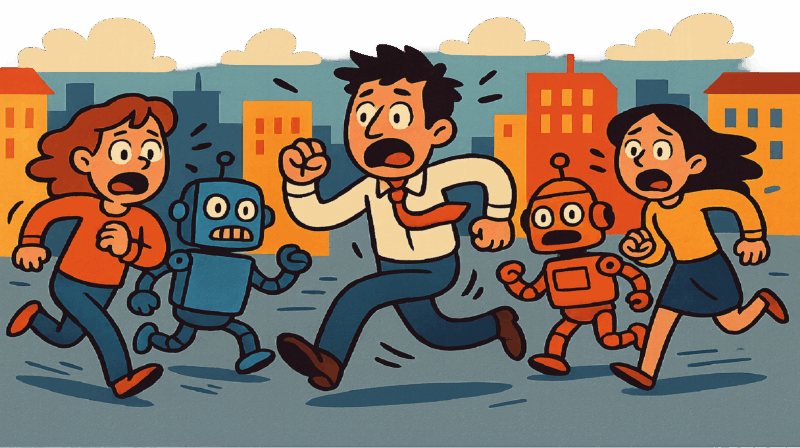
"I started working in digital in 1989, when most people hadn't even heard of the internet. At CompuServe, I helped businesses move offline communications online - groundbreaking work at the time. We used to joke that we weren't on the cutting edge. We were on the bleeding edge. Back then, the internet was mysterious, messy and a little frightening. And I'm getting that same feeling again today - only now, the technology is artificial intelligence."
"When the internet went mainstream in the 1990s, the public conversation sounded a lot like today's AI debate. People worried about privacy - cookies and tracking - and the Internet Engineering Task Force floated limits on cross-site cookies. They also worried about misinformation (remember the cyberporn panic?), and automation raised concerns about job loss and worker displacement. There were fears about who was really in control of this new, invisible network connecting everything."
Work in digital began in 1989 at CompuServe, helping businesses move offline communications online and operating on the 'bleeding edge.' The early internet felt mysterious, messy and frightening, and the same feeling is occurring now with artificial intelligence. AI is expected to reshape how people communicate, learn and conduct business, following a pattern of excitement, fear, resistance and eventual acceptance. The 1990s internet panic involved privacy concerns (cookies and tracking), misinformation and automation-related job fears, along with control anxieties. Marketers experimented early, made privacy mistakes and suffered spam. Regulations, industry standards and consumer adaptation eventually normalized the internet.
Read at MarTech
Unable to calculate read time
Collection
[
|
...
]