#waterfront-alliance
#waterfront-alliance
[ follow ]
#sustainability #architecture #community-engagement #infrastructure #affordable-housing #art #climate-change
#sustainability
SF food
fromSan Francisco Bay Times
16 hours agoFrom Mocktail to Mission: Drinking to a Greener San Francisco - San Francisco Bay Times
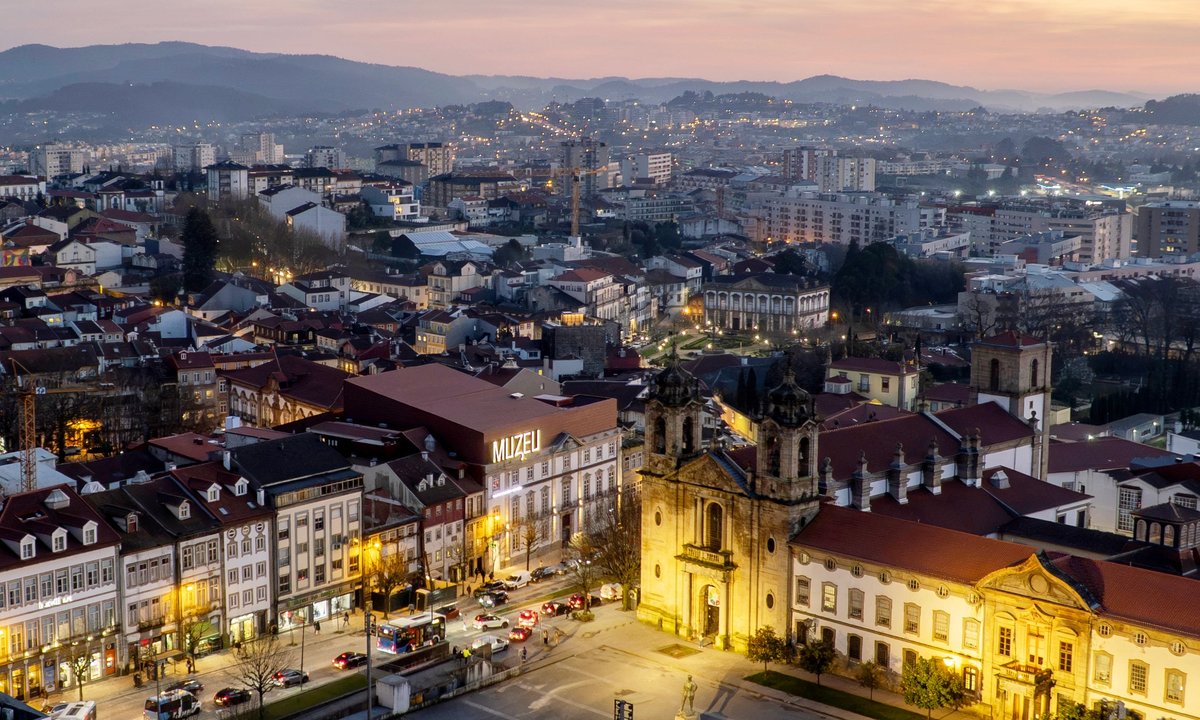
April is Earth Month, highlighting businesses like Mission Rock Resort that prioritize sustainability year-round and are certified by the San Francisco Green Business Program.

Non-profit organizations
fromNonprofit Quarterly | Civic News. Empowering Nonprofits. Advancing Justice.
1 day agoEarth Day Is for the Planet. What About the People Protecting It? | Nonprofit Quarterly | Civic News. Empowering Nonprofits. Advancing Justice.
Conservationists face moral injury from witnessing environmental harm without adequate support, highlighting the psychological toll of their commitment to protecting the planet.
fromArchDaily
1 day agoReclaiming the Street: Alejandra Ferrera on Architecture and Urban Life in Honduras
Alejandra Ferrera emphasizes that the security-driven design, while functional at the time, has led to a fragmented urban experience where streets serve only as transit voids, lacking social engagement.
Madrid food
Philosophy
fromThe Village Voice
3 days agoHistoric Preservation as Cultural Self-Reflection: Reclaiming Stories, Identity, and Meaning in a Changing Urban Landscape - The Village Voice
Historic preservation is a cultural practice that shapes community identity and values, rather than merely a technical effort to protect old buildings.
fromwww.housingwire.com
2 days agoNAR's strategic plan gets a tune-up as leadership pushes for faster results
Nykia Wright, CEO of NAR, stated, "Rebuilding trust requires more than words—it requires visible progress. That's why we're committed to sharing clear, regular updates that show members how this work is making a real difference."
Real estate
fromEast Bay Express | Oakland, Berkeley & Alameda
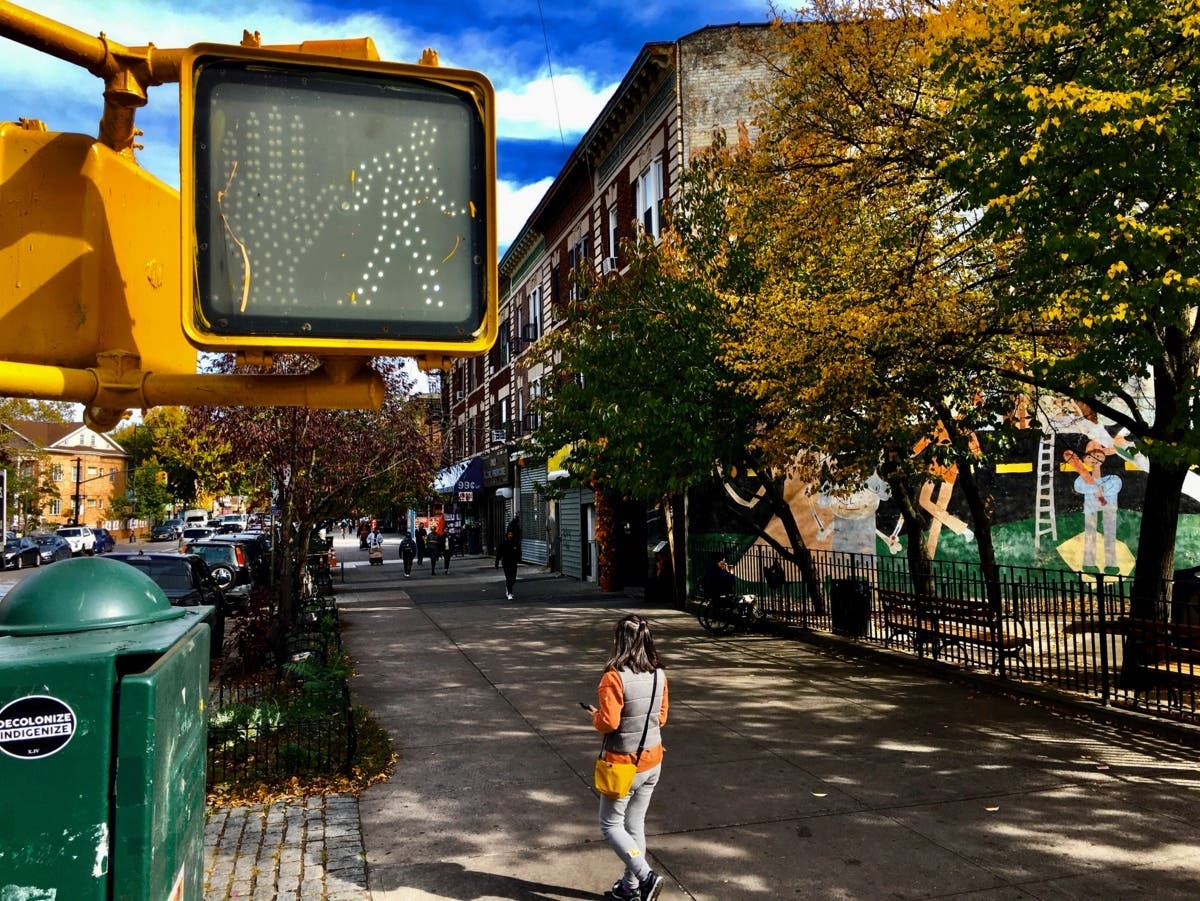
2 days agoFrom totally harsh to thriving marsh
The transformation of Pacheco Marsh from a scarred dumping ground into a pristine wetland represents a significant achievement in environmental restoration, showcasing the potential for nature to reclaim industrial sites.
Mission District
Agriculture
fromNonprofit Quarterly | Civic News. Empowering Nonprofits. Advancing Justice.
1 day agoA Vision of Food Justice, Collective Care, and Safety | Nonprofit Quarterly | Civic News. Empowering Nonprofits. Advancing Justice.
Food and medicine are interconnected, yet food policy often separates them, impacting access and equity in food justice.
fromThe Art Newspaper - International art news and events
1 day agoSustainability charity Gallery Climate Coalition launches new consultancy to support climate action
"The idea for a dedicated consultancy arm actually predates GCC's launch in 2020. Right from the beginning, it was clear that while shared standards, tools and advocacy are essential, many organisations would require hands-on, tailored support to implement meaningful change."
Arts
fromwww.amny.com
3 days agoBattery Park City Authority tells court it can't move forward with Lower Manhattan flood protection work without condo access | amNewYork
The Battery Park City Authority (BPCA) took Cove Club Condominium to court last week, arguing that if a judge doesn't grant it access to the condo, it won't be able to install critical flood walls and underground drainage structures around Battery Park City that could help prevent Hurricane Sandy-esque damage in the future.
NYC politics
fromwww.bbc.com
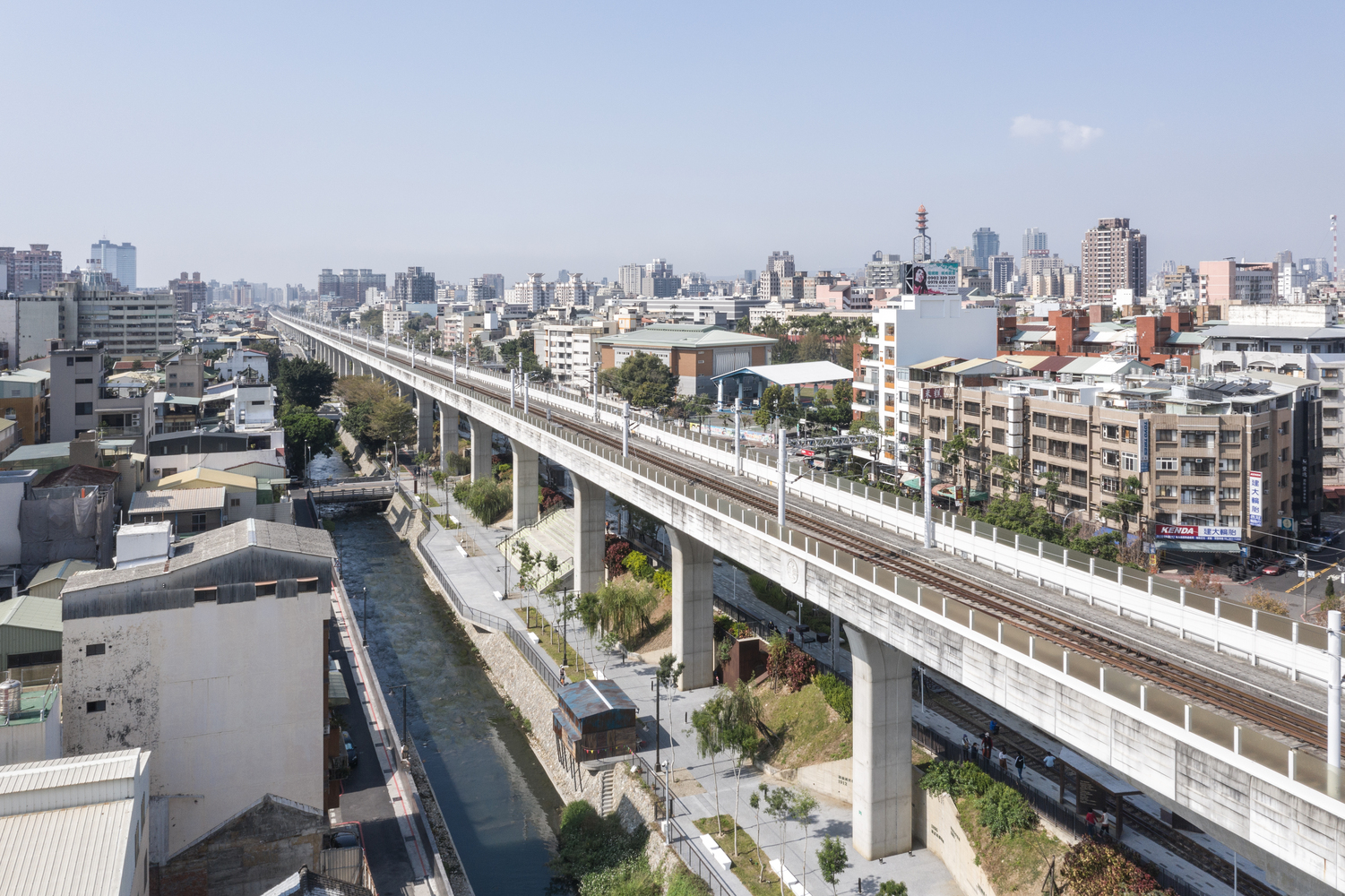
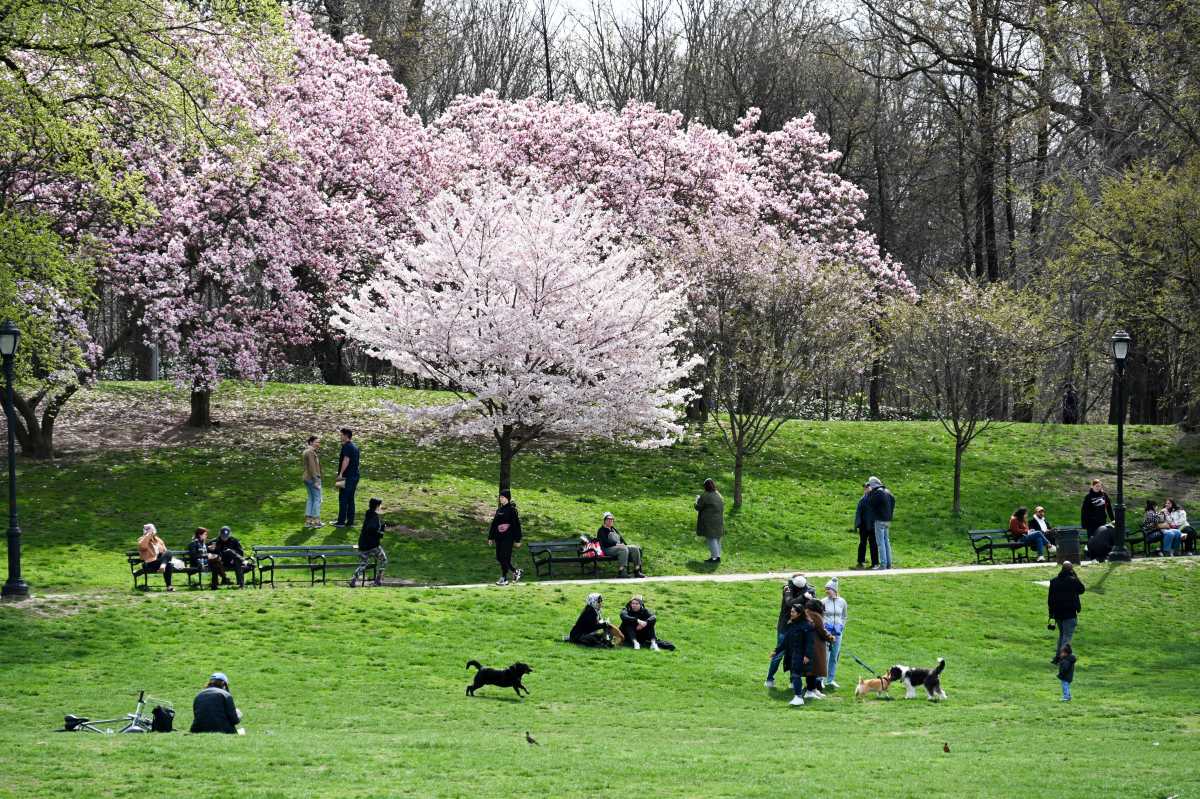
2 days agoCan a nature corridor increase London's biodiversity?
"We started Wild Cities because urban nature must be restored for people, for wildlife, and for the future. A coalition model lets us work at the scale the challenge demands, celebrating communities and helping people and ecosystems become more connected and resilient."
London

Environment
fromwww.theguardian.com
1 day agoFrom Barcelona to Paris, cities thrive with women in charge. It's all about sharing public space | Melissa and Chris Bruntlett
Urbanization is leading to unprecedented crises in cities, necessitating a shift in infrastructure design to prioritize accessibility and sustainability.
fromStreetsblog New York City
2 days agoTuesday's Headlines: Cops Are Doing It Wrong Edition - Streetsblog New York City
A state judge has ruled that every red-light ticket written to a cyclist under the state's vehicle and traffic law since 2019 is bogus. The city legalized the practice of biking through a red light on a pedestrian 'walk' signal, yet NYPD cops have been wrongly writing tickets for cyclists who go through the 'red' on the walk signal.
New York City
fromwww.bbc.com
1 month agoCampaigners celebrate after new town plans dropped
Campaigner Aysha Hawcutt stated that residents were 'not anti-homes', but believed the Adlington plan was 'the wrong proposal in the wrong place'. She expressed pride in the community's resilience against the development threats.
London politics
Miscellaneous
fromArchDaily
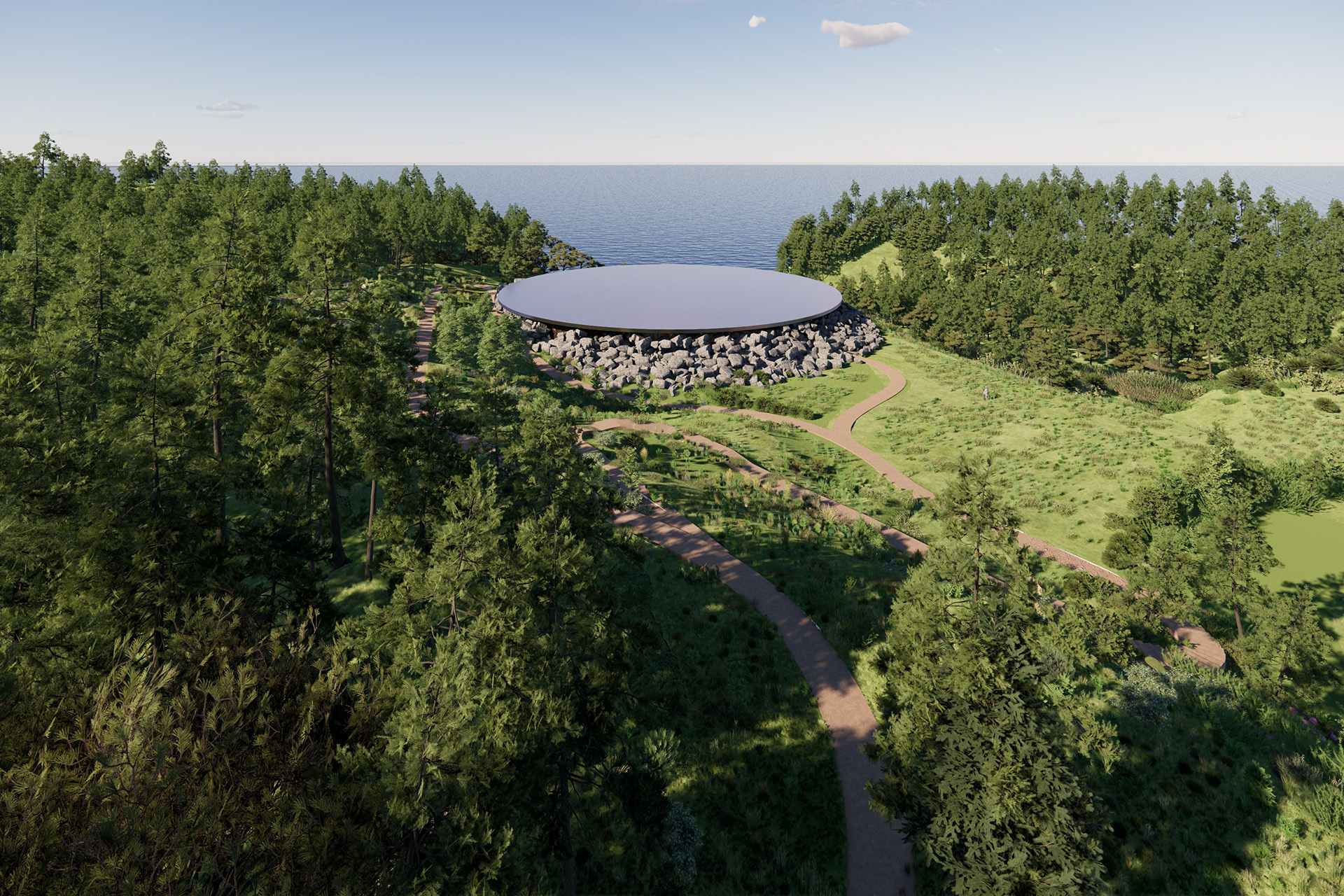
1 month ago7 Unbuilt Masterplans Reimagining Urban Futures Through Ecology and Collective Space
Unbuilt urban masterplans explore adaptive spatial frameworks that recalibrate mobility, ecology, and collective life through climate-responsive design and public space integration across diverse global contexts.
fromArchDaily
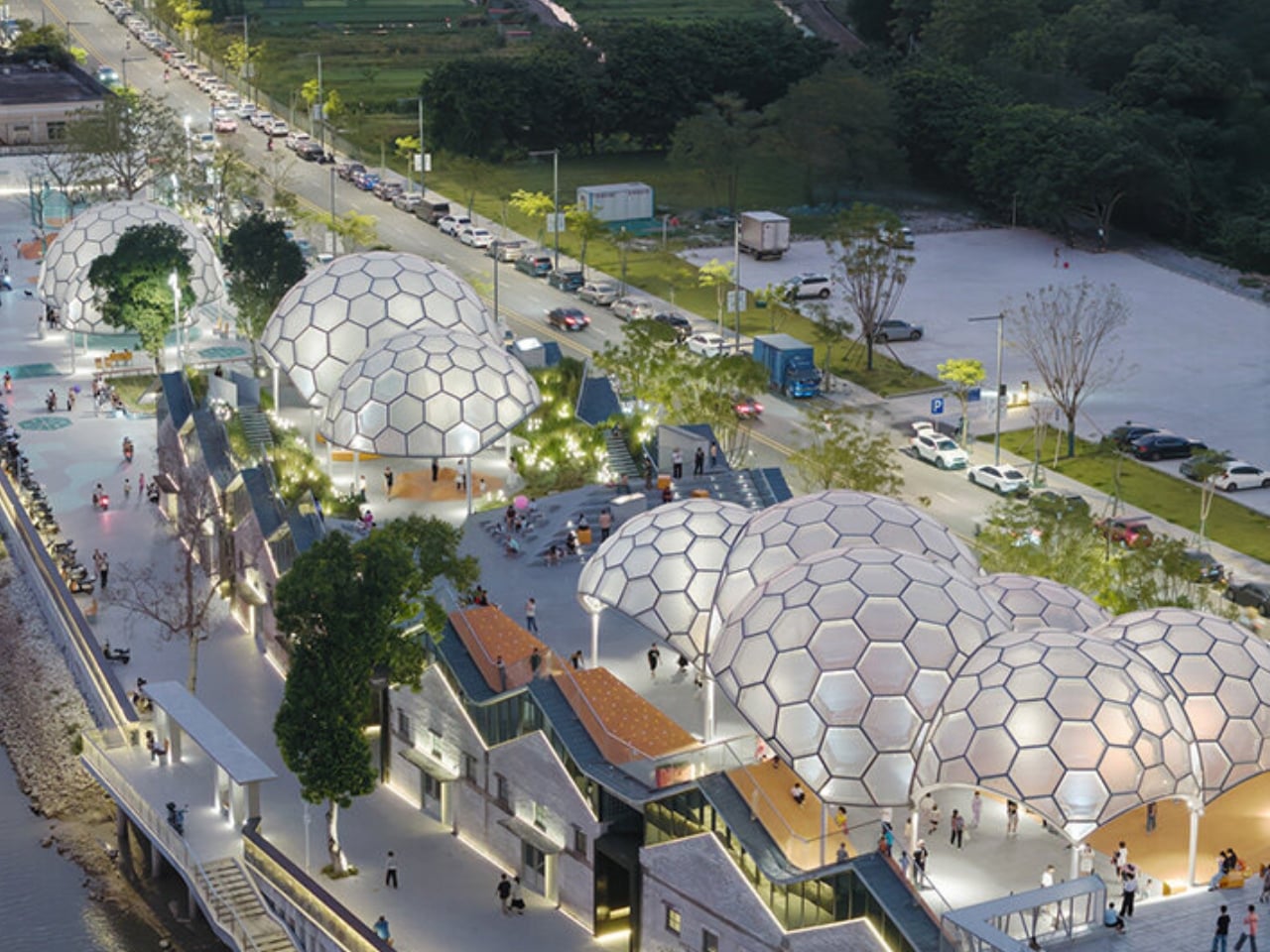
2 months agoShaping Architectural Continuity: 25 Revitalization Projects Across Historic, Industrial, and Natural Sites
Heritage sites constitute complex spatial archives in which architecture, history, and collective memory converge. They encompass a wide spectrum of contexts-from archaeological remains, ancient and historic townscapes, UNESCO-listed landscapes, to early modern civic structures and industrial infrastructures. Yet these environments confront challenges: climate change, urban transformation, disaster, shifting social needs, and the gradual erosion of material fabric. Revitalization and restoration projects respond to these conditions by positioning architectural and spatial practice as an active mediator between preservation and the contemporary topologies.
Renovation
fromBrooklyn Eagle
2 months agoExhibition opens Friday on alternative visions for the Brooklyn Marine Terminal
RED HOOK - A SPECIAL EXHIBITION - "Brooklyn Marine Terminal: Past, Present, & What's Next for Red Hook?" - will hold its opening Friday night from 6 to 8 p.m. at the Compere Collective, 351 Van Brunt St. in Red Hook. The display, hosted by Resilient Red Hook in collaboration with Pratt Institute's School of Architecture, features student work that explores alternative visions for the BMT, bringing academic insight, community priorities and design innovation together.
New York City
fromwww.archdaily.com
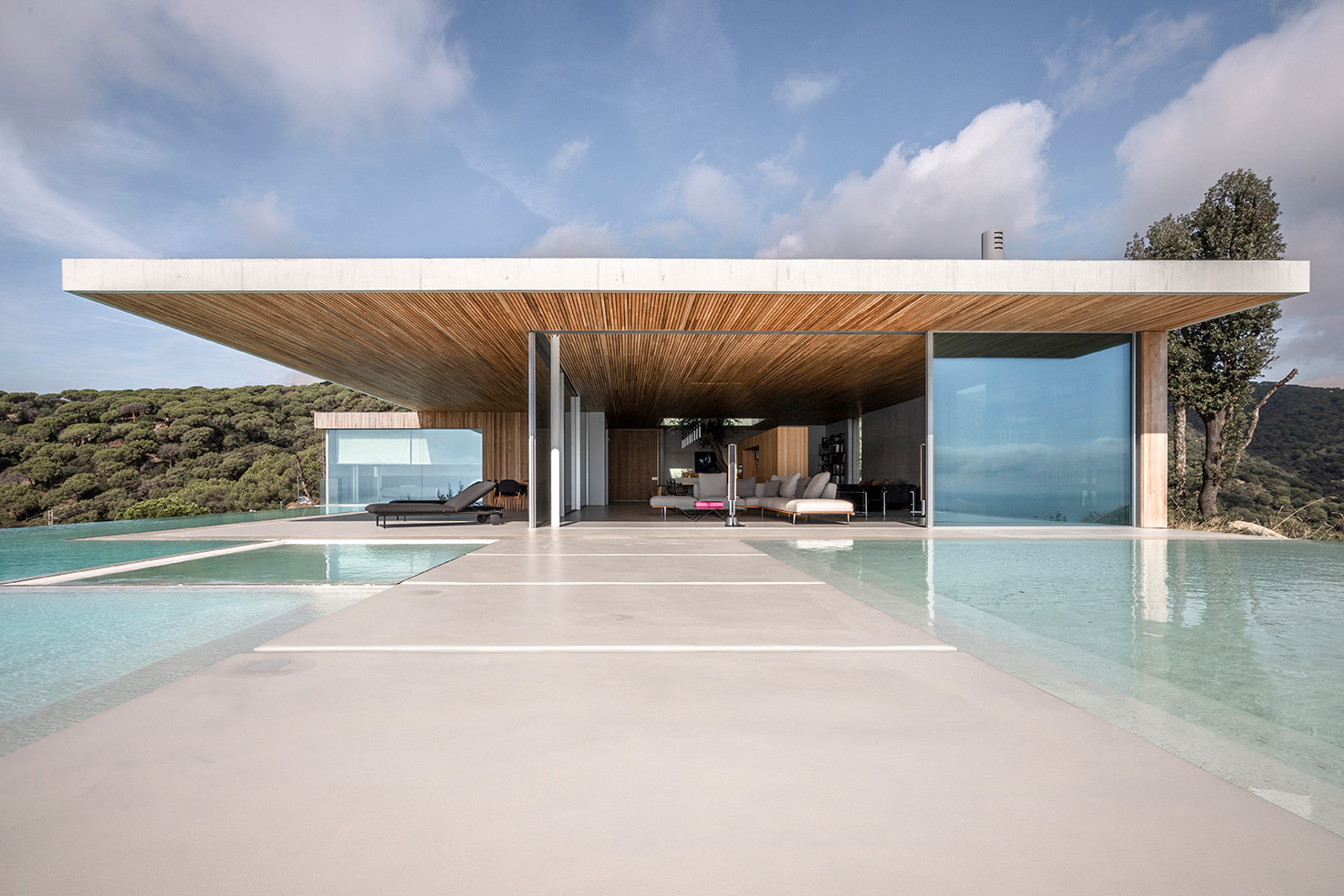
2 months agoWaterfrom Design's Office / Waterfront Design
Studio Millspace Text description provided by the architects. Throughout eight months of design and on-site work, we realized that what truly matters is not the completeness of drawings, but the intuition shaped by being present. Around 70% of the layout was defined early on, while the remaining 30% was deliberately left without a set functionallowing light, behaviors, and moods to participate in forming the space.
Design
[ Load more ]