#trauma-recovery
#trauma-recovery
[ follow ]
fromBig Think
1 week agoThe real reason some people adapt faster than others
[Narrator] Developing tools to overcome trauma. When we began to become confident that we really had identified something real, this resilience trajectory I've talked about, we've identified it in many studies at this point. It's been identified convincingly in the majority and over 100 research studies by other people than myself, lots of other people. So it's very much a real thing.
Mental health
Mental health
fromNews 12 - Default
1 week agoNew trauma center opens in Downtown Brooklyn for formerly incarcerated, survivors of violence
A new Downtown Brooklyn trauma recovery center offers free, trauma-informed services to formerly incarcerated individuals and survivors of violence to reduce recidivism.

Mental health
fromGothamist
2 weeks agoDowntown Brooklyn gets trauma recovery center for formerly incarcerated people, crime survivors
A new Downtown Brooklyn trauma recovery center provides free counseling and services to formerly incarcerated people, crime survivors, low-income residents, and immigrants.
fromwww.bbc.com
1 month agoPhysio backs charity that helped her after accident
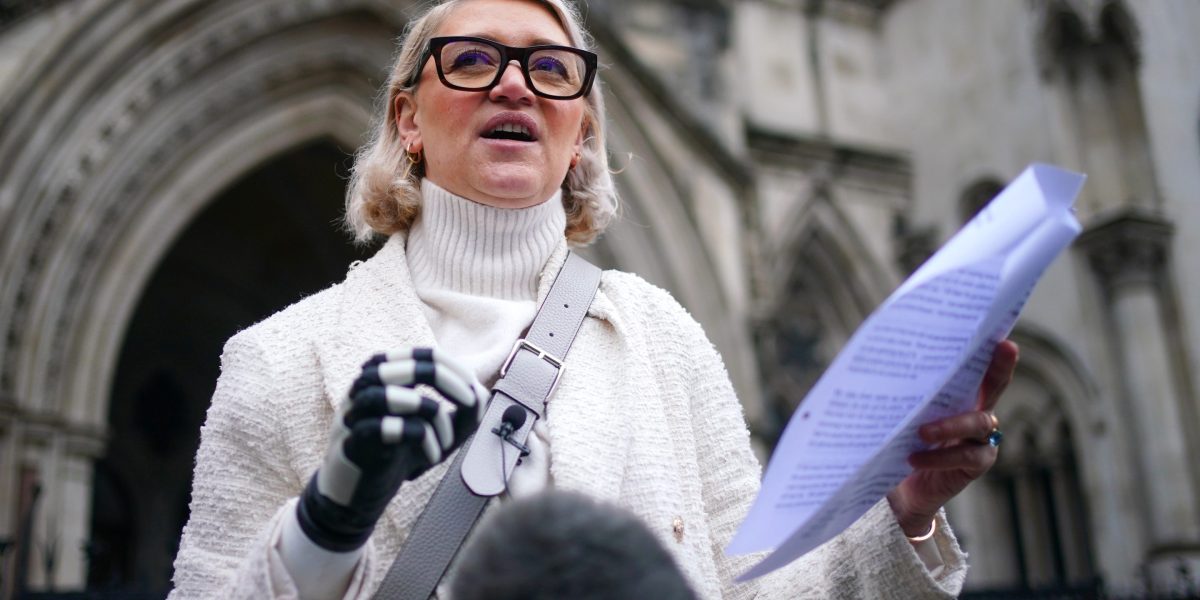
Ms Boobier was supported by Day One Trauma Support, which said it helped 2,400 people last year, with demand still increasing. Day One Trauma Ms Boobier now works as a physiotherapist with people who have had amputations at Charing Cross Hospital in London. She said she had recommended Day One to her patients in Reading but took advantage of its help after the accident.
Fundraising
fromBusiness Insider
1 month agoOur son's family moved in with us a year ago. We were afraid of the toll it would take on our relationships, but it's only made them stronger.
Still, we all felt pretty apprehensive heading into this living arrangement. For one, our lifestyles were quite different: My husband and I had been empty nesters for the past decade, and we had routine sleep and mealtimes. Meanwhile, they were young parents with a small child and a baby on the way - a lot of their schedules depended on seasonal and weekly activities.
Relationships
fromwww.thelocal.fr
1 month agoA decade on, survivors and families still rebuilding after Paris attacks
She was smoking on the terrace with three friends when Islamic State group jihadists gunned down 21 people. The memory of the "terrifying silence" between the two bursts of gunfire still lingers. Eva was hit by multiple bullets on the left side of her body, including her foot. Her leg had to be amputated below the knee. Today, Eva, who wears a prosthesis, says she is doing "pretty well", even if "life isn't easy every day".
France news
fromThe Oaklandside
1 month agoShelter for survivors of violence and trafficking opens at old Lake Merritt Lodge
The old Lake Merritt Lodge on Harrison Street was recently bought by the nonprofit Restorative Pathways, which is planning to use the historic yellow building as a homeless shelter. The 120-person shelter will primarily serve survivors of domestic violence and human trafficking, with floors for parents with children, single adults, and youth ages 18 to 24. Unlike some of the organization's other shelters, which are safe houses with nondisclosed locations, this facility will be "step two or three" for clients who are "stabilized but still"
East Bay (California)
fromPsychology Today
1 month agoThe Curse of Hyper-Independence
People often associate asking for help with weakness or a loss of agency and control. It requires a lot of vulnerability to admit when we're struggling and need a hand. Yet, no one makes it all the way through their life without having needs. At one time or another, hardship finds all of us. Whether it's an illness or injury, financial stress, career troubles, emotional pain, or loneliness, we all struggle. It's what makes us human.
Mental health
fromPsychology Today
1 month agoWhy We Resist Healing Through Writing
Writing can bring old memories to the surface with surprising clarity. You might worry that once you let your suppressed feelings surface, you'll feel overwhelmed by sadness, anger, or anxious thoughts and have no way to "turn it off." But I would encourage you to view it in a different way: writing to heal can show you how heavy a weight you've been carrying for far too long, and how much you deserve to finally set that weight down.
Writing
Relationships
fromwww.mercurynews.com
3 months agoDear Abby: Our father was a terrible person, but I still can't get behind my sister's plan
Siblings disagree about celebrating an abusive father's death; most refuse the proposed death-day party while one sister demands attendance and threatens estrangement.
fromPsychology Today
3 months agoHealing Trauma Through Transformative Writing Practices
As I've shared before, when I was 12, I was playing at a friend's house one hot August afternoon when I was told I was needed at home. As I turned into my long driveway, I saw the lights of an ambulance, a stretcher being loaded into the back. The doors slammed shut. The whirling lights threw red streaks across the oaks as it sped past me out of our driveway. No one noticed the small, pale, immobilized girl standing by the mailbox.
Mental health
fromwww.esquire.com
3 months agoI Survived a Near-Fatal Car Crash, But It Gave Me a Problem with Premature Ejaculation
I was twenty-two when I pulled my car across six lanes of traffic in Delaware. I should've made a right, circled around, and waited for the light. Instead, I aimed straight for the median, a shortcut I'd taken a dozen reckless times before. Headlights came at me fast. Then the slam: metal folding into metal, my body flung sideways, glass exploding. I wasn't wearing a seatbelt. If I had been, I believe the door would have cut me in half.
Relationships
fromPsychology Today
3 months agoThe Extraordinary Courage of a Young Woman
"I had to let myself feel the pain, the grief, the gratitude of being given my life back. The thought of almost dying while doing something I loved was unimaginable...I don't know if fate is real or not, or if there is truth behind destiny, but I do believe that everything that happens in life provides an opportunity."
Mental health
fromwww.mercurynews.com
6 months agoHumiliated, terrified, and deeply unsafe': Ex-East Bay firefighter sentenced to 5 years for child molestation
Despite the support from friends and family, Simon Meyer’s victims are grappling with lifelong trauma after enduring his sexual abuse and secret filming.
Social justice
Online Community Development
fromPsychology Today
6 months agoBefore the Next Natural Disaster, Plan for Resilience
Resilience after a disaster depends on community support, not just personal strength.
Preparation before disasters is vital, but communities can recover post-disaster as well.
Trauma after disasters can be managed and is not a given.
fromBusiness Insider
6 months agoMy partner and I lived long distance for 5 years. It gave me the space I needed.
I'd been commitment-phobic most of my adult life. I had almost gotten married in my early 20s, calling off the wedding just a month before the big day. The experience of breaking up with someone I had thought I'd spend my life with was traumatic, and left me with serious commitment issues.
Relationships
[ Load more ]