#stockpile-shortages
#stockpile-shortages
[ follow ]
#oil-prices #inflation #gas-prices #iran-war #market-volatility #geopolitical-tensions #iran-conflict
#energy-crisis
World politics
fromFortune
3 weeks agoIt's almost inexplicable why oil prices aren't much higher. But here's why markets are 'resilient' so far despite the biggest energy supply shock ever | Fortune
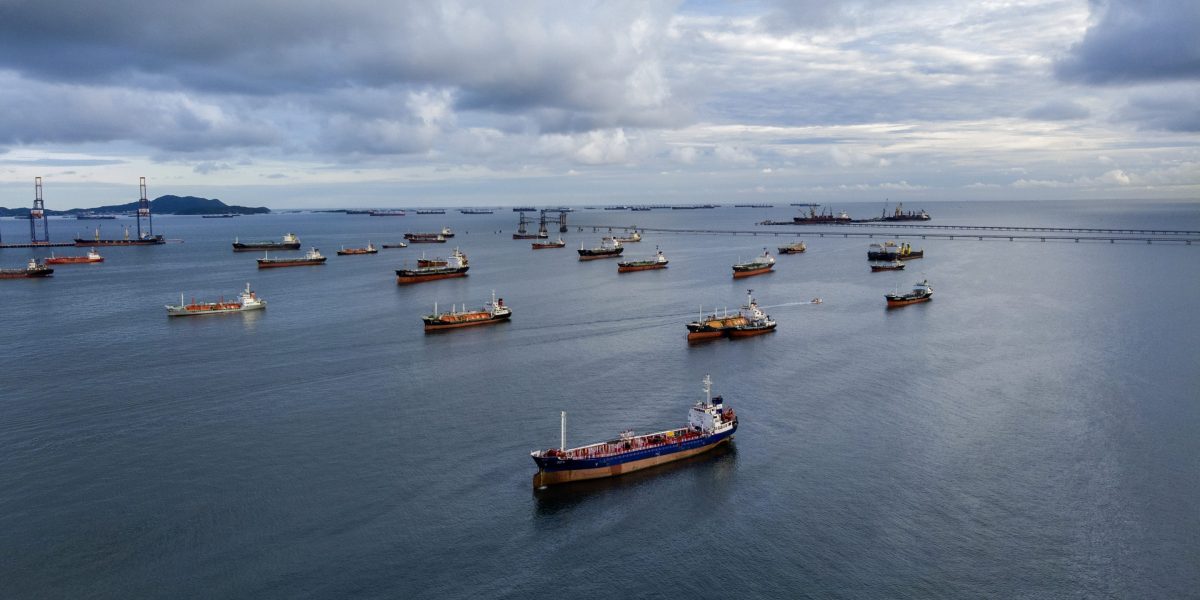
Despite a historic energy supply shock from the Iran war and Strait of Hormuz disruption affecting 20% of global oil and gas flows, oil prices remain below theoretical highs due to reduced Middle Eastern dependence, strategic reserves, and optimism about conflict resolution.


from24/7 Wall St.
17 hours agoThe 3 Numbers You Need to Know About the Economics of War
The economics are hard to ignore. Shooting down a drone with AeroVironment's LOCUST laser system costs less than $10, using just two to five seconds of laser energy. Compare that to the interceptor missiles currently used against Iranian drone swarms, which cost orders of magnitude more and are in short supply across allied arsenals.
Venture
fromLondon Business News | Londonlovesbusiness.com
19 hours agoDrivers face tighter supplies as fuel falls to lowest levels since December 2022 - London Business News | Londonlovesbusiness.com
Petrol stocks averaged 44-47% across the country before the conflict, but fell to between 36-43% in the weeks following February 28, hitting a low of 36% on March 4, 6, and 7.
UK news
#grocery-prices
Berlin food
fromFortune
1 day ago'You can never really catch up': The Iran War is exacerbating already high grocery bills and it will only get worse if the war continues, experts say | Fortune
The ongoing war is causing significant increases in grocery prices, particularly in produce, due to rising fuel and shipping costs.
fromABC7 San Francisco
3 days agoAmazon, UPS, FedEx, USPS add temporary fuel surcharges to offset extra costs
"Transportation costs are a big factor there. Every company that is involved and has logistics and they have to pay for gas, either they have to absorb this cost, or they will charge the third party that will provide this service. I'm not surprised this is happening, because at some point, Amazon will say we cannot absorb all this cost."
Alternative transportation
fromSilicon Canals
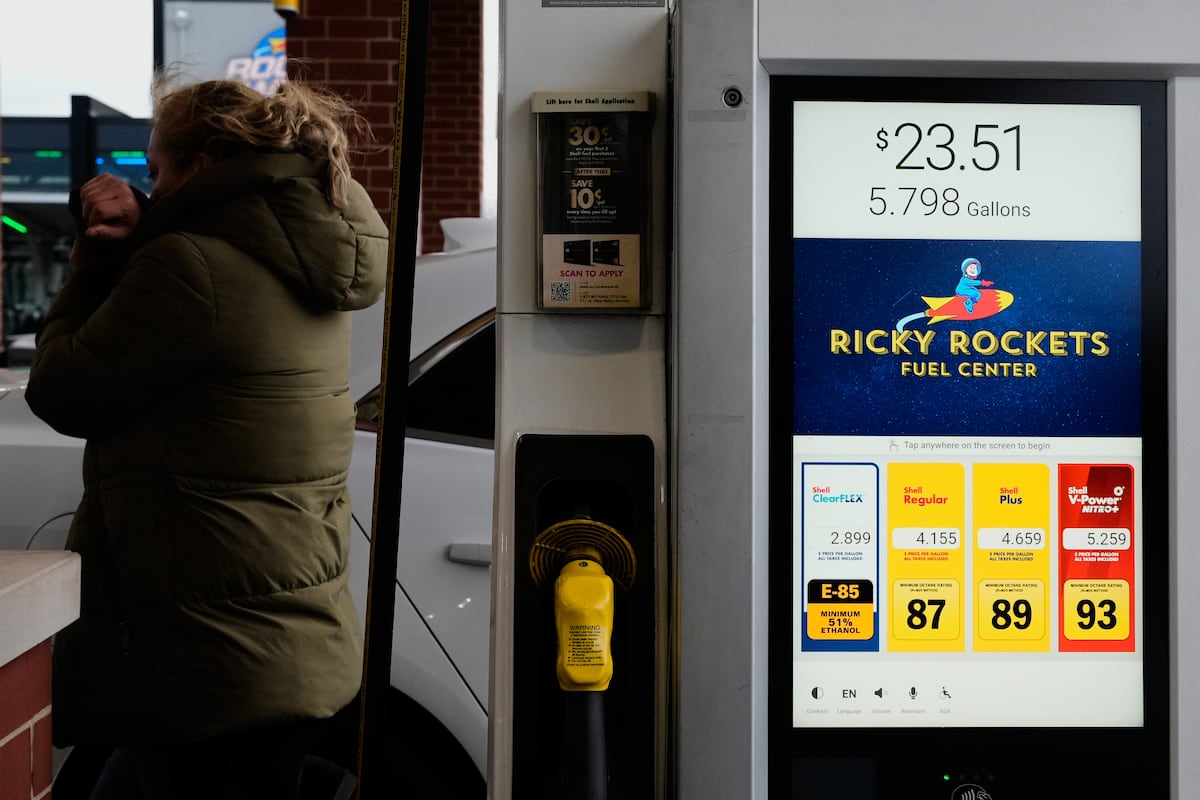
5 days agoThis isn't 2022: Why the Iran oil shock hits a US economy with no SPR buffer and no Fed room - Silicon Canals
The CPI data due this month will be the first hard measure of American consumer prices since the Strait of Hormuz became a conflict zone, and every early signal points to a number that will shock people who stopped paying attention to energy transmission mechanisms after 2022.
US politics
#iran-war
World news
fromFortune
15 hours agoJet fuel supply disruptions are comparable to 9/11 and could take months to replenish even if Hormuz Strait is reopening, airline trade group warns | Fortune
The Iran war has caused a significant spike in oil prices, impacting jet fuel costs and airline operating budgets significantly.

World news
fromFortune
15 hours agoJet fuel supply disruptions are comparable to 9/11 and could take months to replenish even if Hormuz Strait is reopening, airline trade group warns | Fortune
The Iran war has caused a significant spike in oil prices, impacting jet fuel costs and airline operating budgets significantly.
Business
fromLondon Business News | Londonlovesbusiness.com
2 days agoThe future of silver: Where are prices heading? - London Business News | Londonlovesbusiness.com
Silver is becoming a significant hybrid investment due to rising industrial demand and its role in clean energy, despite challenges from monetary policies.
fromwww.mediaite.com
1 week agoBad News All Around!' Fox Business Host Stunned By Highly Inflationary' Prices in Total Bummer of an Economic Analysis
High energy prices are kryptonite for the housing market. Affordability, especially for those first-time home buyers, is now an elusive dream until oil prices come down and interest rates come down.
SF real estate
fromwww.aljazeera.com
14 hours agoIMF warns of looming inflation crisis on back of US-Israel war on Iran
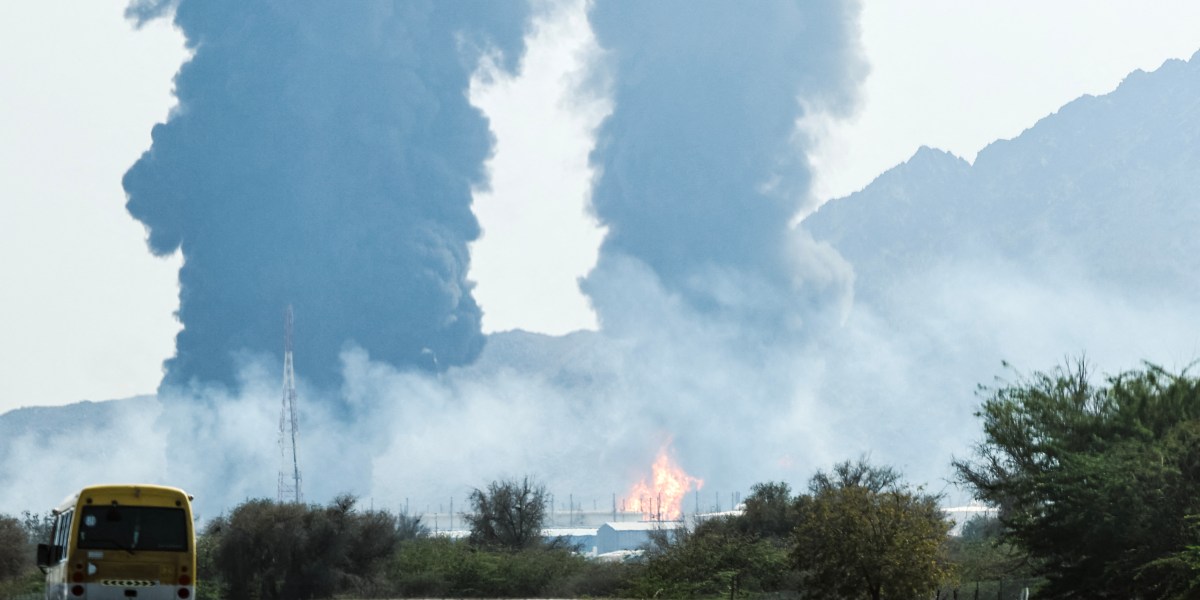
The conflict has driven up the price of oil and natural gas; damaged oil refineries, tanker terminals and other energy infrastructure; disrupted shipments of fertiliser that the world's farmers depend on; and damaged the confidence of businesses and consumers.
World news
Europe news
fromLondon Business News | Londonlovesbusiness.com
2 days agoGlobal inflation stable but energy and food pressures build - London Business News | Londonlovesbusiness.com
Year-on-year inflation across the OECD remained steady at 3.4% in February 2026, with varying trends among member countries.


fromLondon Business News | Londonlovesbusiness.com
3 days agoGeopolitical tensions and energy volatility shape global markets - London Business News | Londonlovesbusiness.com
Major indices, including the Nasdaq Composite, S&P 500, and Dow Jones Industrial Average, all recorded gains, with the Nasdaq delivering its strongest weekly performance since November.
Europe news
fromLondon Business News | Londonlovesbusiness.com
22 hours agoDollar steadies as fragile ceasefire fuels uncertainty ahead of key data - London Business News | Londonlovesbusiness.com
The dollar index held broadly steady on Thursday, as a fragile ceasefire between the US and Iran kept investor sentiment cautious. Reports that oil tanker transit through the Strait of Hormuz remains constrained, alongside some ongoing tensions in the Middle East, have kept markets on edge.
World news
London startup
fromLondon Business News | Londonlovesbusiness.com
1 month agoHow UK manufacturers can build supply chain resilience in uncertain times - London Business News | Londonlovesbusiness.com
Supply chain resilience requires real-time visibility and diversified suppliers across multiple geographic locations to quickly recover from disruptions.
Business intelligence
fromLondon Business News | Londonlovesbusiness.com
1 month agoMcKinsey analysis: $69bn commodity trading industry faces shorter volatility cycles - London Business News | Londonlovesbusiness.com
Commodity markets face shorter volatility cycles, requiring flexible capital allocation and AI integration for competitive advantage in a consolidating trading landscape.
World news
fromLondon Business News | Londonlovesbusiness.com
2 days agoSilver consolidates as geopolitical deadline keeps markets on edge - London Business News | Londonlovesbusiness.com
Silver prices are consolidating as investors remain cautious due to geopolitical uncertainties and inflation concerns.
from24/7 Wall St.
2 weeks agoOil at $100 a Barrel - Here's the ETF You Should Buy for the Coming Economic Shocks
The Consumer Staples Select Sector SPDR Fund (XLP) has spent 27 years being the answer to the question of which part of the market absorbs the blow best during economic downturns, holding 36 positions across essential goods.
Business
Miscellaneous
fromLondon Business News | Londonlovesbusiness.com
1 month agoInventories Surge Sharply Amid Geopolitical Price Risks - London Business News | Londonlovesbusiness.com
Crude oil inventories surged 16.0 million barrels, but geopolitical tensions between the U.S. and Iran dominate pricing, preventing expected price declines despite supply surplus conditions.
World news
fromFortune
4 days agoOil climbs and stock futures drop as fuel shortages spread while Trump makes series of apocalyptic threats against Iran ahead of moving deadline | Fortune
Wall Street reacts to ongoing U.S.-Iran conflict with fluctuating stock futures and rising oil prices amid threats from President Trump.
Miscellaneous
fromLondon Business News | Londonlovesbusiness.com
2 months agoCommodities on the rise, as investors, companies and countries compete for strategic materials - London Business News | Londonlovesbusiness.com
European stocks hit record highs as softer US inflation and rising commodity-driven gains shift sentiment toward European and Asian equities.
fromFortune
2 months agoThe future depends on copper, but a coming shortage makes it a 'systemic risk' to the economy and a strategic flashpoint, S&P Global warns | Fortune
"The result will be a shortfall of 10 million tons that represents a "systemic risk for global industries, technological advancement and economic growth," the report said."
Business
[ Load more ]