#sleep-and-diet
#sleep-and-diet
[ follow ]
#sleep #mental-health #sleep-quality #health #sleep-hygiene #nutrition #circadian-rhythm #psychology #productivity
#morning-routine
Psychology
fromSilicon Canals
1 day agoNobody talks about why a small morning routine can quietly change a whole life in three months, and it isn't the cold plunge or the journaling or the protein, it's that for the first time in years you're giving yourself one hour where nobody is asking you to be anyone else - Silicon Canals
Morning routines provide a rare hour of autonomy, allowing individuals to reclaim their sense of self away from external demands.

Psychology
fromSilicon Canals
1 day agoNobody talks about why a small morning routine can quietly change a whole life in three months, and it isn't the cold plunge or the journaling or the protein, it's that for the first time in years you're giving yourself one hour where nobody is asking you to be anyone else - Silicon Canals
Morning routines provide a rare hour of autonomy, allowing individuals to reclaim their sense of self away from external demands.
Mindfulness
fromSilicon Canals
3 days agoPsychology says the most disciplined morning habit isn't waking up early, meditating, or cold plunging, it's the specific discipline of not touching your phone until you've had at least one quiet conversation with your own mind - Silicon Canals
Avoid using your phone immediately after waking to foster mental clarity and enhance the effectiveness of other morning practices.

#dreams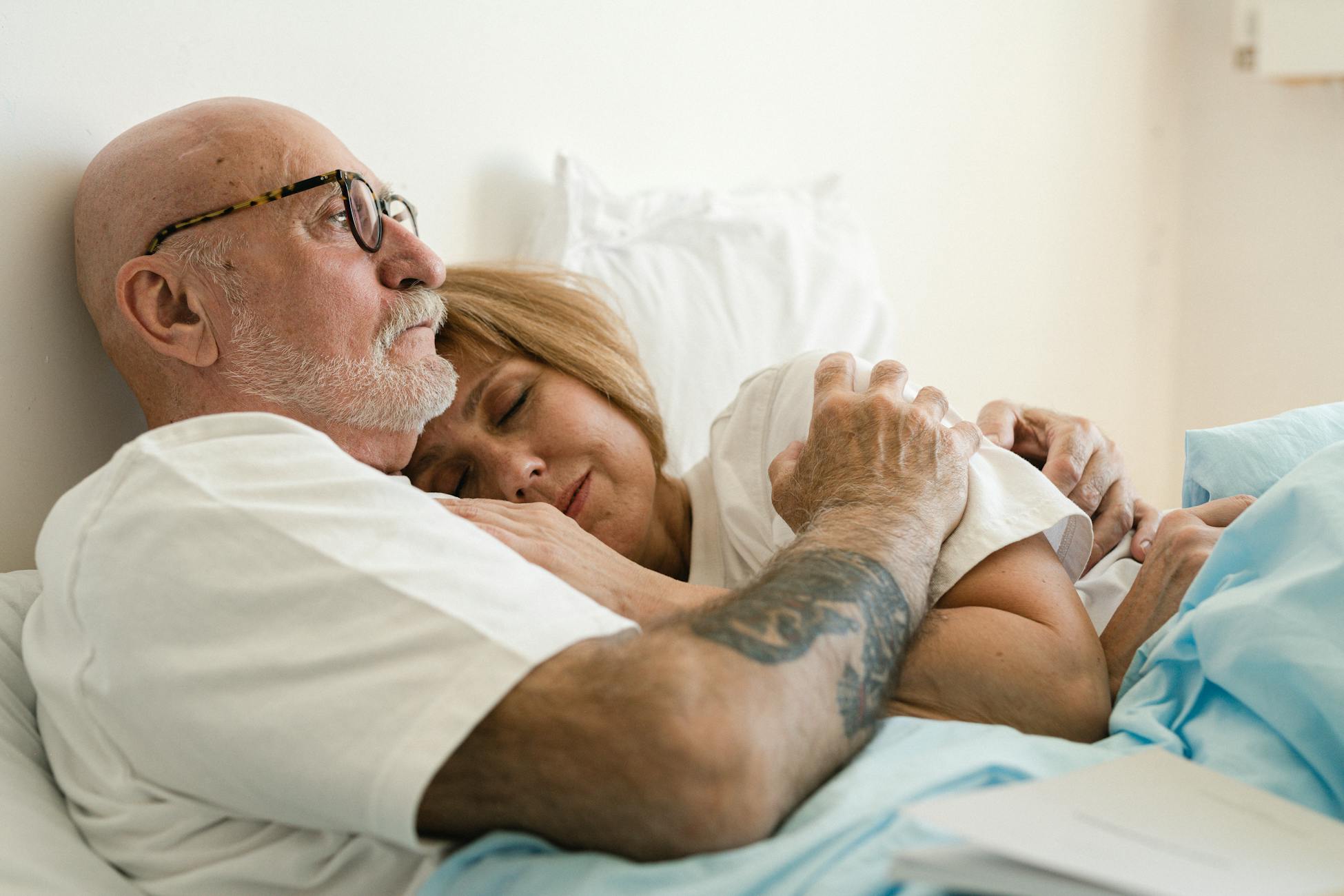
fromSilicon Canals
2 days agoPsychology
Behavioral scientists found that major life transitions in people over 60 - retirement, children leaving, the loss of a parent - produce a measurable increase in dream vividness and emotional intensity that most people dismiss as strange and that psychology says is actually the mind doing in sleep what it hasn't been given space to do while awake - Silicon Canals
Psychology
fromSilicon Canals
2 days agoBehavioral scientists found that major life transitions in people over 60 - retirement, children leaving, the loss of a parent - produce a measurable increase in dream vividness and emotional intensity that most people dismiss as strange and that psychology says is actually the mind doing in sleep what it hasn't been given space to do while awake - Silicon Canals
Major life transitions after 60 significantly increase dream vividness, aiding emotional regulation and memory consolidation.


fromBusiness Insider
2 months agoI used to be proud of only sleeping 3 hours because I worked so much. Now I realize health is freedom, not wealth.
I used to brag about how little sleep I got. It felt like a superpower: I could sleep just three or four hours a night, and still operate at a very high level. That helped me get ahead early on. As a teen, I bused tables and sold firewood. By the time I was 19, I bought a house (which was possible because it was the subprime mortgage days). Having a mortgage gave me real responsibility at a young age.
Real estate
Public health
fromwww.scientificamerican.com
2 months agoLike staying up late? You may be putting yourself at risk of heart problems
Habitual evening chronotypes have about a 16% higher risk of heart attack or stroke and exhibit more cardiovascular-risk behaviors like smoking, poor diet, and irregular sleep.
Mental health
fromScary Mommy
1 month agoHere's Why Your Brain Hits "GO" On Every Anxious Thought Right When You Want To Sleep
Nighttime anxiety spikes are normal and caused by factors like blood sugar dysregulation, reduced distractions, and the brain's protective mechanisms becoming hyperactive in darkness and quiet.

fromPsychology Today
2 months agoIt's Not Just What You Eat, but When You Eat That Matters
Rather than simply extending the fasting window or cutting more calories, the intervention group was simply asked to finish eating at least three hours before their usual bedtime. That meant no snacking while watching TV after dinner and no "just one more bite" at 10 p.m. (my personal downfall). This relatively simple intervention ensured that the overnight fast overlapped with the body's natural sleep-wake rhythm.
Medicine
fromBusiness Insider
2 months agoMany people sleep worse in winter. Here's what experts want you to know.
It's normal to feel sluggish during the winter. Cold temperatures and fewer hours of sunlight can mean less time outdoors and more time staring at our screens. For some people, these cold-weather habits may contribute to a sleep disruption, known as winter insomnia. This isn't a clinical condition, but it might begin or worsen during the winter months.
Mental health
Wellness
fromwww.theguardian.com
2 months agoThe most rejuvenating sleep of my life': 12 products our writers rely on for rest each night
Well-designed sleep products—comfortable earplugs, pillows, masks, white-noise machines, and wearable blankets—can significantly improve sleep quality, especially for travelers and light sleepers.
fromPsychology Today
1 month agoWhen Sleep Banking May Be A Viable Strategy
Sleep banking is essentially extending your normal sleep hours in the nights leading up to a known period of sleep deprivation. On the face of it, it appears unlikely banking sleep could counter the decreased alertness and other cognitive decrements that we experience when deprived of sleep, or stop that strong sensation we get when our body wants sleep.
Health
fromTasting Table
2 months ago9 Bedtime Snacks Nutritionists Actually Recommend - Tasting Table
Late-night snacking has had a bad rap for a long time. When pop culture takes a stab at this (very) human thing, it often portrays the scene as pernicious or, at best, distasteful. Combine that with regular condemnation by diet culture and accusatory media headlines that frame after-dinner eating as a moral failing, and it's easy to see why most of us want to steer clear.
Wellness
Health
fromwww.pressdemocrat.com
1 month agoBay Area sleep expert gives tips to prepare for Daylight Saving Time
Daylight Saving Time exacerbates chronic sleep deprivation affecting 85 million Americans, increasing motor vehicle accidents by 6% and worsening health outcomes including heart disease, stroke, and depression.
[ Load more ]