Books
fromPsychology Today
5 hours agoDo You See Yourself in a Story?
Comic books have evolved into a serious medium for exploring trauma and psychological depth, exemplified by works like Maus.
"There's no case where those things aren't critical, but with a project like this, there is no 'fix it in post' because it just can't work like that. This is a show that has about 3,000 VFX shots, and we were working with up to five different VFX vendors at times."
To deny one's own experiences is to put a lie into the lips of one's own life. It is no less than a denial of the soul. The concept I stick to - my core principle - is simple: I write in plain English, and only when I actually have something to say.
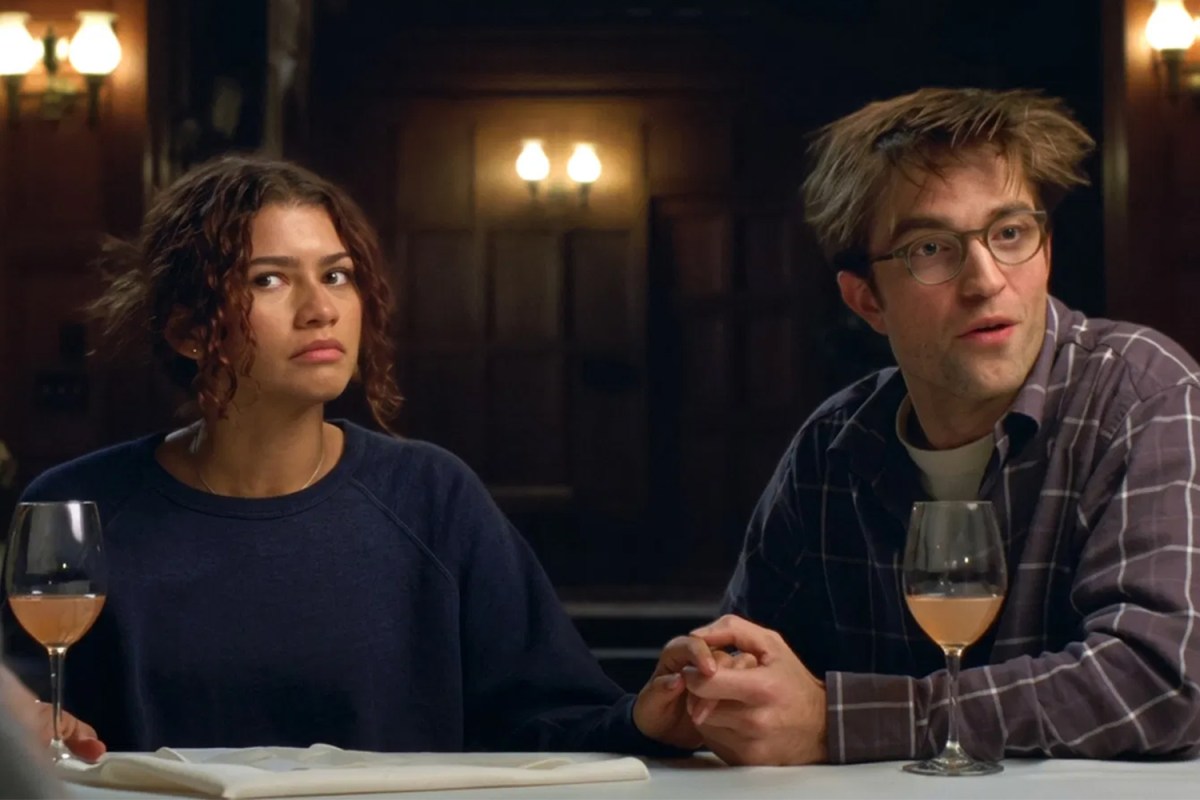
During a private tasting dinner, a game prompts guests to confess their worst actions, revealing hidden insecurities and creating tension between Charlie and Emma.
The app is incredibly simple. I made use of the wonderful SimpleCSS for my design and then made use of the TMDB API. The TMDB APIs are pretty easy to use, but finding out how to get this information did take a bit of digging.
The new chapter will include not only a game but a novel and music, the company said in a press release. The developer revealed the new IP via a live-action teaser, with an actor reading lines from William Blake's poem, The Sick Rose. A painting then fell from the wall, and the actor then turned over an hourglass with red sand, with a tagline stating "The door won't stay closed."
Memento provides a Rosetta Stone to decode deeper meaning within his larger-scale efforts, offering a window into the complex paradoxes that add thematic weight to his intricately plotted stories. Nolan's films often jump from a familiar genre archetype. In Memento, Guy Pearce's Leonard Shelby recalls the weary antiheroes of film noir, but his filmography is full of familiar figures ranging from superheroes to great men of history.
If there's anything I miss in pop culture, it's the presence of ordinary movies. I don't mean blockbusters like Avatar or cultural events like Barbenheimer or Oscar contenders like One Battle After Another. I'm talking about the routine, well-made entertainments that, for nearly a century, used to open in theaters every week. You'd go see them because the story sounded good or you liked the stars or you just wanted to enjoy something as part of an audience.
The first thing you notice about undertone is how quiet it is; not just in its audio mix, but in how it's shot - primarily steady wide shots that slowly pan across empty rooms, allowing your eyes to frantically scan for something amiss. It's an understated form of filmmaking that allows for the movie's scares to hit all that much harder.
What this means for the future of , once pitched as the first building block in an ambitious open-world metaverse , is currently unclear. But apparently the mission, the shooter's highest-profile bit of upcoming content, is canceled. Build a Rocket Boy and IO Interactive didn't immediately respond to requests for comment. The most surprising part of Insider Gaming 's report is that Build a Rocket Boy was apparently the one pushing to end the ill-fated partnership, a decision influenced by the 's "desire to bring its publishing in-house and gain more control over its future."
We've all been there. Someone starts telling a story, and within seconds, your mind starts wandering. Maybe you pull out your phone, suddenly remember an urgent email, or find yourself mentally reorganizing your weekend plans. The storyteller doesn't notice. They keep going, completely unaware that they've lost their audience. After interviewing over 200 people for various articles, I've noticed patterns in how people communicate their experiences. Some captivate you from the first word, while others lose you before they've even gotten to the point.
When the people who are after me get here, they'll arrest me and put me on trial, or they'll disappear me to some black site. Or they won't bother with any of that and they'll just kill me. All of these seem like plausible outcomes, but in the novel's prologue, the narrator seems much more confident of her success: I am a fucking genius, a gorgeous fucking genius, and the only thing left to do is sit down and write.
A writer is a kind of magician. Their job is to create living, three-dimensional people out of the ordinary stuff of ink and paper. This is no easy task, because readers can't literally hear, touch, or observe a character. Everything that defines a human being in real life-the physical space they occupy, or how they smell, feel, and sound-is stripped away, replaced by description. But authors have one major, mystical advantage: They can show you what's happening inside of someone's brain.
10 Cloverfield Lane Mary Elizabeth Winstead, John Goodman and John Gallagher Jr are locked in an underground bunker for the majority of this left-field sequel to Cloverfield, with thrilling results. In the film's final throes, Winstead's character exits the bunker, and finds that her captor was telling the truth about an alien invasion above - a twist that completely and ruinously dissipates the hard-earned tension that came before.
Though Tattle TV - a UK-based streaming platform created by filmmakers Philip McGoldrick and Marina Elderton - features a reality dating series about dog-owners and a modern drama about a female MMA fighter, the company's latest debut is a vertically-oriented edit of Alfred Hitchcock's silent film The Lodger: A Story of the London Fog. Similar to other microdrama apps, Tattle TV splits all of its content into short segments that can be purchased individually using an in-app currency (Tattle Coins).
In all the dystopian visions of the future that the movies have trotted out over the last few decades, the one that sticks the most, surprisingly, is WALL-E. That's not just because of the chastening sight of an over-polluted Earth or those sedentary humans glued to their screens. It's because those quite plausible possibilities mean something different in a kids movie. It's their future, after all.