#passive-smoking
#passive-smoking
[ follow ]
#public-health #air-pollution #public-health-policy #environmental-justice #smoke-free-generation #vaping
fromwww.scientificamerican.com
8 hours agoA smoking ban for people born after 2008 may be on the cusp of becoming law in the U.K. Here's what to know
The U.K. government aims to create a smoke-free generation by gradually ending the sale of tobacco products across the country and breaking the cycle of addiction and disadvantage.
Public health

fromBusiness Matters
1 week agoEU must take bold tobacco control stand amid industry's latest influence campaign
The EESC warns against 'excessive increases' on the grounds that they could fuel illicit trade, thereby recycling one of the tobacco industry's oldest false narratives arguments against stronger regulation.
Europe politics
fromwww.aljazeera.com
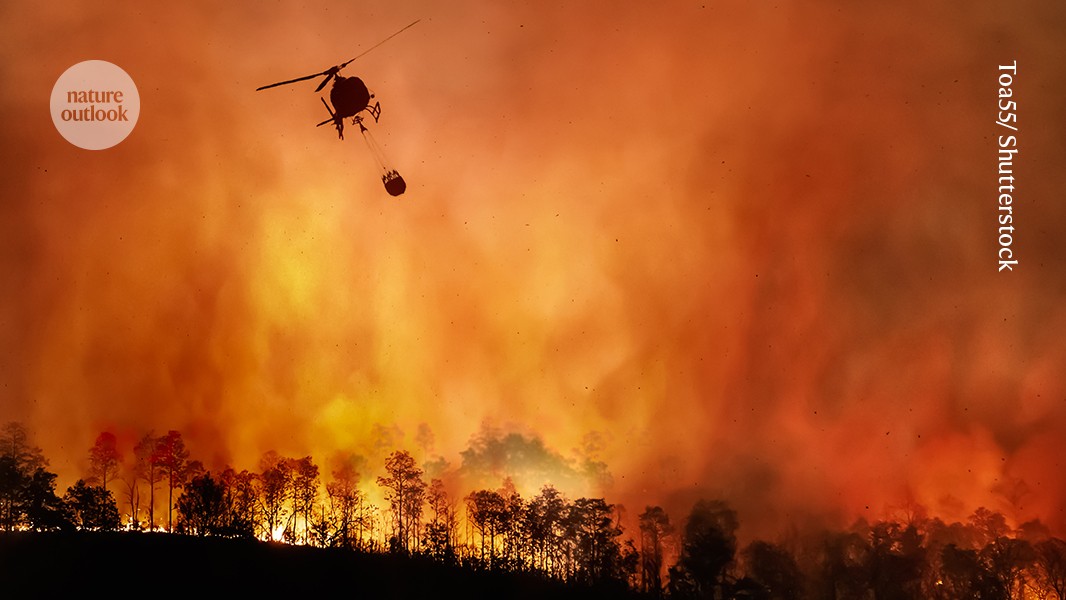
13 hours agoUK bill bans anyone born after 2008 from ever buying tobacco
This reform will save lives, ease pressure on the NHS, and build a healthier Britain. Children in the UK will be part of the first smoke-free generation, protected from a lifetime of addiction and harm.
Public health


#vaping
-(3).png?trim=0,150,0,150&width=1200&height=800&crop=1200:800)
fromIrish Independent
2 months agoPublic health
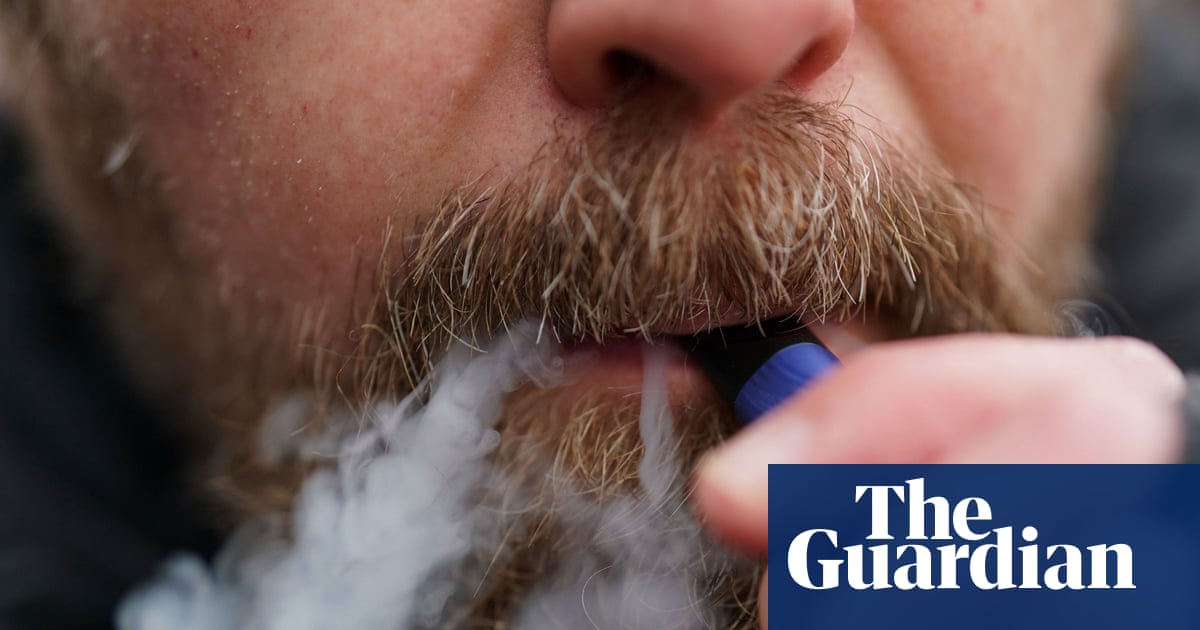
Confirmation Pledge taken by young teens updated to include explicit references to vaping and cigarettes
The Church updated the Confirmation Pledge to include abstaining from smoking and vaping until 18 and calls for honest engagement on addiction and its social drivers.

Health
fromwww.theguardian.com
1 month agoReduced physical activity due to global heating will lead to rise in health issues, study says
Rising temperatures reduce physical activity globally, with each month above 27.8°C increasing inactivity by 1.5 percentage points, projecting half a million additional premature deaths annually by 2050.
Health
fromwww.theguardian.com
1 month agoWhy is smoking so addictive and what are the best ways to give up?
Cigarettes are extremely addictive because nicotine rapidly triggers dopamine release in the brain within 10-20 seconds, creating immediate pleasure that reinforces addiction despite well-known health risks.
fromTODAY.com
2 weeks agoThese Are the 2 Most Dangerous Home Cleaning Products to Have Around Kids, New Research Shows
"What surprised me is we are still seeing so many visits to emergency departments associated with very common household cleaning products," Lara McKenzie, Ph.D., stated, emphasizing the ongoing issue despite safety advancements.
Public health
Mental health
fromSilicon Canals
2 months agoThe overlooked condition that's as deadly as smoking 15 cigarettes a day - Silicon Canals
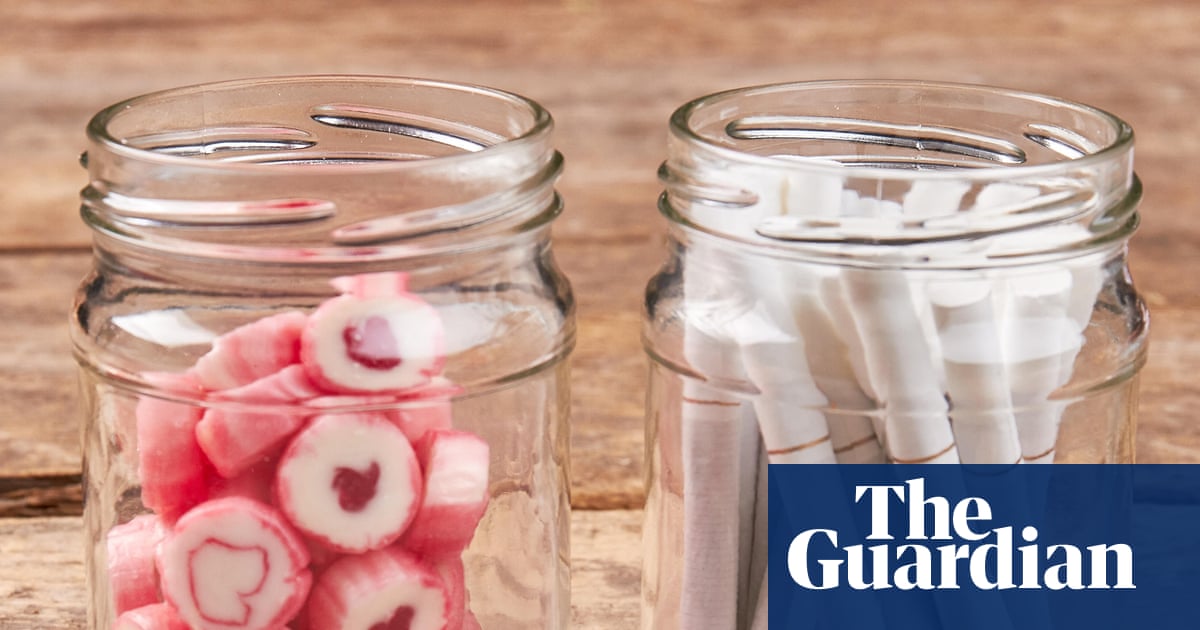
Chronic social isolation increases mortality and functional decline comparable to smoking 15 cigarettes a day, creating a widespread, underrecognized public-health loneliness epidemic.
Cancer
fromwww.theguardian.com
1 month agoQuarter of healthy years lost to breast cancer are due to lifestyle factors, research finds
Over 25% of healthy years lost to breast cancer result from lifestyle factors including red meat consumption and smoking, with projections showing global cases rising from 2.3 million to 3.5 million by 2050.
Public health
fromwww.theguardian.com
1 month agoTrump policies set to increase rates of lung disease and death, study finds
Trump administration policies across healthcare, environment, workplace, and vaccines are projected to significantly increase lung disease rates and premature deaths among Americans.
fromNature
2 months agoExposome studies can improve lung health
The conventional approach to evaluating the impact of air pollution is to focus on a single exposure during a fixed period of time. But evidence suggests that contaminants work together, magnifying the damage to people's lungs. Conventional studies fail to probe synergistic effects. They also ignore the cumulative effects of lifelong exposures to pollutants, known as the exposome. Researchers need to shift away from single-pollutant studies and towards those involving a broad range of exposures.
Public health
fromwww.independent.co.uk
2 months agoTop preventable cancer causes in UK revealed and how to cut your risk
Smoking, being overweight, and exposure to ultraviolet radiation from the sun and sunbeds are the top preventable causes of cancer, experts have warned. Researchers from the World Health Organisation (WHO) and its International Agency for Research on Cancer (IARC) analysed 30 risk factors that cause cancer, such as smoking, drinking alcohol and air pollution. Using data from across 185 countries, they estimate that about 7.1 million of the 18.7 million new cancer cases diagnosed globally in 2022 were preventable.
Public health
fromBusiness Insider
1 month agoI started smoking when I was a teen and quit 20 times. I still love the occasional cigarette.
The day I turned 16, I picked up two things - my driver's license and a $1.98 pack of Kool 100 Milds from a gas station I knew would sell to me. It was 1995, and I still remember the freedom and rebellion alive in my heart while my hair blew in the wind. From the window of her mom's LeBaron convertible, my friend and I flicked our cigarettes and seemingly our adolescent troubles with them.
Public health
fromwww.theguardian.com
2 months agoWood burners may treble children's exposure to pollution in homes, study finds
One thing that stood out was the home environment. This was the largest contributor to children's daily particle pollution exposure more than school or commuting. This was mainly due to indoor sources such as wood burning and indoor smoking. Short peaks in particle pollution were linked to home cooking and secondhand tobacco smoke. Home heating with a fire or stove was linked to longer exposures. In some cases, these persisted overnight in children's bedrooms as fires remained lit or smouldering with poor ventilation.
Public health
fromwww.independent.co.uk
2 months agoSmoke-free law could see use drop below 5% in young people
A law banning the sale of tobacco to anyone born after 2009 could see smoking in young people drop below 5 per cent decades earlier than expected. The government plans to introduce the smoke-free generation" law as part of the Tobacco and Vapes Bill, which would progressively raise the age of sale so that anyone born in 2009 or later can never legally be sold tobacco, starting from 2027.
Public health

fromwww.bbc.com
2 months agoVaping in cars with children could be banned under new plans
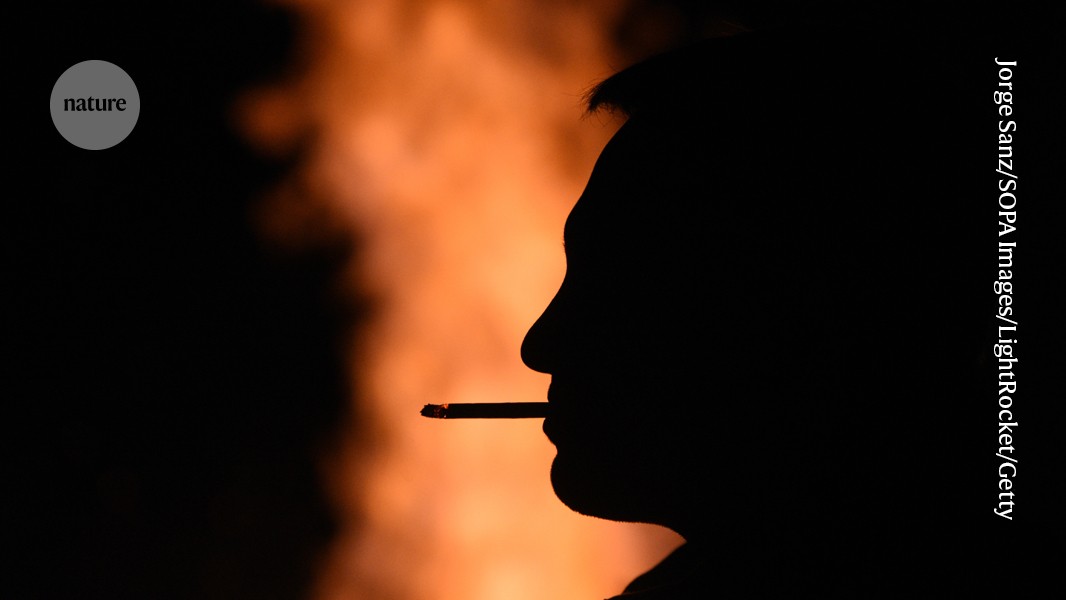
"Second-hand smoke increases the risk of heart disease and lung cancer and we want to protect children and the sick from harm," he said. "Prevention is better than cure, so this government is taking pressure off the NHS and building a healthier Britain where everyone lives well for longer."
Public health
Public health
fromBusiness Matters
2 months agoWorkplace Smoking Rules and Productivity: Why Businesses Are Seeing a Shift to Nicotine Pouches
Workplace break rules now balance productivity, fairness, and external property and client constraints, prompting micro-breaks and smoke-free nicotine options to fit tighter schedules.
Public health
fromwww.theguardian.com
2 months agoWood burning pollution leads to 8,600 premature US deaths a year, study finds
Residential wood burning causes an estimated 8,600 premature US deaths annually and contributes about 21% of wintertime particulate pollution despite only 10% of homes burning wood.
fromwww.dw.com
2 months agoHow mercury from coal plants can cost lives
A potent neurotoxin capable of causing lifelong damage to the lungs, brain, skin and other organs, mercury is strictly regulated worldwide. Children, in particular, can suffer severe developmental impairment when exposed. A trace element that occurs naturally in rocks such as limestone, as well as in coal and crude oil, mercury remains locked underground for millions of years, largely entering the ecological cycle through human activity.
Public health
Public health
fromTruthout
1 month agoPublic Health Agencies Struggle to Keep Up With Rising Tuberculosis Cases
Tuberculosis cases and containment costs are rising nationwide, with Johnson County, Iowa experiencing a tripling of latent infections and costs surging from $17,000 to $65,000 annually, while state funding for contact tracing has been withdrawn.
[ Load more ]